






What's Happening?
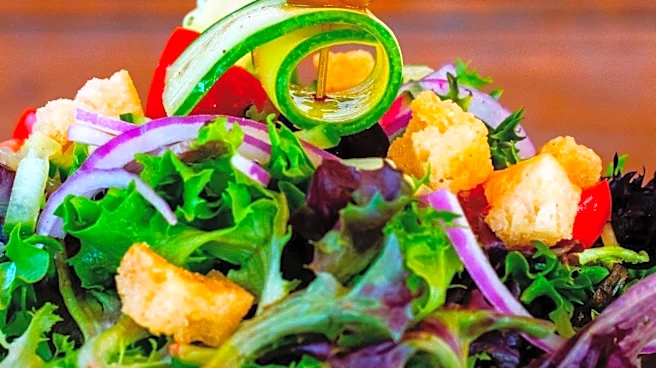
Salad and Go, a fast-casual restaurant chain known for its salads and wraps, has filed for Chapter 11 bankruptcy and announced the closure of all its locations. The Arizona-based company, which had expanded rapidly in recent years, cited sustained pressure
on consumer demand, strategic growth challenges, and rising costs as reasons for its financial difficulties. Despite not being implicated, a Cyclospora outbreak in July further weakened industry confidence, compounding the company's challenges. The chain, which once had over 60 stores, was one of the fastest-growing concepts in the country by 2023. However, after a series of leadership changes and strategic missteps, the company was unable to sustain its operations.
Why It's Important?
The closure of Salad and Go highlights the volatility in the fast-casual dining sector, particularly for businesses that expand rapidly without a sustainable growth strategy. The company's downfall underscores the importance of strategic planning and adaptability in the face of market pressures and unforeseen challenges, such as health scares that can impact consumer confidence. This development may serve as a cautionary tale for other fast-casual chains aiming for rapid expansion, emphasizing the need for robust financial planning and risk management. The closure also affects employees and loyal customers who relied on the chain for affordable, healthy dining options.
What's Next?
With the closure of all locations, Salad and Go's remaining assets will likely be liquidated to pay off creditors. The company's bankruptcy filing may lead to a restructuring or sale of its assets, depending on the decisions made during the bankruptcy proceedings. Former employees will need to seek new employment opportunities, and the market may see a gap in affordable healthy dining options, potentially opening opportunities for competitors to fill the void. The industry will be watching closely to see how other fast-casual chains respond to similar market pressures.