


What's Happening?
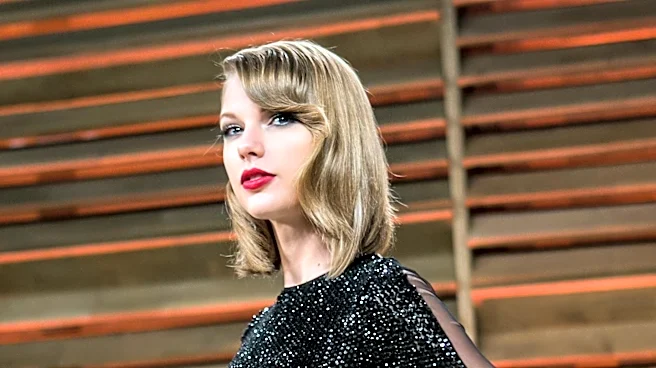
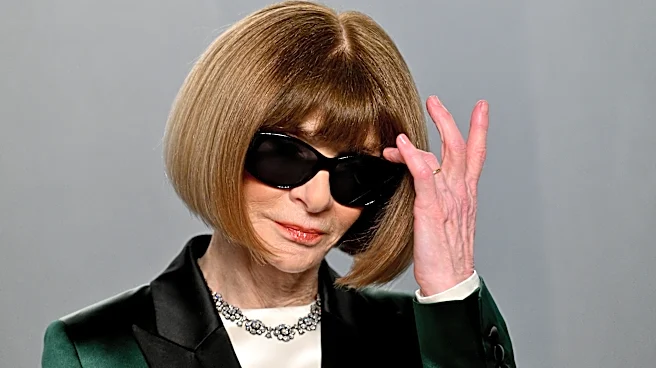
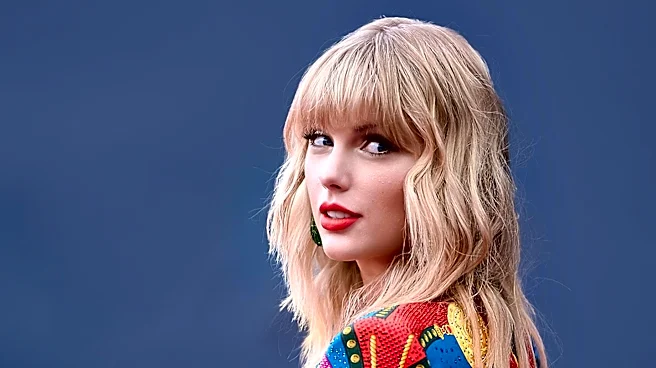
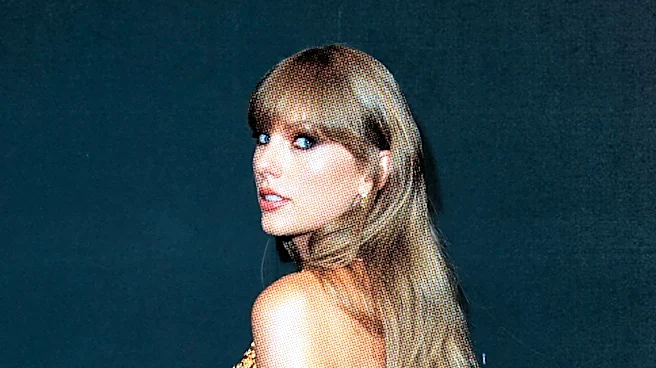
Anna Wintour, Condé Nast's chief content officer and longtime editor-in-chief of Vogue, is reportedly unhappy with Vanity Fair's recent 'aggressive' profile of Taylor Swift. The article, titled 'The Mastermind' and written by May Jeong, has generated
significant discussion and criticism within the entertainment industry and among fans. Sources indicate that Wintour, who is slated to step down from her Vogue editor-in-chief role in 2025, wishes to distance herself from the piece. A Vogue editor, Chloé Malle, has expressed concern that the article 'unnecessarily' damaged relations with Swift, potentially jeopardizing future collaborations such as Met Gala appearances or Vogue covers. Despite these reports, a representative for Vogue and Wintour has denied any truth to the claims, though Page Six reported that Wintour was aware of the article prior to its publication. The controversy has become a prominent topic of discussion within Condé Nast offices.
Why It's Important?
This situation highlights potential internal conflicts and differing editorial strategies within Condé Nast, a major U.S. media conglomerate. Wintour's reported displeasure underscores a preference for maintaining access to high-profile figures like Taylor Swift, which is crucial for publications like Vogue that rely on celebrity endorsements and features. An 'aggressive' article, as described, could alienate celebrities and their teams, making future collaborations difficult and potentially impacting readership and advertising revenue. The incident also reflects broader industry dynamics where media outlets balance critical journalism with the need to cultivate relationships with influential personalities. For Taylor Swift, the article and subsequent internal Condé Nast reaction demonstrate her significant cultural and commercial power, as even a major media executive is reportedly concerned about burning bridges with her. This event could influence how other media companies approach celebrity profiles, particularly those involving highly influential figures.
What's Next?
The immediate aftermath may involve internal discussions at Condé Nast regarding editorial guidelines and inter-magazine collaboration, especially concerning high-profile subjects. While a representative for Vogue and Wintour has denied the reports, the public nature of the alleged disagreement could lead to increased scrutiny of Condé Nast's editorial practices. Future interactions between Taylor Swift and Condé Nast publications, particularly Vogue, will be closely watched to see if any perceived 'bridge burning' has lasting effects on her willingness to participate in their projects. This incident could also prompt other celebrities to be more cautious about engaging with Condé Nast titles, potentially impacting the company's ability to secure exclusive content. The situation may also influence the editorial tone and approach of Vanity Fair in future celebrity profiles, possibly leading to a more cautious stance to avoid similar internal and external backlash.
Beyond the Headlines
This reported tension within Condé Nast touches upon the evolving landscape of celebrity journalism and media power dynamics. In an era where celebrities often control their narratives through social media, traditional media outlets face challenges in maintaining journalistic integrity while also securing access to influential figures. Wintour's alleged preference for 'access' over aggressive reporting reflects a strategic approach common in fashion and lifestyle journalism, where positive relationships with celebrities are paramount for content and brand image. The incident also raises questions about the autonomy of individual publications within a larger media empire and the potential for internal disagreements over editorial direction. Furthermore, it underscores the significant influence of figures like Taylor Swift, whose public image and willingness to engage with media can have tangible impacts on major publishing houses. This event could contribute to a broader shift in how celebrity profiles are conceived and executed, emphasizing collaboration and mutual benefit over purely critical analysis.