


What's Happening?
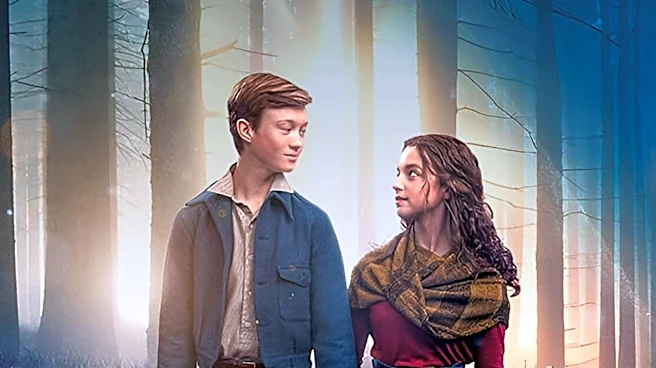
Netflix canceled the sci-fi series 'The OA' after its second season, leaving a significant portion of its planned five-season storyline untold. The show, which premiered in 2016, garnered a dedicated following through word-of-mouth. Despite its popularity
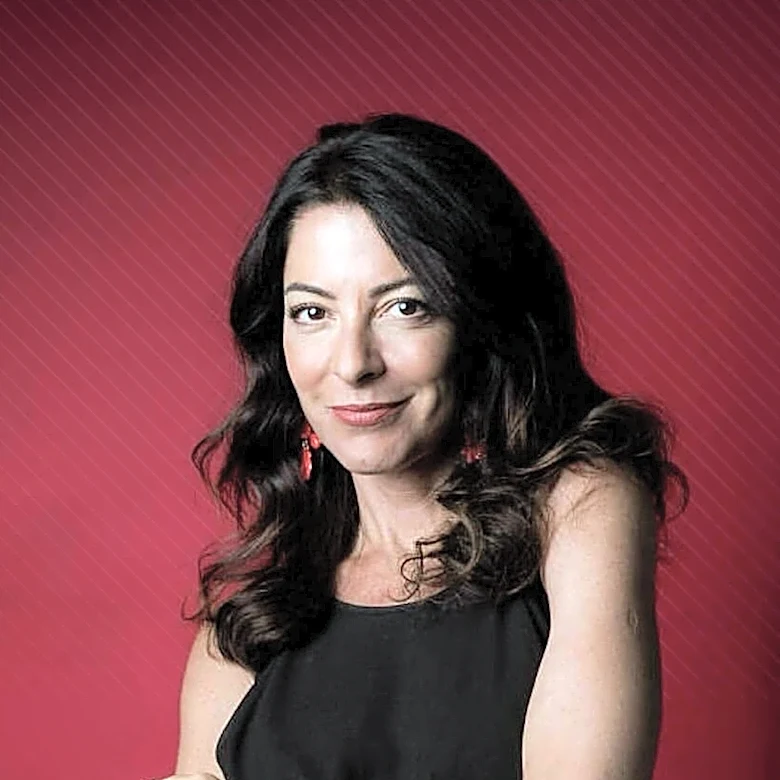
among fans, Netflix did not disclose specific viewing numbers or a clear reason for the cancellation. Series regular Jason Isaacs suggested that the decision was not solely based on viewership but rather on Netflix's broader strategy to attract new subscribers. The cancellation prompted a strong reaction from fans, who launched campaigns to save the show, including social media trends, a billboard in Times Square, a flashmob, and even a hunger strike. Creators Brit Marling and Zal Batmanglij engaged in discussions with Netflix about a potential finale movie, but ultimately felt it would not do justice to the story. This event follows a pattern of Netflix canceling shows after two or three seasons, a strategy that has drawn criticism from some viewers and creators.
Why It's Important?
The cancellation of 'The OA' highlights the evolving and often opaque decision-making processes of major streaming platforms like Netflix. Unlike traditional broadcast networks that often rely on Nielsen ratings, streaming services frequently keep viewership data private, making it difficult for the public and even creators to understand the rationale behind cancellations. This lack of transparency can lead to frustration among dedicated fan bases and raises questions about the long-term commitment of platforms to complex, multi-season narratives. The incident also underscores the tension between artistic vision and corporate strategy in the streaming era. While creators may envision extensive story arcs, platforms like Netflix are increasingly focused on metrics related to subscriber acquisition and retention, which can lead to the premature ending of critically acclaimed or fan-favorite shows if they don't meet specific internal benchmarks. This trend impacts the creative landscape, potentially discouraging the development of ambitious, long-form storytelling if creators fear their projects will be cut short.
What's Next?
Despite the cancellation, 'The OA' remains available for streaming on Netflix, which holds the rights to the property. While creators Brit Marling and Zal Batmanglij previously indicated that a finale movie would not suffice, series star Jason Isaacs has expressed a willingness to do 'whatever it takes' to bring the show back, even seven years after its cancellation. This suggests that the possibility of a revival, however remote, is not entirely off the table, especially if fan efforts were to intensify or if Netflix's strategic priorities were to shift. However, the passage of time makes a direct continuation challenging. The broader implication for the streaming industry is a continued debate over the balance between content volume, subscriber growth, and the nurturing of long-term, serialized storytelling. Platforms may face ongoing pressure from audiences and creators to be more transparent about their cancellation criteria and to provide more opportunities for shows to conclude their narratives satisfactorily.
Beyond the Headlines
The fan response to 'The OA's' cancellation, including the billboard in Times Square and a hunger strike, reflects a deeper cultural shift in how audiences engage with media. In the age of streaming, viewers develop intense connections with shows, and their investment extends beyond passive consumption to active advocacy. This phenomenon highlights the power of collective fan action and its potential to influence corporate decisions, even if not always successfully. Marling's comment about the cancellation begging 'larger questions about the role of storytelling and its fate inside late capitalism’s push toward consolidation and economies of scale' points to a critical discussion about the commodification of art. It suggests that in a market-driven environment, even compelling narratives can be sacrificed if they don't align with a company's financial objectives, raising concerns about the future of diverse and experimental storytelling in mainstream media.