



What's Happening?
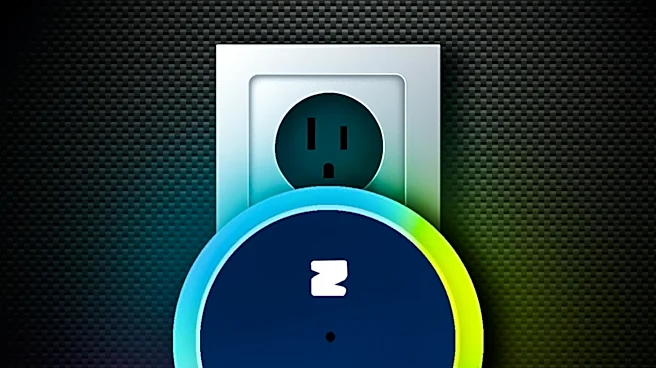
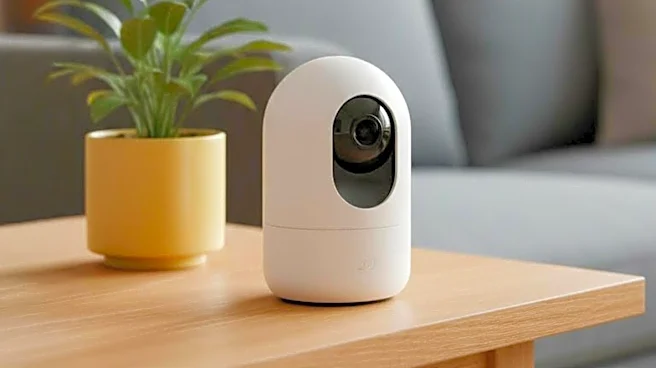
The time required to install smart home devices varies significantly, depending on the complexity of the devices and whether the installation is a do-it-yourself (DIY) project or professionally handled. Simple devices like smart plugs can be installed
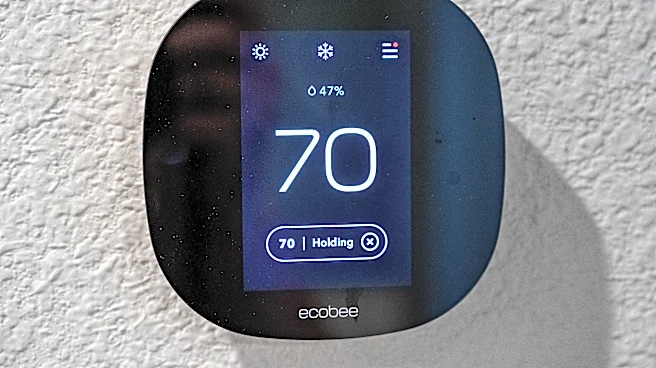
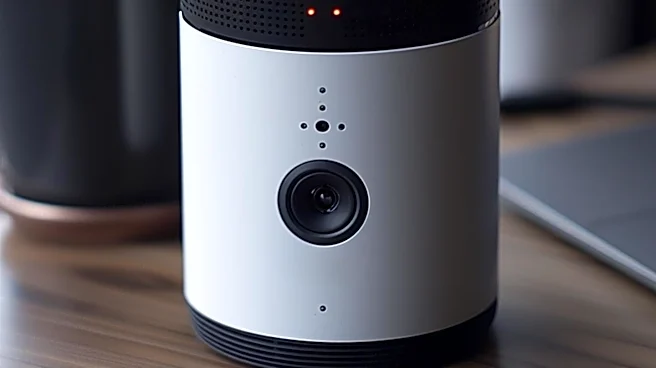
quickly, while more complex items such as smart thermostats might necessitate professional rewiring or electrical expertise. The process typically involves physical installation, connecting devices to local Wi-Fi, downloading and setting up corresponding mobile applications, and configuring automations. While professional services like Vivint offer expert installation, the DIY route often involves a learning curve that can extend the installation time. After physical setup, configuring automations and ensuring interoperability between devices, often through a smart assistant or hub, can add several hours to the overall process.
Why It's Important?
This variability in smart home installation time has several implications for U.S. consumers and the smart home industry. For consumers, understanding these factors is crucial for managing expectations and planning their smart home integration projects effectively. It highlights the need for clear product information regarding installation requirements and potential time commitments. For the smart home industry, this underscores the importance of developing user-friendly devices and streamlined setup processes to encourage broader adoption. Companies offering professional installation services, like Vivint, may see increased demand as consumers seek convenience and expertise for more complex setups. The need for seamless integration across different brands and platforms, often facilitated by major platforms like Amazon Alexa, Google Home, and Apple HomeKit, is also critical for enhancing the user experience and reducing installation friction. This also impacts the market for smart home accessories, as ease of installation can be a significant differentiator.
What's Next?
In the future, the smart home market is likely to see continued efforts to simplify installation and configuration processes. This could involve more plug-and-play devices, improved in-app setup guides, and enhanced interoperability standards like Matter, which aims to create a universal pairing protocol. While Matter can simplify connections, it may sometimes limit devices to generic functionality, suggesting a continued need for platform-specific integrations. Manufacturers will likely focus on making their products more accessible to a wider range of consumers, including those less tech-savvy, to expand market reach. The role of smart assistants and hubs in orchestrating device interactions will also grow, making their setup and configuration increasingly important. Professional installation services are expected to remain a valuable option for consumers seeking comprehensive and hassle-free smart home solutions, especially for whole-home integrations.
Beyond the Headlines
Beyond the practicalities of installation, the evolving landscape of smart home technology raises broader questions about digital literacy and accessibility. As homes become increasingly interconnected, the ability to set up, manage, and troubleshoot these systems becomes a new essential skill. This could create a digital divide between those who can easily navigate complex smart home ecosystems and those who struggle, potentially limiting access to the benefits of smart home living. Furthermore, the reliance on multiple apps and platforms for different devices highlights the ongoing challenge of creating a truly unified and intuitive smart home experience. The industry's push towards simplification and interoperability is not just about convenience; it's about democratizing access to smart technology and ensuring that the benefits of an automated home are available to everyone, regardless of their technical expertise. This also touches on the environmental impact of smart homes, as efficient energy management through smart devices becomes more prevalent.