







What's Happening?
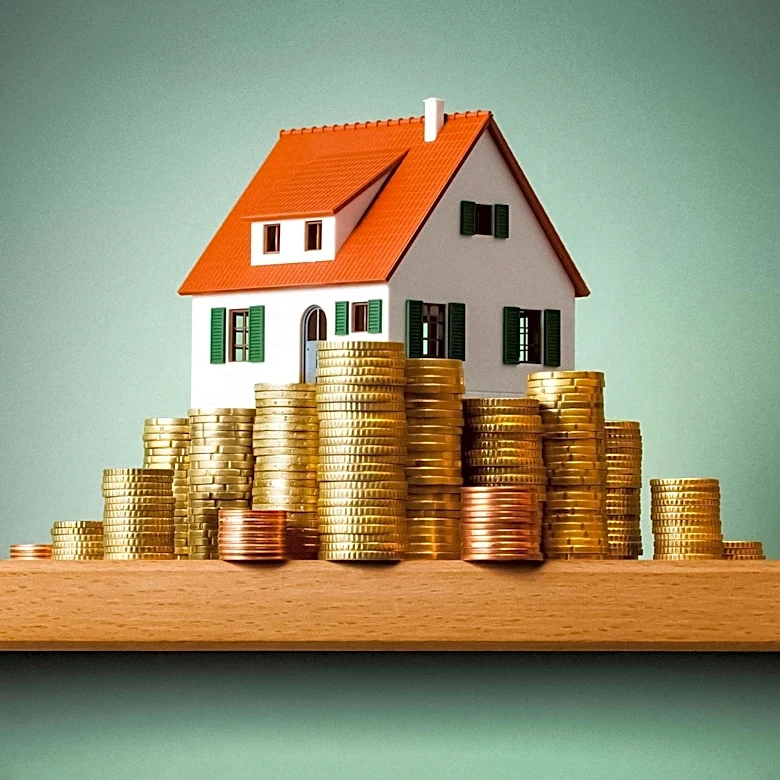
Berkshire Hathaway (BRK-B) shares are currently trading approximately 16% above their calculated fair value, with the price at $592.7 compared to a fair value of $510. This valuation has led some investors to maintain a neutral stance and avoid initiating
new positions. The company, a holding entity based in Omaha, Nebraska, encompasses a diverse portfolio including insurance (such as GEICO), the BNSF railroad, an energy business, manufacturing, retail, and a substantial collection of publicly traded stocks. Despite a recent record share repurchase of $9.6 billion in the third quarter of 2026, with an additional $2 billion in October, the stock's current market price remains significantly higher than its intrinsic value according to some analyses. Gregory Abel assumed the role of CEO at the beginning of 2026, succeeding Warren Buffett, who had led the company for decades.
Why It's Important?
The current overvaluation of Berkshire Hathaway shares carries significant implications for investors, particularly those focused on value and quality rather than income, as the company does not pay dividends. Trading above fair value suggests limited upside potential and increased risk if market sentiment shifts or growth slows. This situation could deter new investments, as investors may prefer to wait for a price correction closer to or below key support levels, such as S2 at $465.4. The company's performance is intrinsically linked to various sectors, including insurance underwriting, investment income, and the railroad and energy businesses, making it susceptible to broader economic fluctuations and stock market volatility. The transition in leadership to Gregory Abel also introduces a new dynamic, as capital allocation strategies, including the pace of buybacks, may evolve from the Buffett era, potentially influencing future valuations and investor confidence.
What's Next?
Investors are likely to monitor Berkshire Hathaway's share price relative to its fair value and key support levels, particularly S2 at $465.4. A move towards these lower price points could signal a more attractive entry opportunity for those currently on the sidelines. The company's future financial results, especially in its diverse business segments and investment portfolio, will be crucial in determining whether the current premium is justified or if a correction is imminent. The market will also be observing the capital allocation decisions under CEO Gregory Abel, as any significant deviations from past practices could influence investor sentiment and the stock's valuation. Continued share repurchases, while potentially supportive of the stock price, may not be enough to sustain the current premium if underlying business performance or broader market conditions deteriorate.
Beyond the Headlines
The ongoing situation with Berkshire Hathaway's stock valuation highlights a broader challenge in the investment landscape: balancing the legacy and perceived stability of a company with its current financial metrics and market price. While Berkshire Hathaway has a storied history under Warren Buffett, its current trading above fair value prompts a re-evaluation of its attractiveness as a 'buy-and-hold' investment. This scenario underscores the importance of fundamental analysis and disciplined investment strategies, even for highly regarded companies. The transition in leadership also brings into focus the long-term sustainability of corporate culture and investment philosophy beyond a charismatic founder. Investors must consider whether the company's intrinsic value can catch up to its market price, or if the market is pricing in future growth and stability that may not materialize as expected, especially given the flagged weaknesses in revenue, earnings, and margins in some analyses.