







What's Happening?
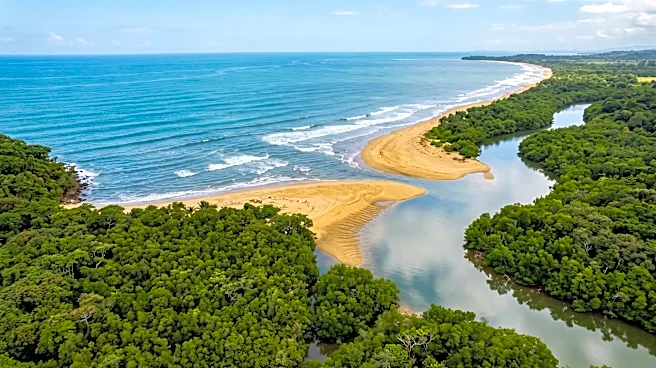
Costa Rica is highlighted as an ideal destination for wellness retreats, particularly for women over 50 seeking restorative travel experiences. The country's 'pura vida' philosophy, safety, and diverse natural landscapes contribute to its appeal. Various
regions offer distinct wellness experiences: Arenal and La Fortuna are known for rainforests and natural hot springs, Guanacaste for luxury resort spas, and the Nicoya Peninsula for its yoga culture and status as a Blue Zone. Specific accommodations like Nayara Springs, The Springs Resort & Spa, Four Seasons Resort Costa Rica, The Harmony Hotel, and Nantipa are recommended for their wellness-focused amenities. The article emphasizes the ease of solo travel in Costa Rica, with English widely spoken and a welcoming atmosphere. It also details natural wellness aspects such as the Nicoya Blue Zone's long-lived communities, the therapeutic hot springs of Arenal, and the tranquil Monteverde cloud forest, all contributing to a holistic sense of well-being.
Why It's Important?
The growing interest in wellness tourism, especially among older demographics, underscores the significance of destinations like Costa Rica. For women over 50, these retreats offer a crucial opportunity for physical and mental rejuvenation, often in a safe and supportive environment for solo travelers. The focus on natural elements like hot springs, rainforests, and Blue Zones aligns with a broader trend towards holistic health and preventative care. This type of tourism can significantly impact local economies, supporting hospitality, wellness services, and eco-tourism sectors. Furthermore, the emphasis on 'pura vida' promotes a lifestyle that prioritizes well-being, potentially influencing visitors to adopt healthier habits. The availability of structured retreats or self-guided options caters to diverse preferences, making wellness accessible to a wider audience seeking respite and personal growth.
What's Next?
As the demand for wellness travel continues to grow, Costa Rica is likely to further develop its infrastructure and offerings to cater to this niche market. This could include the expansion of existing wellness resorts, the creation of new specialized retreats focusing on specific health goals (e.g., stress reduction, digital detox), and increased promotion of its natural assets as wellness tools. Tour operators and travel agencies may develop more tailored packages for solo female travelers over 50, incorporating elements like guided nature walks, local culinary experiences, and cultural immersion alongside traditional wellness activities. The country may also see increased investment in sustainable tourism practices to preserve the natural environments that attract wellness seekers, ensuring the long-term viability of its wellness tourism sector. Additionally, other countries with similar natural attributes might look to Costa Rica's model for developing their own wellness tourism strategies.
Beyond the Headlines
The trend of wellness retreats for specific demographics, such as women over 50, reflects deeper societal shifts towards self-care, longevity, and experiential travel. It highlights a recognition that traditional vacations may not always meet the evolving needs for mental and physical restoration. The appeal of 'Blue Zones' like Nicoya underscores a cultural fascination with the secrets to healthy aging, prompting travelers to seek out environments and lifestyles believed to contribute to longevity. Ethically, the growth of wellness tourism in developing nations like Costa Rica raises questions about sustainable development, equitable distribution of benefits to local communities, and the potential for cultural commodification. Ensuring that these retreats genuinely benefit local populations and respect indigenous practices, rather than solely serving affluent tourists, will be a critical ongoing challenge. This movement also signifies a broader re-evaluation of retirement and post-career life, where personal well-being and exploration take precedence.