



What's Happening?
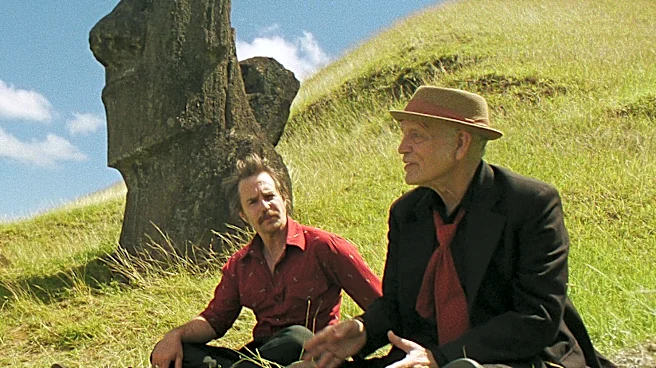
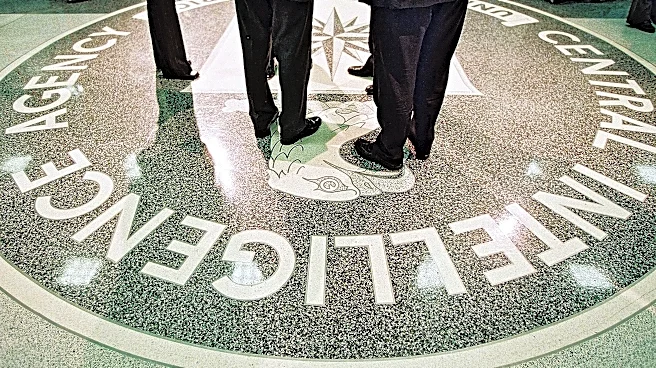
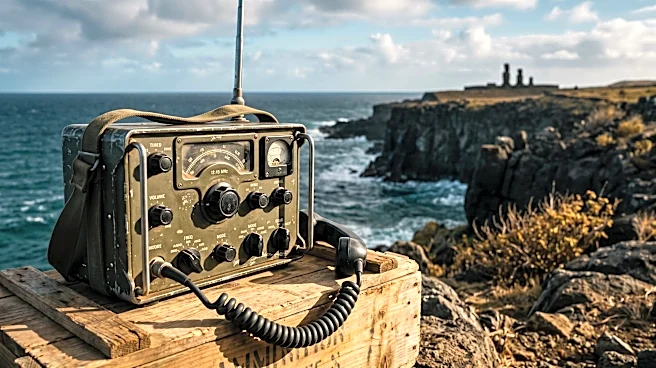
Composer Carter Burwell recently discussed his work on Martin McDonagh's new film, 'Wild Horse Nine,' which stars Sam Rockwell and John Malkovich as CIA agents. The film is set in 1973, shortly before the Chilean coup, with much of the action taking place
on Easter Island. Burwell, in his fifth collaboration with McDonagh, aimed to create a score that reflects the film's specific time and geographical setting while also conveying the complex relationship between the two central characters. He incorporated instruments like the charango, a 10-string lute, to evoke the South American setting and express the affection between the characters. Interestingly, Burwell found himself gravitating towards the musical language of classic Hollywood Westerns for the main theme, using a guitar-like sound backed by an orchestra. The score also includes 1970s songs, choral pieces by Carl Orff to convey the island's strangeness, and celesta and tuned percussion compositions for scenes where one character dictates his memoirs, creating a childlike, lullaby-like quality.
Why It's Important?
Carter Burwell's approach to scoring 'Wild Horse Nine' highlights the intricate process of film composition and its crucial role in shaping a film's emotional landscape and thematic depth. His ability to blend diverse musical influences—from Andean instruments to Western film scores and classical choral works—demonstrates how music can transcend genre conventions to serve a unique narrative. This collaboration with Martin McDonagh, their fifth, underscores the significance of long-standing creative partnerships in achieving distinctive artistic visions in cinema. For audiences, the score's nuanced balance of melancholy and humor, reflecting McDonagh's directorial style, enriches the viewing experience by providing subtle emotional cues and enhancing character development. The film's setting and political backdrop also allow the score to subtly comment on historical context without being overtly didactic, showcasing music's power as a storytelling tool.
What's Next?
As 'Wild Horse Nine' is now in theaters, the immediate next step involves its reception by critics and audiences, which will further evaluate the impact of Burwell's score within the overall cinematic experience. The film's performance and critical acclaim could influence future collaborations between Burwell and McDonagh, potentially solidifying their creative partnership as one of the most distinctive in contemporary cinema. Additionally, the unique blend of musical styles in the score might inspire other composers to explore unconventional instrumentation and genre fusions in their own work. The film's success could also draw more attention to the historical period and geographical setting it depicts, potentially sparking interest in Chilean history and the culture of Easter Island.
Beyond the Headlines
Beyond its immediate impact, Burwell's score for 'Wild Horse Nine' delves into deeper implications regarding the portrayal of male relationships and emotional expression in film. By using a Western-inspired theme to convey affection between two hardened CIA agents, Burwell subtly challenges traditional notions of masculinity and romance in cinema. This musical choice reflects McDonagh's writing, where male characters often struggle to express feelings directly, instead communicating through indirect means. The score's ability to balance the film's dark humor with its melancholic undertones also speaks to the complexity of human emotion, suggesting that even in troubled situations, there can be layers of vulnerability and connection. This nuanced approach to character and emotion through music contributes to a richer, more sophisticated cinematic narrative, encouraging audiences to look beyond surface-level interactions.