




What's Happening?
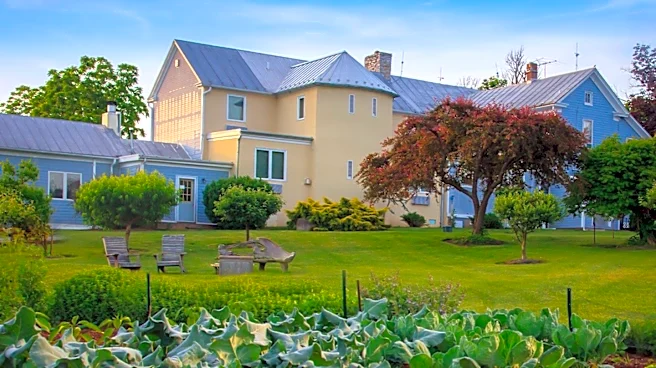
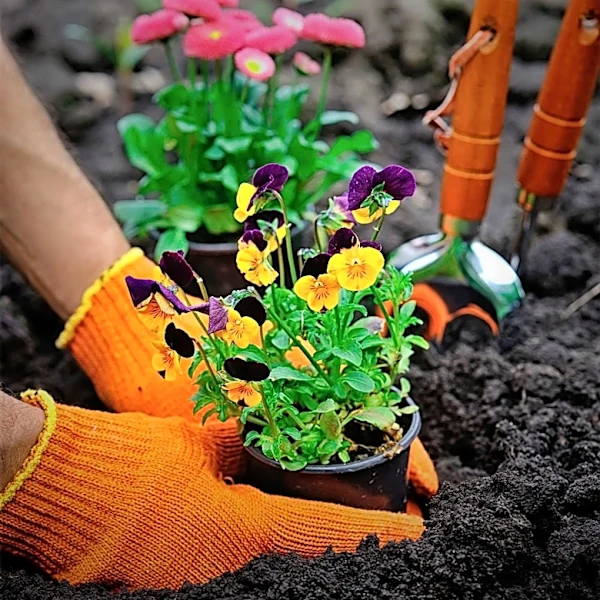
Designing an edible garden involves strategic plant selection and placement to maximize yield and support local ecosystems. A key recommendation is to establish a fruit tree, such as a Pawpaw or Peach, as a central feature in the sunniest part of the garden.
Surrounding these focal points with pollinator-attracting plants like Milkweed, Butterfly Weed, Purple Coneflower, and Black Eyed Susan is crucial for encouraging beneficial insects. For areas with more shade, options like Giant Ostrich Fern, Virginia Bluebell, or Trumpet Vine are suggested. The design approach advocates for layering plants, with taller varieties at the back or center and progressively shorter ones towards the front, to ensure optimal light exposure and efficient use of space. This method not only enhances the garden's productivity but also contributes to the health of the local environment by incorporating native species that are well-adapted to the climate and soil conditions.
Why It's Important?
This approach to edible gardening holds significant importance for U.S. society and the environment. By prioritizing native plants, gardeners contribute to biodiversity conservation, providing essential habitats and food sources for local wildlife, particularly pollinators whose populations have been declining. The emphasis on edible plants promotes food security and self-sufficiency at a household level, potentially reducing reliance on commercial food systems and their associated environmental impacts, such as long-distance transportation and chemical use. Furthermore, integrating pollinator-friendly species directly supports agricultural productivity, as many food crops depend on these insects for pollination. This gardening philosophy encourages sustainable practices, fostering a deeper connection between individuals and their food sources while simultaneously enhancing ecological resilience within urban and suburban landscapes across the U.S.
What's Next?
The continued promotion and adoption of these edible garden design principles could lead to a broader movement towards localized food production and ecological restoration in the U.S. Educational initiatives, workshops, and community programs focusing on native edible plants and pollinator support are likely to expand, empowering more individuals to transform their yards into productive and environmentally beneficial spaces. We may see increased demand for native plant nurseries and specialized gardening resources. Local governments and community organizations might also offer incentives or support for creating such gardens, recognizing their benefits for urban greening, food access, and biodiversity. This trend could also influence landscape architecture and urban planning, with a greater emphasis on integrating edible and native plant systems into public and private developments.
Beyond the Headlines
Beyond the immediate benefits of fresh produce and pollinator support, this gardening philosophy touches upon deeper cultural and ethical dimensions. It represents a shift towards a more holistic understanding of land use, where gardens are not merely aesthetic features but active contributors to ecological health and community well-being. The act of growing one's own food, especially with native plants, can foster a sense of stewardship and connection to the natural world, potentially leading to increased environmental awareness and advocacy. Ethically, it promotes sustainable living and reduces the ecological footprint associated with food consumption. Culturally, it revives traditional knowledge of local flora and fauna, encouraging a return to practices that honor regional ecosystems. This movement could also inspire a re-evaluation of urban and suburban landscapes, transforming them into vibrant, productive, and ecologically rich environments.