


What's Happening?
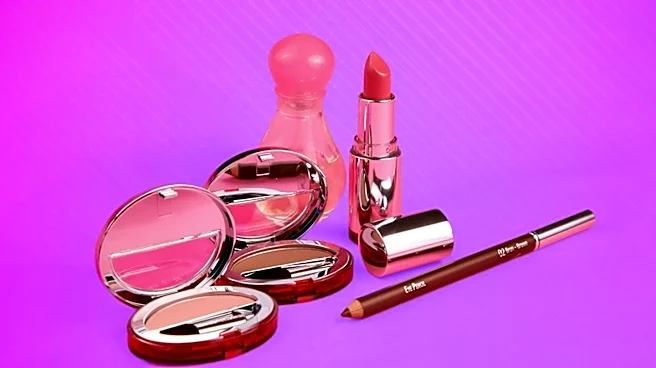
Kylie Cosmetics, the beauty brand founded by Kylie Jenner in 2015, has achieved significant market success by transforming product launches into highly anticipated events. The company, which sells makeup, skincare, and fragrances, notably sold out its
first three Lip Kits in less than a minute in November 2015, according to parent company Coty. This strategy relies heavily on Kylie Jenner's extensive social media presence to tease upcoming collections, announce release dates, and generate excitement around limited quantities. The brand's approach makes purchasing a new product a planned event for consumers. Kylie Cosmetics also dedicates prominent homepage space to seasonal releases, such as holiday campaigns, which introduce new gift sets and integrate bestsellers to create fresh appeal for familiar products.
Why It's Important?
The success of Kylie Cosmetics highlights a significant shift in consumer engagement and marketing within the beauty industry, particularly for U.S. brands. By leveraging a celebrity's social media influence and adopting a 'product drop' model, the company has demonstrated an effective strategy for generating demand and creating a sense of urgency among consumers. This approach allows brands to build anticipation and sell out products rapidly, minimizing inventory risks and maximizing initial sales. For other businesses, especially those operating on platforms like Shopify, this model offers a blueprint for engaging customers and making product releases feel exclusive and exciting, even without a celebrity endorsement. It underscores the power of strategic online engagement and event-based marketing in driving consumer behavior and brand loyalty in a competitive market.
What's Next?
The continued success of Kylie Cosmetics' product drop model suggests that other U.S. beauty and consumer brands may increasingly adopt similar strategies. Businesses are likely to focus on creating more event-driven product releases, utilizing social media to build hype, and offering limited-time or seasonal collections to maintain consumer interest. This trend could lead to a more dynamic and fast-paced retail environment, where product availability and newness are key drivers of sales. Brands will need to invest in robust social media marketing and e-commerce platforms capable of handling high traffic during launch events. The emphasis on creating a 'special' purchasing experience is expected to grow, influencing how products are marketed and sold across various consumer goods sectors.
Beyond the Headlines
The Kylie Cosmetics phenomenon extends beyond mere sales figures, illustrating a broader cultural shift in how consumers interact with brands and products. The brand's success is deeply intertwined with the concept of influencer marketing and the parasocial relationships consumers form with public figures. This model blurs the lines between entertainment, personal branding, and commerce, setting a precedent for how celebrity influence can be directly monetized in the digital age. It also raises questions about consumer psychology, as the manufactured scarcity and 'event' nature of product drops tap into desires for exclusivity and immediate gratification. This approach could lead to a re-evaluation of traditional marketing funnels, emphasizing direct-to-consumer engagement and the cultivation of a dedicated, anticipatory audience as primary drivers of commercial success.