





What's Happening?
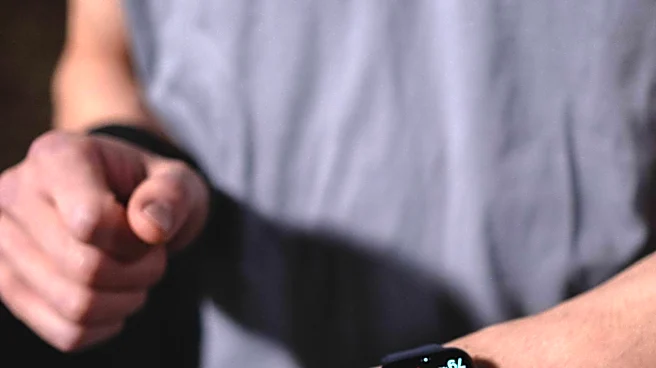
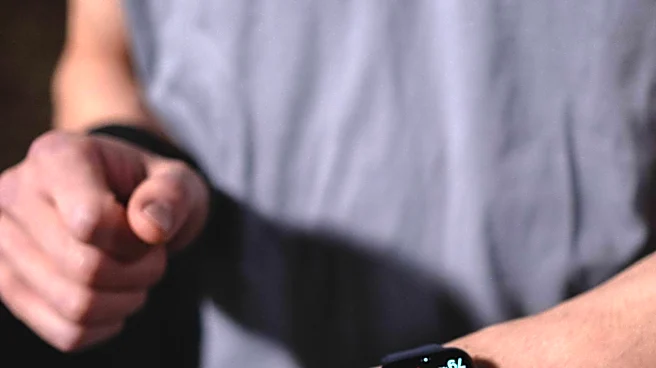
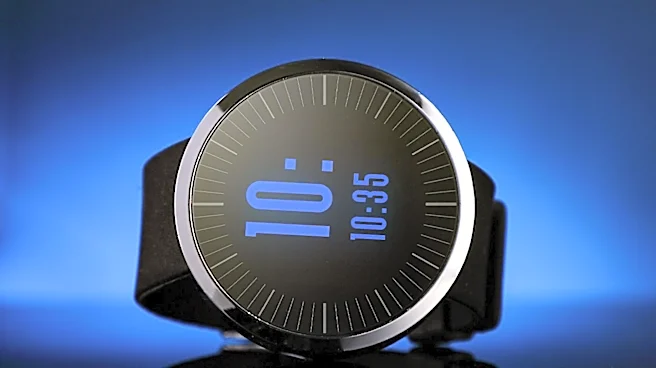
The WITHit CENTA smart tracker provides users with a range of health and activity monitoring features. This device tracks steps, distance, calories burned, heart rate, blood oxygen levels (SpO2), stress levels, HRV (Heart Rate Variability), and body surface
temperature. It also offers automatic sleep tracking, detailing sleep stages such as deep, light, REM, and awake times. Users can record various exercise types, including outdoor and indoor running/walking, cycling, and climbing, with GPS tracking available for outdoor activities. The tracker operates with the TRACK WITHit app, compatible with Android (version 8.0 and above) and Apple iOS (version 9.0 and above) smartphones. The app allows users to set daily goals, view historical data, and manage settings for continuous monitoring, though more frequent measurements can impact battery life. The CENTA smart tracker is designed for recreational use and is not intended for medical purposes.
Why It's Important?
The introduction of the WITHit CENTA smart tracker contributes to the growing market of consumer-grade health and fitness technology in the U.S. By offering a comprehensive suite of monitoring features, it empowers individuals to take a more active role in understanding their daily physical activity and physiological metrics. This accessibility to personal health data can foster greater health awareness and encourage healthier lifestyle choices among the general public. For the fitness technology industry, devices like the CENTA tracker drive innovation and competition, pushing manufacturers to integrate more advanced sensors and user-friendly interfaces. While not a medical device, its ability to track key health indicators can prompt users to consult healthcare professionals if they notice unusual patterns, potentially leading to earlier detection of health issues. However, it also highlights the importance of distinguishing between recreational fitness tracking and professional medical diagnostics, ensuring consumers understand the limitations of such devices.
What's Next?
Users of the WITHit CENTA smart tracker can expect ongoing app updates to enhance functionality and user experience, as indicated by the recommendation to keep the TRACK WITHit app updated. Future developments might include integration with more third-party health platforms beyond Google Health Connect and Google Fit, expanding its utility for a wider range of users. The company will likely continue to refine its algorithms for activity, sleep, and physiological measurements to improve accuracy and provide more personalized insights. As with any consumer electronics, there will be a continuous focus on battery life optimization and the introduction of new features to stay competitive in the rapidly evolving wearable technology market. Additionally, the company will need to maintain clear communication regarding the recreational nature of the device, ensuring users do not mistake its data for medical advice or diagnoses.
Beyond the Headlines
The proliferation of smart trackers like the WITHit CENTA raises broader discussions about data privacy and the ethical implications of collecting extensive personal health information. While the device offers cloud backup options, the security and handling of this sensitive data are paramount. There's also a subtle shift in personal responsibility for health, as individuals are increasingly equipped with tools to monitor their own well-being, potentially leading to both empowerment and anxiety. The distinction between 'recreational' and 'medical' use is crucial; as these devices become more sophisticated, the line may blur, necessitating clearer regulatory guidelines and consumer education. Furthermore, the environmental impact of manufacturing and disposing of such electronic devices, including their batteries, will become an increasingly important consideration for both consumers and manufacturers in the long term.