





What's Happening?
Volkswagen has reported a nearly 10% drop in its second-quarter profits, with operating profits falling to 3.5 billion euros. The company has also revised its full-year revenue outlook, now expecting a decline of up to 3% instead of the previously anticipated
growth. This financial downturn is attributed to the discontinuation of its top electric vehicle in the U.S. and negative mix effects. Volkswagen's CEO, Oliver Blume, has indicated that the company is considering significant cost reductions, including potential job cuts, to address the profit slump and competitive pressures from Chinese car brands.
Why It's Important?
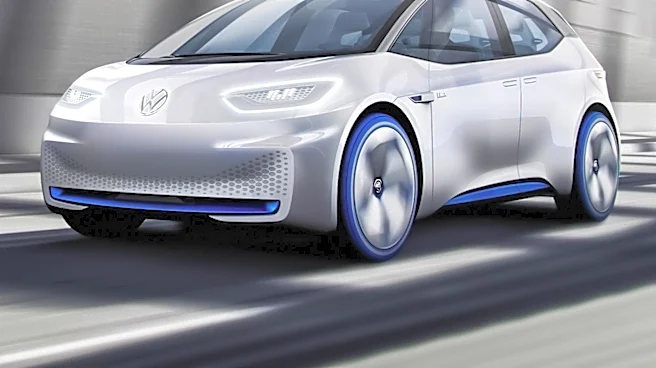
Volkswagen's financial challenges highlight the broader difficulties faced by traditional automakers in transitioning to electric vehicles, particularly in the competitive U.S. market. The company's decision to end production of the ID.4 electric SUV in Tennessee reflects the complexities of scaling EV production amid fluctuating demand and regulatory pressures. This situation underscores the need for automakers to adapt quickly to changing market dynamics and consumer preferences. The potential job cuts and factory closures could have significant economic and social impacts, particularly in regions dependent on automotive manufacturing.
What's Next?
Volkswagen is likely to continue its strategic review to identify cost-saving measures and optimize its production capabilities. The company may explore partnerships or investments in new technologies to enhance its competitiveness in the EV market. Stakeholders, including employees and unions, will be closely monitoring the company's decisions, as they could affect job security and regional economies. The automotive industry as a whole may see increased consolidation and collaboration as companies seek to navigate the challenges of electrification and global competition.