




What's Happening?
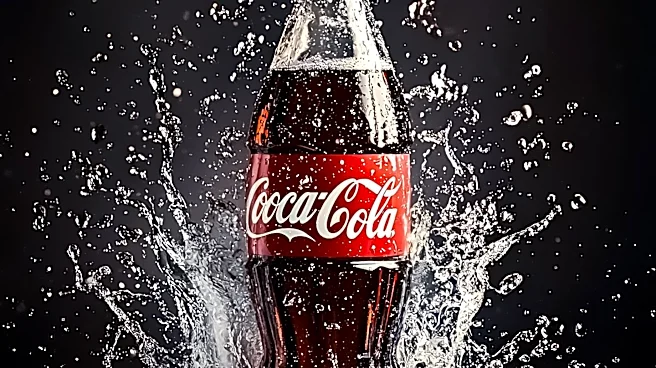
The European Commission (EC) has initiated a formal investigation into Coca-Cola Europacific Partners (CCEP), the primary European bottler for Coca-Cola, on suspicion of abusing its dominant market position. The EC is examining whether CCEP has obstructed
cross-border trade of soft drinks and sports drinks within the European Union, which could have led to reduced competition and increased prices for consumers. Practices under scrutiny include making wholesale discounts conditional on beverages not being exported to other Member States, offering incentives to retailers to limit soft drink imports into Spain, using different package sizes or formats between countries to hinder cross-border sales, and preventing wholesale customers from negotiating multi-country purchase agreements. The investigation focuses on the wholesale supply of carbonated soft drinks and sports drinks to supermarkets and other retail outlets, aiming to determine if CCEP created barriers between EU national markets.
Why It's Important?
This investigation is significant because it addresses a core principle of the European single market: the free circulation of goods among member states. If CCEP is found to have artificially fragmented this market, it could weaken retailers' bargaining power and force consumers to pay varying, potentially higher, prices depending on their country of residence. European Commissioner for Competition, Teresa Ribera, emphasized that consumers should not face higher prices for a beverage simply due to their location within the EU. The outcome of this investigation could set a precedent for how large multinational corporations operate within the single market, potentially leading to financial penalties for CCEP and mandated changes to its commercial terms if the allegations of abuse of dominant position are confirmed. This could impact pricing strategies and distribution models for other companies operating across multiple EU countries.
What's Next?
The European Commission has not specified a timeline for concluding its investigation into Coca-Cola Europacific Partners. The opening of the investigation does not automatically imply an infringement; Brussels must gather sufficient evidence to prove an abuse of dominant position and demonstrate that CCEP's practices negatively affected competition within the internal market. CCEP has stated its commitment to full cooperation with European authorities and adherence to competition law. If the Commission's suspicions are confirmed, CCEP could face substantial financial penalties and be required to modify its commercial practices. The final decision will depend on the evidence collected during the investigation and the defense presented by the bottler, potentially leading to significant changes in how soft drinks are distributed and priced across the EU.
Beyond the Headlines
The investigation into Coca-Cola Europacific Partners highlights the ongoing challenges in maintaining a truly integrated European single market, especially for consumer goods. Beyond the immediate financial implications for CCEP, this case could prompt a broader re-evaluation of how large companies structure their distribution and pricing strategies across national borders within the EU. It underscores the regulatory commitment to preventing market fragmentation that could disadvantage consumers and smaller retailers. The focus on practices like conditional discounts and varied packaging suggests a detailed examination of subtle tactics that can undermine cross-border trade. This could lead to increased scrutiny of other industries and companies with significant market power, potentially fostering a more level playing field for businesses and ensuring more consistent pricing and availability for consumers across the European Union.