






What's Happening?
Skincare influencer Miranda Wilson, known as @np.miranda on TikTok with over two million followers, has ignited a significant online debate after posting a video of herself performing a multi-step skincare routine inside a crowded movie theater during
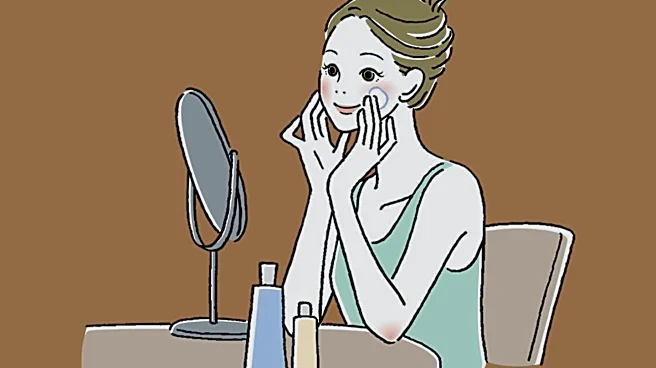
a screening of “The Odyssey.” The video shows Wilson applying various products, including micellar cleansing water, exosome facial mist, Volufline neck cream, density-restoring eye cream, and a full collagen sheet mask, while seated in the cinema. She captioned the video, “POV, the movie is 3 hours long,” and asked, “Anyone else bring their own skincare and snacks to the movies?” This public display of a personal beauty regimen has drawn widespread criticism from social media users, who have labeled it as “peak influencer entitlement” and a breach of basic movie theater etiquette. Many commenters expressed frustration over the glowing phone screen in the dark theater, which they argued disrupts the viewing experience for others. The incident highlights growing public exhaustion with certain aspects of online creator culture and the perceived lack of social decorum in public spaces.
Why It's Important?
This incident underscores a broader cultural tension between the demands of influencer content creation and established social norms, particularly in shared public environments. The backlash against Miranda Wilson reflects a growing sentiment among the public regarding the perceived invasiveness and self-centeredness of some influencer behaviors. For the entertainment industry, particularly movie theaters, such incidents can negatively impact the customer experience, potentially deterring moviegoers who seek an uninterrupted and respectful viewing environment. It also raises questions about the future of public etiquette in an increasingly digital world where personal branding often takes precedence. The debate highlights the challenge for businesses and public spaces to manage the impact of social media activities that can disrupt traditional consumer experiences. Furthermore, it illustrates the power of collective online opinion in shaping perceptions of public figures and influencing social discourse around acceptable behavior.
What's Next?
The immediate aftermath will likely see continued online discussion and potential further responses from Miranda Wilson, who has already defended her actions as “multi-tasking at its finest.” This event may prompt movie theater chains to consider reinforcing or clarifying their policies regarding phone usage and disruptive behavior, potentially through in-theater announcements or updated guidelines. The incident could also serve as a cautionary tale for other influencers, encouraging them to be more mindful of their surroundings and the impact of their content creation on others in public spaces. Broader conversations about digital etiquette and the responsibilities of content creators are expected to continue, influencing how brands and platforms engage with influencers and promote responsible content creation. The public's reaction may also lead to a re-evaluation of what constitutes acceptable behavior in shared public settings in the age of pervasive social media.
Beyond the Headlines
Beyond the immediate outrage, this event touches upon deeper societal shifts related to privacy, public versus private spaces, and the commodification of everyday life through social media. The act of performing a private routine in a public setting for online consumption blurs the lines between personal and performative existence. It raises ethical questions about the constant pursuit of 'content' and its potential to erode communal experiences and mutual respect. The incident also reflects a generational divide in understanding public decorum, where younger, digitally native individuals might view such actions differently than older generations. This clash highlights the ongoing negotiation of social contracts in a world increasingly mediated by screens and online personas. The long-term implication could be a redefinition of public etiquette, or conversely, a stronger pushback against behaviors perceived as self-serving and disruptive, ultimately shaping how individuals interact in shared physical spaces.