





What's Happening?
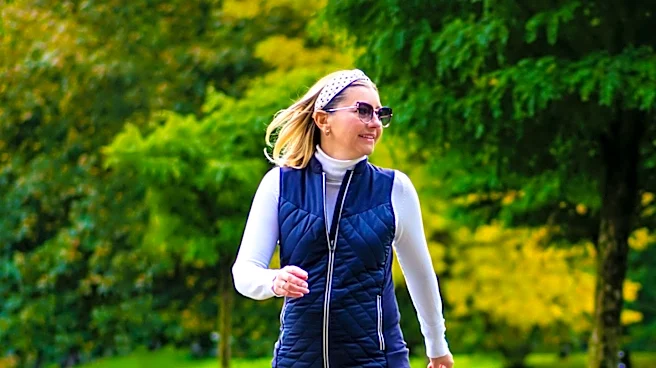
For many adults over 60, incorporating brisk daily walks into their routine is proving to be a simple yet effective way to enhance physical and mental well-being. Brisk walking, defined as moving fast enough to deepen breathing and make conversation slightly
challenging (around 3.7 miles per hour or 6 kilometers per hour), offers numerous benefits without the high impact of running. Research indicates that approximately 150 minutes of brisk walking per week, spread over six months, significantly increases walking capacity in previously inactive adults over 60. This consistent activity strengthens lower body muscles, improves balance, and boosts endurance, making everyday tasks like climbing stairs or grocery shopping easier. Beyond physical gains, older walkers frequently report better sleep, reduced stress, and improved mood regulation. The activity also engages the brain, requiring navigation and awareness of surroundings, and social walks can combat isolation.
Why It's Important?
This trend is particularly important for the U.S. as its population ages, with a growing number of individuals over 60. Promoting accessible and low-impact forms of exercise like brisk walking can significantly impact public health by reducing the prevalence of chronic conditions such as Type 2 diabetes and cardiovascular disease. The associated healthcare cost savings could be substantial, alleviating pressure on the national healthcare system. Furthermore, improved physical function and mental well-being among older adults can lead to greater independence, higher quality of life, and continued participation in society and the workforce. The emphasis on consistency over extreme mileage goals makes this a sustainable and achievable health strategy for a broad demographic, potentially reducing the burden of age-related health issues and fostering a more active and engaged senior population across the country.
What's Next?
To maximize the benefits of brisk walking, experts advise a gradual approach, starting with short intervals and progressively increasing duration and intensity. Sedentary individuals might begin with 10-15 minutes three times a week, adding five minutes or modest inclines as comfort levels improve. Interval training, alternating between easy and brisk paces, can make the routine less intimidating. Proper footwear with good traction and choosing safe, well-lit routes are crucial. Individuals with pre-existing health conditions like heart disease or uncontrolled blood pressure should consult a clinician before starting. The focus should be on consistent progress, recognizing improvements in comfort, recovery, sleep, and overall well-being, rather than solely on speed. Public health initiatives and community programs could further support this by providing accessible walking paths, group walking events, and educational resources on safe exercise practices for older adults.
Beyond the Headlines
The embrace of brisk walking by older adults highlights a broader societal shift towards proactive health management and a desire for sustained independence. This movement underscores the psychological benefits of routine and outdoor engagement, offering a counter-narrative to the often-isolated experiences of aging. The simplicity and accessibility of walking challenge the notion that effective exercise requires expensive equipment or specialized facilities, democratizing fitness. It also fosters community connections through social walks, addressing the critical issue of loneliness among seniors. This trend could inspire urban planners to prioritize pedestrian-friendly infrastructure and green spaces, recognizing their vital role in public health. Ultimately, the widespread adoption of brisk walking could lead to a redefinition of successful aging, emphasizing vitality and engagement rather than just longevity, and influencing how society supports its older members.