



What's Happening?
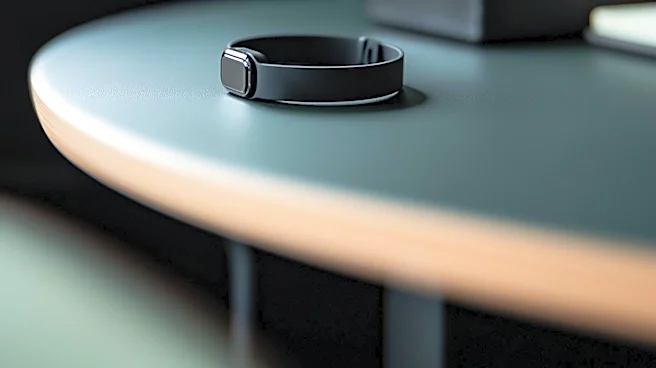
Google has announced a collaboration with The Pokémon Company to release a Special Edition Pokémon Sleep variant of the Fitbit Air. This new wearable coincides with the Pokémon franchise's 30th anniversary and features a 'Sleepy Blue' strap adorned with a custom
Sleeping Pikachu silk print label. The primary function of this device is to integrate real-world sleep data with the Pokémon Sleep app. It syncs overnight sleep and daytime naps directly through Health Connect on Android or Apple Health on iOS. The tracked sleep duration and Google Health Sleep Score are used to enhance Snorlax’s strength, generating 'Drowsy Power.' This power, in turn, attracts wild Pokémon with corresponding sleep types and unveils rare sleep styles, aiding users in expanding their Sleep Style Dex within the game. Setup involves a simple one-time pairing between the Google Health app and the Pokémon Sleep app. Preorders for the device began on August 27 at the Google Store and Target, with official shipping scheduled for September 15. Each purchase includes a three-month trial of Google Health Premium, offering advanced features like light and deep sleep stage tracking and personalized trend analysis from the Google Health Coach.
Why It's Important?
This collaboration signifies a strategic move by Google to integrate its health tracking technology with popular entertainment franchises, potentially broadening the appeal of wearable devices to a new demographic. By gamifying sleep, Google and Pokémon aim to incentivize better sleep habits, particularly among younger audiences and Pokémon enthusiasts. The integration of sleep data directly into a popular mobile game could transform how users perceive and engage with their health metrics, moving beyond traditional fitness tracking to a more interactive and rewarding experience. For Google, this partnership could boost Fitbit Air sales and Google Health Premium subscriptions, leveraging the immense global popularity of the Pokémon brand. For The Pokémon Company, it represents an innovative way to extend its franchise into the health and wellness sector, offering a unique value proposition to its fanbase. This initiative also highlights a growing trend of merging technology, health, and entertainment to create more engaging user experiences, potentially influencing future product development in both the tech and gaming industries.
What's Next?
Following the September 15 shipping date, the market will observe the initial reception and adoption rates of the Special Edition Pokémon Sleep Fitbit Air. Success metrics will likely include sales figures, user engagement with the Pokémon Sleep app, and subscription rates for Google Health Premium. Google and The Pokémon Company will likely monitor user feedback to inform potential future collaborations or enhancements to the sleep-tracking gamification model. The performance of this device could also influence other tech companies and entertainment franchises to explore similar cross-industry partnerships, leading to a new wave of 'gamified health' products. Furthermore, the data collected from users' sleep patterns could provide valuable insights for future health research, particularly in understanding how gamification impacts long-term health behavior changes. The initial three-month Google Health Premium trial will be crucial in converting users into long-term subscribers, indicating the effectiveness of the premium features in retaining user interest beyond the novelty of the Pokémon integration.
Beyond the Headlines
This partnership delves into the deeper implications of behavioral economics and gamification in public health. By transforming a mundane, often overlooked aspect of health—sleep—into an engaging game, Google and Pokémon are tapping into intrinsic human motivations for achievement and collection. This approach could set a precedent for how technology companies address other health challenges, potentially leading to gamified solutions for diet, exercise, and stress management. Ethically, the collection and use of extensive sleep data, even within a game context, will require transparent privacy policies and robust data security measures to maintain user trust. Culturally, this product reflects a growing societal trend where digital experiences are increasingly intertwined with physical well-being, blurring the lines between entertainment and health management. The long-term impact could be a shift in how individuals perceive their health data, moving from a purely clinical perspective to one that is more integrated into their daily digital lives and entertainment consumption.