






What's Happening?
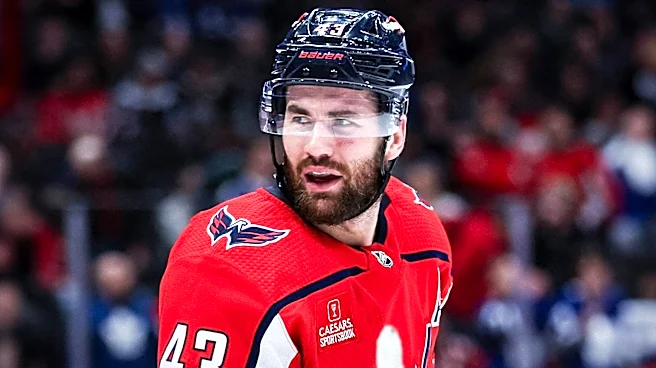
The Washington Capitals and the Monumental Sports & Entertainment Foundation are set to celebrate Hispanic Heritage Month from September 15 to October 15 with a series of special activations. A key event will be Hispanic Heritage Night at Capital One
Arena on October 14, during a game against the Montreal Canadiens. This night will feature in-game content and programming, including a Spanish starting lineup, hype moments in Spanish, and Latino music. Guatemalan content creator and former Spanish-language radio personality Jenny “the Voice” Hernandez will serve as a special guest host. Additionally, the Capitals' social media accounts will feature graphics translated into Spanish. The organization will also host an immersive career-exploration experience for Hispanic and Latino students from Columbia Heights Education Campus’ (CHEC) Academy of Hospitality and Tourism, offering them a behind-the-scenes tour of Capital One Arena and insights into various career paths in professional sports. This experience will culminate in the students attending Hispanic Heritage Night.
Why It's Important?
This initiative is important as it demonstrates a commitment to cultural inclusivity and community engagement within professional sports. By celebrating Hispanic Heritage Month, the Washington Capitals are acknowledging and honoring the significant contributions of the Hispanic and Latino communities, both locally in Washington, D.C., and across the nation. The career-exploration program for students from CHEC’s Academy of Hospitality and Tourism provides valuable mentorship and exposure to the business side of sports, potentially inspiring future generations to pursue careers in an industry where representation can be vital. This effort also helps to broaden the appeal of hockey to diverse audiences, fostering a more inclusive fan base and potentially increasing participation in the sport among Hispanic and Latino youth. The use of Spanish in game-day programming and social media further reinforces this commitment, making the team more accessible and relatable to Spanish-speaking fans.
What's Next?
Following the Hispanic Heritage Night on October 14, the Washington Capitals will continue to engage with the community through various initiatives. The Monumental Sports & Entertainment Foundation will provide a $10,000 donation to DC Public Schools and CHEC’s Academy of Hospitality and Tourism to support their sports programs, reinforcing the long-term impact of this month-long celebration. The Hispanic Heritage Capitals logo, designed by local artist Josue Martinez, will be utilized throughout the month in the arena, on digital media, and on retail merchandise, ensuring continued visibility of the initiative. The team's ongoing efforts to translate social media graphics into Spanish suggest a sustained commitment to engaging with Spanish-speaking audiences beyond the designated month. These actions indicate a continued focus on community outreach and cultural celebration, aiming to build lasting connections with diverse fan bases and support educational pathways for local youth.
Beyond the Headlines
Beyond the immediate celebrations, the Capitals' Hispanic Heritage Month initiatives reflect a broader trend in professional sports towards embracing diversity and inclusion as core values. This move goes beyond mere marketing; it represents an understanding that connecting with diverse communities is essential for the growth and sustainability of sports leagues. By investing in educational programs and cultural celebrations, the Capitals are not only expanding their fan base but also contributing to social good by providing opportunities and representation. This approach can foster a sense of belonging among underrepresented groups, potentially leading to increased engagement, loyalty, and participation in hockey. The collaboration with local artists and community leaders like Jenny Hernandez further embeds the team within the cultural fabric of Washington, D.C., demonstrating a commitment to authentic engagement rather than superficial gestures. This strategy could serve as a model for other sports organizations seeking to deepen their community ties and promote inclusivity.