



What's Happening?
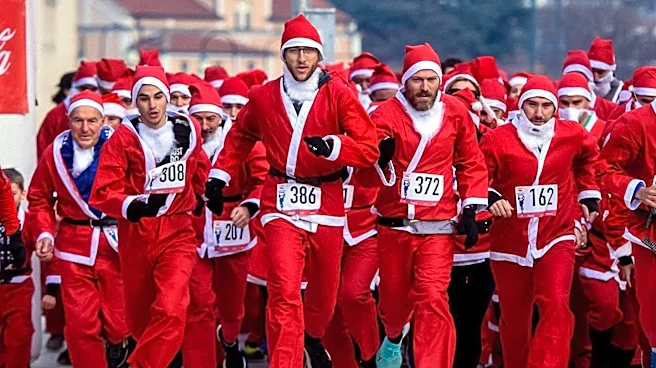
Gen Z individuals are increasingly opting for run clubs and organized races over traditional bar scenes to socialize and build community. This shift is driven by a desire for self-improvement and a response to a perceived 'loneliness epidemic.' DJ Diplo,
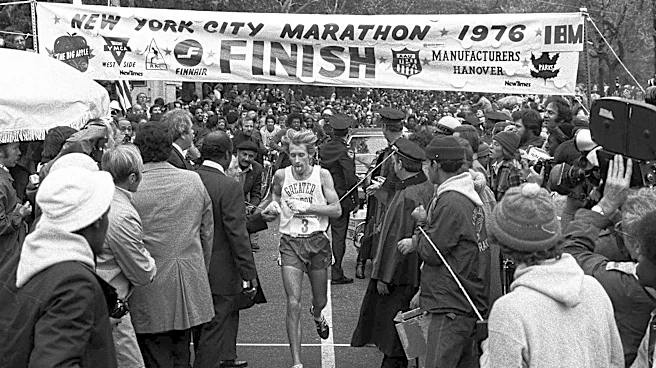
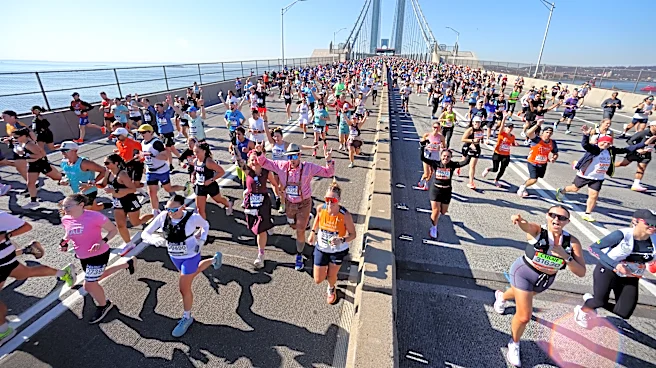
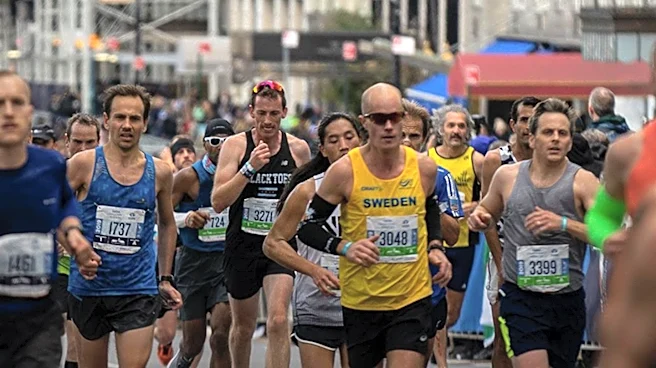
for instance, hosts 'Diplo's Run Club' events globally, combining 5K races with post-race festivals featuring cold plunges and dance parties. Participation in events like the New York City Marathon by runners in their 20s has significantly increased, reaching nearly 24% in 2025 and 27% for the upcoming 2026 race. Recreational sports leagues, such as those operated by Volo Sports, are also experiencing massive growth, with player registrations projected to reach 950,000 this year. This trend, dubbed 'from barstools to barbells' by a Bank of America economist, indicates a generational preference for community-based fitness activities.
Why It's Important?
This generational shift has significant implications for various industries. For the hospitality sector, it signals a decline in traditional bar patronage among younger demographics, necessitating adaptation and new strategies to attract this group. Conversely, the fitness industry, including run clubs, sports leagues, and related apparel and technology companies, stands to benefit immensely from this surge in participation. The focus on community and shared interests in fitness also highlights a potential solution to the 'loneliness epidemic,' offering a healthier and more engaging alternative for social connection. This trend could also influence urban planning, with increased demand for public parks, running trails, and community sports facilities. Furthermore, it reflects a broader cultural movement towards healthier lifestyles and intentional social engagement among young adults.
What's Next?
The growth of run clubs and community-based fitness is expected to continue, with more innovative formats and collaborations emerging, such as those integrating music or unique post-event experiences. Businesses in the fitness and wellness sectors will likely expand their offerings to cater to this demand, potentially leading to new types of social fitness apps, specialized gear, and event sponsorships. Traditional social venues like bars may need to re-evaluate their models, possibly incorporating fitness-related events or healthier beverage options to attract younger patrons. The trend could also lead to increased investment in public infrastructure for sports and recreation. Dating apps and platforms might further integrate fitness interests, as seen with Hyrox and Surf Dating, to facilitate connections based on shared active lifestyles.
Beyond the Headlines
Beyond the economic and social impacts, this shift reflects a deeper cultural re-evaluation of leisure and social interaction among Gen Z. It suggests a move away from passive consumption towards active participation and self-improvement as core values. The 'loneliness epidemic' serves as a powerful motivator, driving young people to seek authentic connections through shared physical challenges and goals. This trend also challenges traditional notions of adulthood and social rites of passage, where alcohol-centric activities were once dominant. The emphasis on physical and mental well-being, coupled with a desire for meaningful community, could foster a more resilient and engaged generation, potentially leading to long-term positive public health outcomes and a redefinition of what constitutes a fulfilling social life.