







What's Happening?
Austrian Schlager star Andreas Gabalier recently discussed his strict upbringing and the emphasis his mother, Huberta, placed on cultural education during his childhood. Gabalier, who grew up with two brothers and a sister, revealed in Monika Gruber's
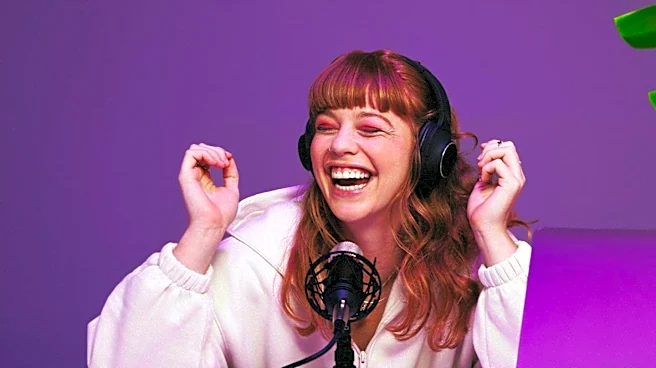
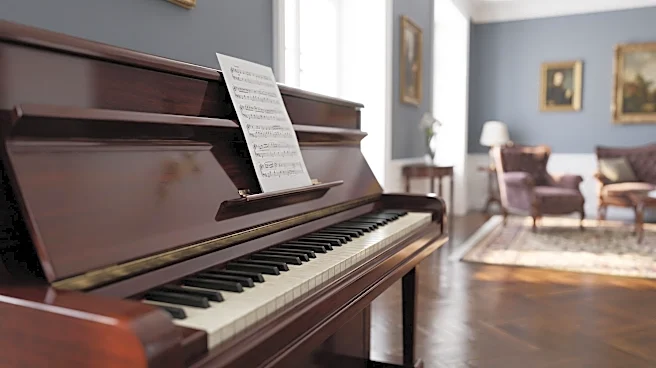
podcast 'Die Gruaberin' that his mother insisted all her children learn a musical instrument. For Gabalier, this meant starting piano lessons at the age of six. In addition to musical training, his childhood involved regular visits to the opera house, the playhouse, and the 'Next Liberty' children's and youth theater in Graz. Despite initially preferring to be on the football or ice hockey field, Gabalier now expresses gratitude for these experiences, acknowledging that his mother instilled a cultural appreciation in them. He also admitted to the 'Augsburger Allgemeinen' in 2019 that he and his siblings were quite boisterous teenagers.
Why It's Important?
This personal reflection from a prominent European entertainer highlights the long-term impact of early childhood education and parental influence on an individual's development and career path. While Gabalier's story is set in Austria, it resonates with broader discussions in the U.S. regarding the value of arts education and the role of parents in shaping their children's interests beyond traditional academic or athletic pursuits. The narrative underscores how early exposure to culture, even if initially resisted, can foster a deeper appreciation and potentially contribute to a successful career in the arts. It also touches upon the universal theme of children's initial reluctance versus later gratitude for parental guidance, a dynamic often observed in American families as well. This perspective can inform U.S. educational policy debates about funding for arts programs and the importance of a well-rounded curriculum.
What's Next?
While the article focuses on past events, Gabalier's continued public discussions about his upbringing could inspire further conversations about parenting styles and educational priorities in the entertainment industry and beyond. His story might encourage other public figures to share their experiences, potentially influencing how parents and educators approach cultural development in children. For Gabalier himself, these reflections could become a recurring theme in his public appearances or future projects, offering insights into the personal journey behind his musical success. The ongoing dialogue around the importance of arts and culture in personal development is likely to continue, with such anecdotes serving as valuable contributions.
Beyond the Headlines
Gabalier's account delves into the often-underestimated influence of parental determination in shaping a child's future, particularly in areas that may not align with their immediate interests. This narrative transcends the typical celebrity interview, offering a glimpse into the psychological and developmental aspects of growing up under a structured, culturally rich environment. It subtly challenges the modern emphasis on allowing children complete freedom in choosing their activities, suggesting that a degree of parental guidance, even 'strict' as Gabalier describes it, can lead to profound long-term benefits and gratitude. This perspective could spark broader societal discussions in the U.S. about the balance between child autonomy and parental direction in fostering well-rounded individuals, especially in an era where screen time often overshadows cultural engagement.