




What's Happening?
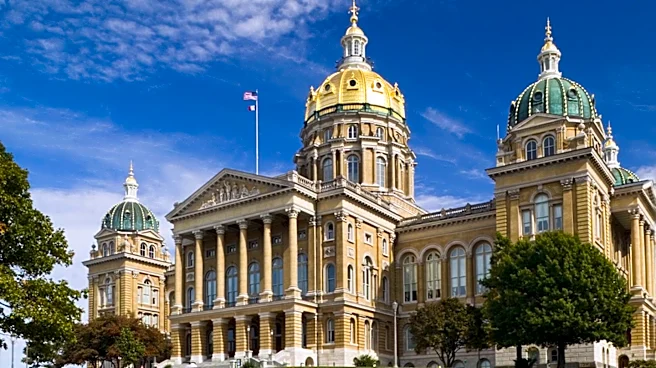
Iowa's Republican-led Legislature convened a one-day special session to pass changes to state tax incentives, aiming to attract a $15 billion Mesabi Metallics steel plant to southeast Iowa. The revisions to the Major Economic Growth Attraction (MEGA)
program will allow the state to offer tax credits up to 10% of the investment over 10 years, doubling the previous incentive of 5% over 5 years. The proposed plant, which would be located in Lee County, plans to use iron ore pellets from Minnesota and employ over 6,000 construction workers and more than 1,700 operational workers. Governor Kim Reynolds signed the bill into law, calling it a 'transformational opportunity' for the state. The move has generated debate, with some Democrats and Republicans expressing concerns about the cost to taxpayers and the speed of the legislative process.
Why It's Important?
This legislative action is significant for Iowa's economic landscape, potentially bringing a massive industrial project and thousands of jobs to the state. The Mesabi Metallics plant, described as the 'largest steel investment in American history,' could boost manufacturing and reduce reliance on foreign supply chains, aligning with national security interests. However, the expanded tax breaks, estimated to reduce state revenue by an additional $575 million from fiscal year 2029 through 2041, raise questions about fiscal responsibility and equitable distribution of economic benefits. Critics argue that such substantial incentives for a single, foreign-owned corporation (Essar Group, India-based) might divert resources from existing Iowa businesses and local needs. The project's timing, just over a month before Election Day, also introduces a political dimension, with some suggesting it could influence voters in tight congressional races, such as that of U.S. Rep. Mariannette Miller-Meeks.
What's Next?
The final incentive package for Mesabi Metallics will be determined by the Iowa Economic Development Authority (IEDA) Board. A preliminary agreement shared with lawmakers indicated a potential $1.36 billion in tax incentives, including investment tax credits, sales tax refunds, and withholding tax credits. The IEDA Director, Debi Durham, stated that a proposal could go before the board as early as November, following a 60-day negotiation period with Mesabi Metallics. The company's CEO, Joe Broking, has emphasized the plant's advanced manufacturing process and its competitiveness even if steel tariffs are reduced or eliminated. The long-term financial impact on Iowa's budget and the effectiveness of these incentives in fostering sustainable economic growth will be closely monitored, especially given the concerns raised by some lawmakers about the state's budget outlook.
Beyond the Headlines
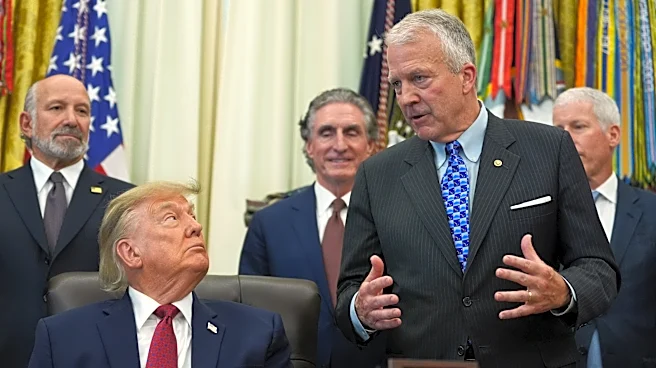
The debate surrounding the Mesabi Metallics project highlights a broader tension between economic development and fiscal conservatism. While proponents emphasize job creation and manufacturing resurgence, critics question the scale of corporate subsidies and their potential impact on state finances and local communities. The discussion also touches on the role of government in attracting large-scale industry, with some lawmakers advocating for a more cautious approach to tax incentives. The project's announcement at the White House and subsequent clarification regarding the need for local incentives also underscore the complex interplay between federal and state economic development strategies. This situation could set a precedent for how Iowa and other states approach attracting major industrial investments, balancing the allure of economic growth with concerns about taxpayer burden and equitable development.