




What's Happening?
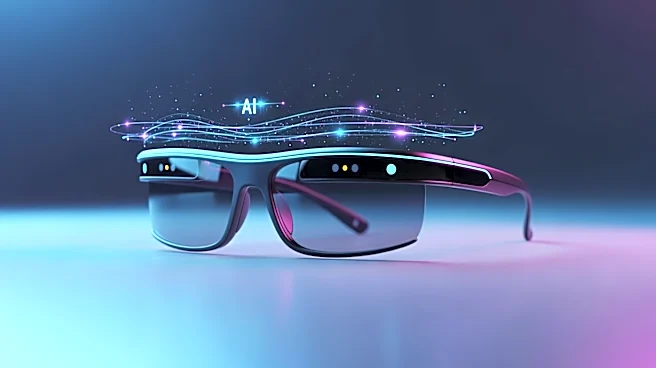
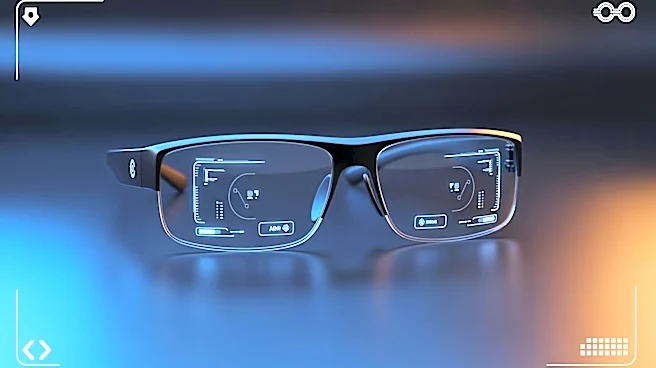
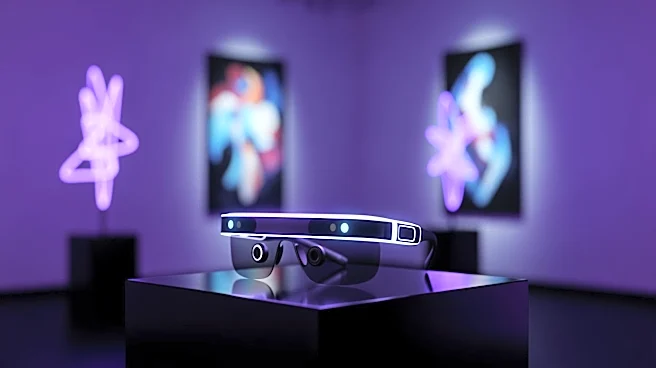
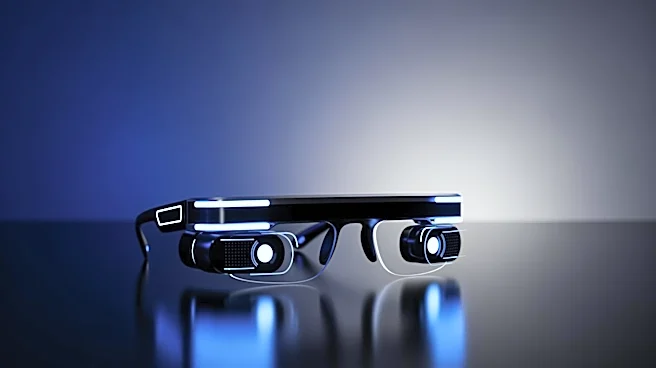
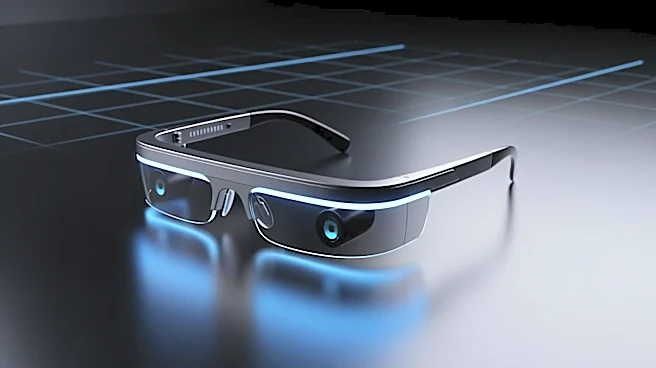
At the Augmented World Expo (AWE) 2026, Snap introduced its new AR glasses, named Specs, priced at $2,195. These glasses are positioned as a standalone augmented reality computer, expected to ship in the fall. The announcement marks a significant development
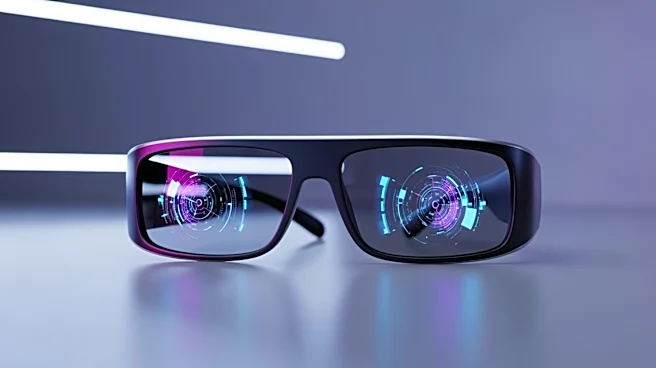
in the AR industry, providing a clear price benchmark against competitors like Apple's Vision Pro. Alongside Snap's announcement, Xreal revealed its Aura XR glasses, backed by Google, with a preorder deposit system that may limit early availability. Qualcomm also introduced its Snapdragon Reality Elite chip, promising a 20% improvement in battery life for XR devices. These developments highlight a trend towards premium AR devices with enhanced performance capabilities.
Why It's Important?
The introduction of Snap's Specs at a premium price point underscores the growing emphasis on high-end AR technology. This move could influence market dynamics by setting a new standard for AR device pricing and capabilities. The Snapdragon Reality Elite chip's promise of improved battery life addresses a critical limitation in AR technology, potentially enhancing user experience and device adoption. The involvement of major players like Google and Qualcomm indicates a robust ecosystem development, which could accelerate innovation and competition in the AR space. These advancements are likely to impact developers, who must adapt to new hardware capabilities, and consumers, who may face higher costs but gain access to more sophisticated technology.
What's Next?
As these AR devices prepare for market entry, the industry may experience supply bottlenecks due to preorder and deposit schemes, favoring early adopters and enthusiasts. The staggered release of these products through fall 2026 and into early 2027 suggests a gradual market penetration. Developers are expected to focus on creating power-efficient applications to leverage the new hardware capabilities. Consumers will need to weigh the benefits of premium features against the cost, potentially influencing purchasing decisions and market trends. The success of these devices could shape future AR developments and consumer expectations.