



What's Happening?
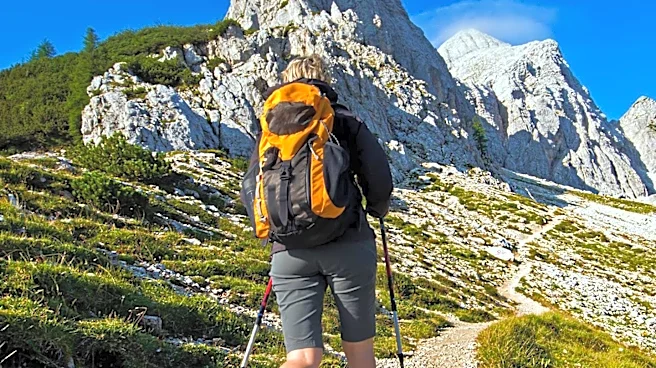
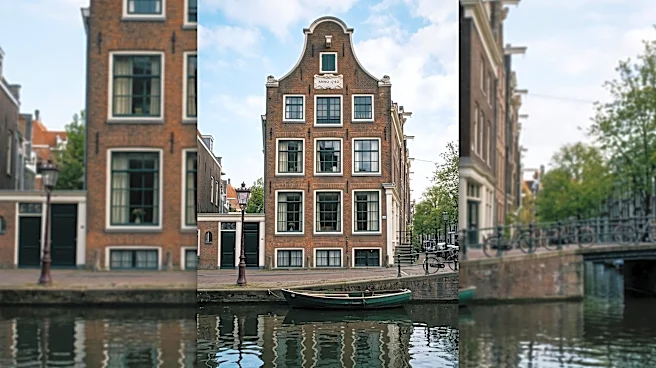
A growing trend known as 'microadventures' is emerging, offering individuals short, exciting trips to explore nearby places without the need for extensive planning or international travel. These adventures provide a break from routine urban life and opportunities
for new experiences. Activities commonly associated with microadventures include cycling to witness sunrises, weekend trekking in local forests, and bird watching in nearby parks. The concept emphasizes finding excitement and boosting confidence through accessible, short-duration excursions. This trend is appealing to both men and women, who are utilizing it to discover new activities and cultivate self-reliance. The Solo Travel Service market is experiencing growth, driven by the demand for personalized and flexible travel solutions that cater to independent explorers seeking these types of experiences.
Why It's Important?
The rise of microadventures signifies a shift in how individuals approach leisure and personal development, particularly within the U.S. context. This trend offers a cost-effective and time-efficient alternative to traditional, longer vacations, making adventurous experiences more accessible to a broader demographic. For industries such as outdoor gear retailers, local tourism, and specialized travel services, this presents a significant market opportunity. Businesses can cater to the demand for equipment suitable for short trips, guided local excursions, and flexible travel packages. Furthermore, the emphasis on self-reliance and exploring local environments could foster a greater appreciation for domestic natural resources and community-based activities. This trend also highlights a societal desire for mental breaks and personal growth that can be achieved without significant financial or time commitments, potentially influencing workplace policies regarding flexible time off and employee well-being programs.
What's Next?
The microadventure trend is expected to continue its growth trajectory, with increasing interest in local exploration and accessible outdoor activities. This could lead to the development of more specialized services and products tailored to this market, such as compact and versatile outdoor equipment, curated local adventure guides, and community-organized microadventure events. Businesses in the travel and leisure sectors may adapt by offering more flexible booking options and shorter, experience-focused packages. Additionally, as more individuals embrace solo travel within this framework, there could be an increased demand for safety resources and community platforms that connect like-minded adventurers. The trend may also influence urban planning, with a greater focus on developing accessible green spaces and recreational areas within or near metropolitan centers to facilitate these short escapes.
Beyond the Headlines
Beyond its immediate impact on leisure and tourism, the microadventure trend reflects deeper societal shifts towards mindfulness, personal well-being, and a re-evaluation of what constitutes a fulfilling experience. In an increasingly fast-paced and interconnected world, these short, localized adventures offer a counter-narrative, promoting disconnection from digital overload and reconnection with nature and self. The emphasis on self-reliance and overcoming small challenges can contribute to enhanced mental resilience and a sense of accomplishment. Ethically, it encourages sustainable tourism practices by promoting exploration of nearby areas, reducing the carbon footprint associated with long-distance travel. Culturally, it could foster a renewed appreciation for local landscapes and hidden gems, transforming how individuals perceive their immediate surroundings and encouraging a more active, exploratory lifestyle.