






What's Happening?
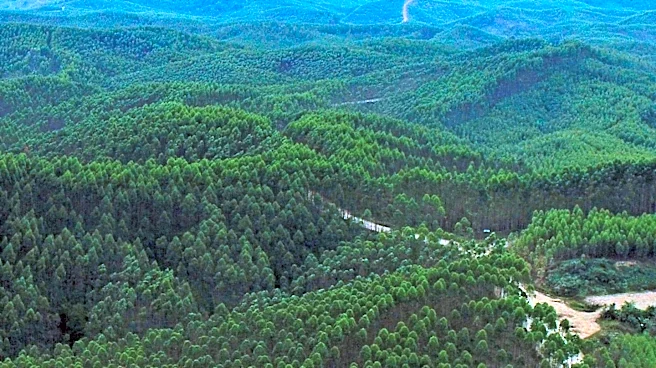
American Forest Management (AFM) Real Estate is presenting a unique opportunity to acquire approximately 599 acres of land in Charlotte County, Virginia, known as the Burwell Tract. This property is characterized by its productive timberland, diverse
wildlife habitat, and significant recreational potential. The tract features multiple age classes of loblolly pine plantations, including 86 acres planted in 2020, 240 acres planted in 2021, and an additional 45 acres of recently planted loblolly pines. Furthermore, 86 acres consist of merchantable mixed timber. A notable aspect of the property is that approximately 133 acres are located within a Stream Management Zone (SMZ), contributing to environmental and wildlife benefits. The property is protected by a conservation easement designed to promote forestry while safeguarding agricultural and open-space values, which may place limitations on development but ensures long-term preservation of its rural character.
Why It's Important?
This offering is significant for timber investors, sportsmen, and outdoor enthusiasts seeking large rural holdings with long-term forestry potential in the U.S. The diverse timber inventory, with various age classes of loblolly pines and merchantable mixed timber, provides a strong foundation for future timber management and investment, offering flexibility for harvesting and sustained yield. The presence of a conservation easement ensures the property's continued use for forestry and agriculture, aligning with broader environmental conservation goals while still allowing for economic activity. For the forest products sector, such properties are crucial for maintaining a sustainable supply of raw materials. The excellent hunting and recreational opportunities also contribute to the local economy through tourism and related services, making this a valuable asset for both economic and ecological reasons in rural Virginia.
What's Next?
Prospective buyers will likely engage in due diligence, including professional timber cruises or forestry evaluations, to assess the precise value and potential of the timber resources. Given the conservation easement, buyers will need to understand the specific limitations and benefits associated with it, particularly regarding development and certain activities. The property's appeal to timber investors suggests future forest management plans will be developed, focusing on sustainable harvesting and replanting to maximize long-term yield. For recreational users, the next steps would involve establishing private hunting and recreational retreats, potentially including the development of food plots, hunting locations, and trails, all while adhering to the conservation easement's guidelines. The sale of this tract will contribute to the ongoing land transactions within the U.S. timber and recreational real estate markets.
Beyond the Headlines
The sale of the Burwell Tract underscores a growing trend in the U.S. where large land parcels are being valued not only for their immediate economic output, such as timber, but also for their ecological services and recreational potential. The conservation easement on this property highlights a broader societal shift towards balancing economic development with environmental preservation. Such easements ensure that land remains productive for forestry and agriculture while protecting critical habitats and open spaces, contributing to regional biodiversity and climate resilience. This approach can serve as a model for sustainable land management, demonstrating how private land ownership can align with public environmental goals. The long-term implications include the continued provision of ecosystem services, support for rural economies, and the preservation of natural landscapes for future generations, reflecting a more holistic view of land value beyond mere commodity production.