






What's Happening?
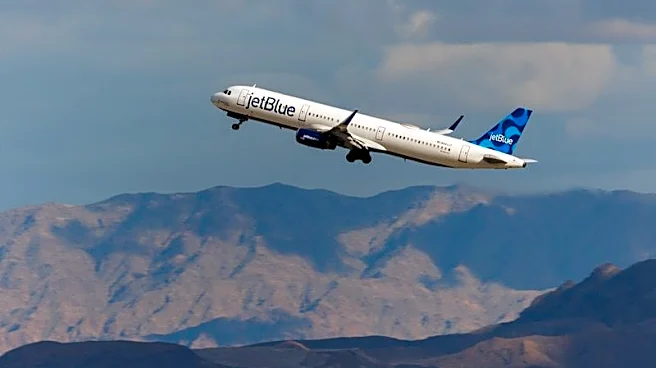
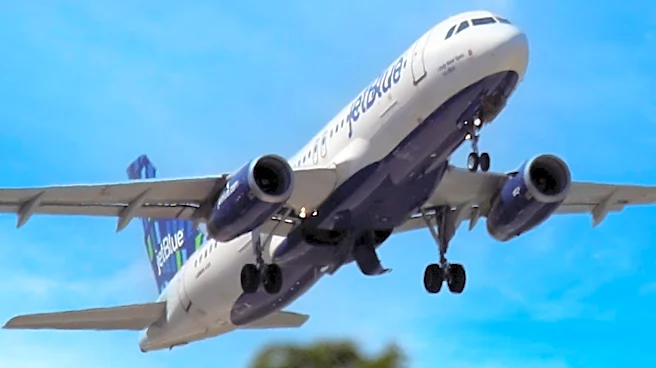
JetBlue Airways, a publicly traded airline on NASDAQ under the ticker JBLU since its 2002 IPO, is known for providing affordable flights. The company, headquartered in Long Island City, New York, emphasizes a customer-centric approach by including various
amenities in its standard 'Main' experience. These amenities encompass free high-speed Wi-Fi for all travelers on every aircraft, complimentary live TV and movies at each seat, and free brand-name snacks and drinks. JetBlue also offers multiple customer support options, including a dedicated phone number for urgent travel assistance. The airline encourages direct bookings through its website or app, guaranteeing the best fares and offering greater flexibility for managing travel plan changes. Additionally, direct bookings allow customers to earn bonus TrueBlue points for future award travel and 'tiles' towards 'Perks You Pick' rewards. Customers can utilize TrueBlue points for bookings, or combine points with cash for 'Cash + Points' bookings, even with as few as 500 points.
Why It's Important?
JetBlue's business model, focusing on combining low fares with a comprehensive suite of in-flight amenities, significantly impacts the U.S. airline industry. By offering free Wi-Fi, live entertainment, and snacks, JetBlue differentiates itself from competitors who often charge extra for these services, potentially influencing consumer expectations across the sector. This strategy could pressure other airlines to enhance their basic offerings or adjust pricing to remain competitive, benefiting U.S. consumers by providing more value for their air travel. The emphasis on direct booking also strengthens JetBlue's relationship with its customer base, potentially reducing reliance on third-party booking platforms and allowing the airline more control over its pricing and customer service. The TrueBlue loyalty program, with its flexible points redemption options, incentivizes repeat business and fosters customer loyalty, which is crucial in the highly competitive airline market.
What's Next?
JetBlue is likely to continue leveraging its direct booking channels and loyalty program to attract and retain customers. The airline's commitment to in-flight amenities suggests a sustained focus on enhancing the passenger experience, which could lead to further innovations in service offerings. As the airline industry evolves, JetBlue's approach may influence broader trends in how carriers compete for market share, particularly concerning the balance between fare affordability and included services. The ongoing development of its TrueBlue program and 'Perks You Pick' could see new benefits introduced to further incentivize direct engagement and customer loyalty. The company will also need to continuously adapt its strategies to respond to market dynamics, fuel price fluctuations, and evolving consumer preferences to maintain its competitive edge.
Beyond the Headlines
JetBlue's strategy highlights a broader shift in consumer expectations within the travel industry, where value is increasingly defined not just by price but also by the quality and inclusivity of services. The airline's success in integrating premium amenities into a low-fare model challenges the traditional unbundling trend prevalent in the industry, where airlines charge separately for almost every service. This approach could foster a more holistic view of customer satisfaction, where the entire travel experience, from booking to arrival, is considered. Furthermore, the emphasis on direct booking and loyalty programs reflects a strategic move to own the customer relationship, gathering valuable data and enabling more personalized marketing and service delivery. This could lead to a more data-driven and customer-centric future for the U.S. airline sector, potentially reshaping how airlines design their products and interact with their passengers.