








What's Happening?
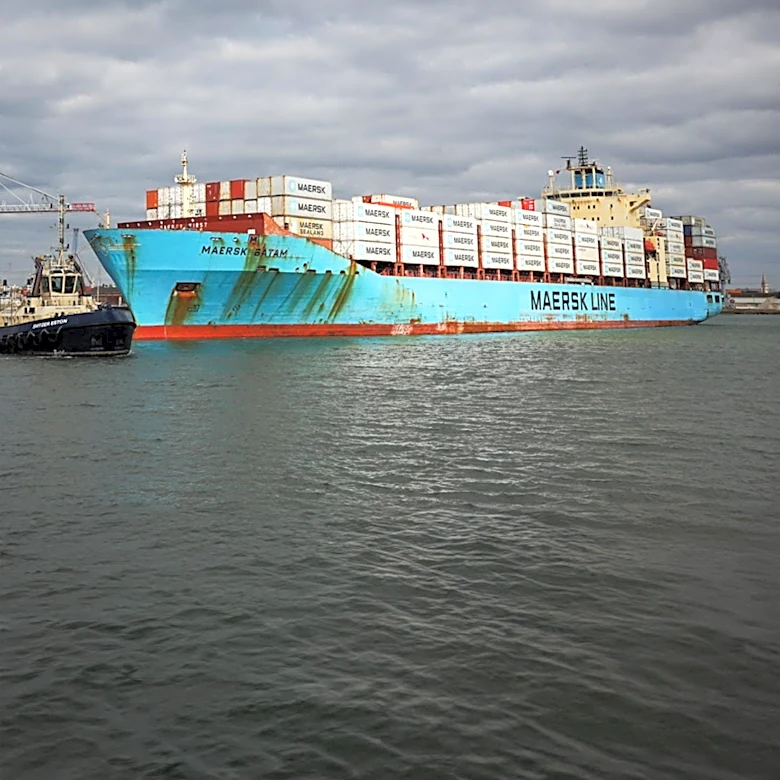
U.S. crude prices briefly fell below $70 a barrel as tanker movements through the Strait of Hormuz resumed, despite low inventories at the Cushing, Oklahoma storage hub. Stocks at Cushing have dropped to their lowest level in 12 years, with inventories falling
to about 19 million barrels. The price of West Texas Intermediate crude traded as low as $69.63 before settling at $70.34. The decline in prices is attributed to sentiment-driven selling, with traders pushing futures lower in hopes of capitalizing on a rebound. The U.S. government's release of oil from strategic reserves has helped limit price spikes.
Why It's Important?
The decline in U.S. oil prices, despite low storage levels, highlights the complex dynamics of the oil market. The resumption of shipments through the Strait of Hormuz is a positive development for global supply, but the low inventories at Cushing indicate potential supply constraints. For the U.S., lower oil prices can benefit consumers and businesses by reducing energy costs. However, the situation also underscores the importance of maintaining adequate storage levels to ensure energy security.
What's Next?
Market participants will be closely monitoring inventory levels at Cushing and other storage hubs to assess supply conditions. The potential for further releases from strategic reserves may also be considered to stabilize prices. Additionally, the impact of geopolitical developments on oil supply and prices will continue to be a key focus for stakeholders. Efforts to increase domestic production and improve storage infrastructure may be necessary to address potential supply challenges.