




What's Happening?
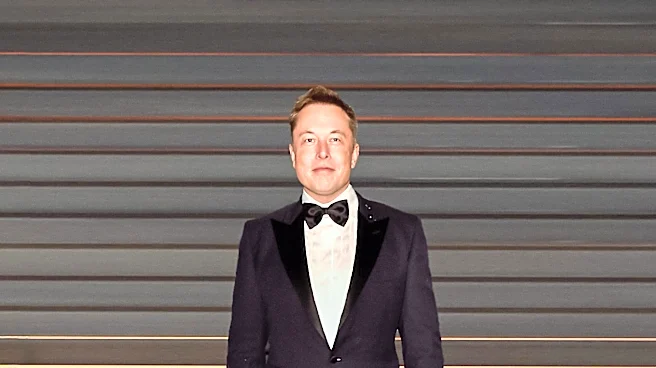
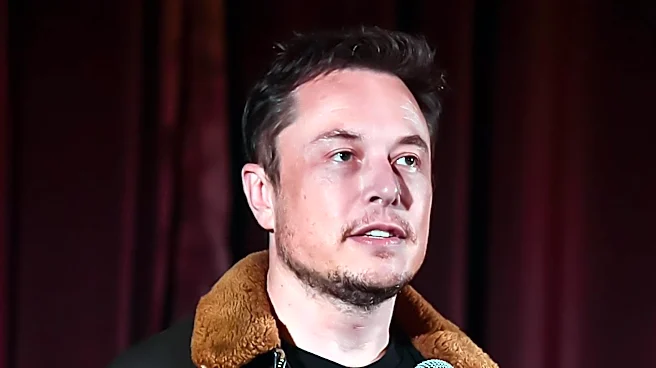
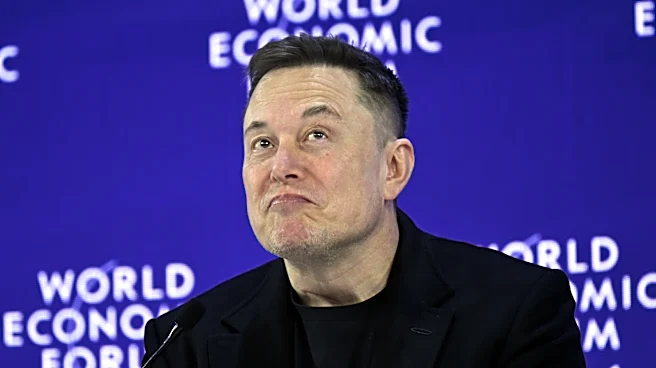
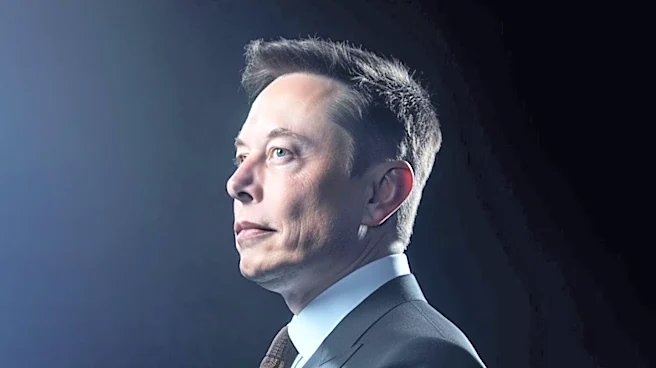
Elon Musk has announced plans to produce a full-length AI-generated film adaptation of 'The Odyssey' by the end of the year. This announcement follows Musk's sharing of a three-minute AI-generated clip depicting scenes from the classic tale. The clip,
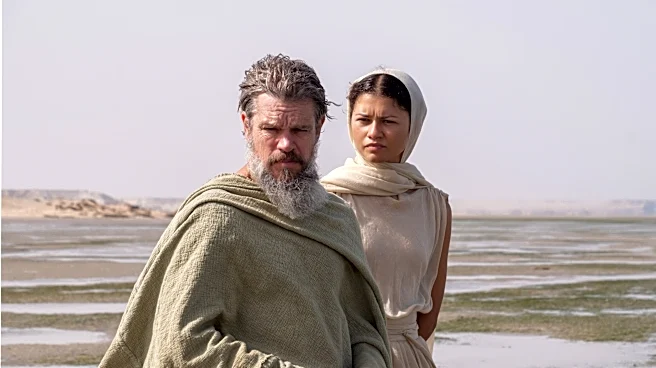
created by an AI content entrepreneur, has sparked discussions about cultural appropriation and historical accuracy. Musk's followers have criticized the current film adaptation by Christopher Nolan for its diverse casting, labeling it a 'desecration' of Western literature. The AI-generated clip has been met with mixed reactions, with some questioning the use of AI in preserving cultural heritage.
Why It's Important?
The announcement highlights ongoing debates about the role of AI in creative industries and cultural preservation. Musk's project raises questions about the authenticity and integrity of AI-generated content, especially in adapting classic literature. The controversy also reflects broader cultural tensions, as diverse casting in films has been a point of contention in recent years. The use of AI in this context could influence future film productions and the way cultural narratives are constructed and consumed. It also underscores the potential for AI to disrupt traditional filmmaking processes and the cultural implications of such shifts.
What's Next?
As Musk's project progresses, it is likely to attract further scrutiny from cultural critics, filmmakers, and AI ethicists. The film's release could set a precedent for future AI-generated adaptations of classic works, potentially influencing industry standards and audience expectations. Stakeholders in the film industry may need to address ethical considerations and establish guidelines for AI use in creative processes. Additionally, the project's reception could impact public perception of AI's role in cultural production and preservation.