




What's Happening?
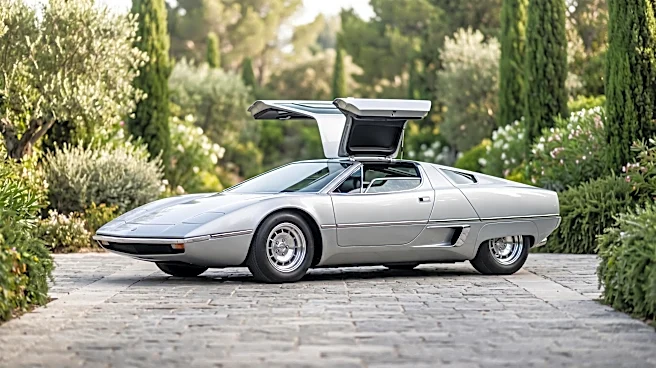
The Mercedes-Benz C 111-II, a legendary experimental vehicle from the 1970s, is being offered for public acquisition for the first time. This particular model, Wagen 33, was a key part of Mercedes-Benz's experimental fleet, used for various tests including
luggage compartment temperature assessments and fluidic element testing for its sill-mounted fuel tanks. The C 111 series, known for its futuristic wedge design, gullwing doors, and Wankel rotary engine, was initially developed as a super sports car to showcase advanced automotive propulsion and design. Despite overwhelming public interest and numerous blank-check offers at the time of its debut in 1969 and 1970, Mercedes-Benz famously declared the C 111 'strictly not for sale.' Only 17 examples of the C 111 were built, with just 13 remaining, all previously retained by the factory collection. Wagen 33, after decades in museum display and recent recommissioning, was showcased at events like the Pebble Beach Concours d’Elegance and the Formula 1 British Grand Prix, reigniting public interest before its unprecedented offering.
Why It's Important?
The availability of a Mercedes-Benz C 111-II for public purchase marks a significant moment in automotive history and for high-end collectors. This vehicle represents a pinnacle of experimental engineering and design from its era, influencing subsequent supercar aesthetics and pioneering computer-aided engineering practices. Its original refusal for sale, despite immense demand, cemented its mythical status among enthusiasts and collectors. The C 111's story highlights the challenges automakers faced in balancing innovation with regulatory compliance, particularly regarding U.S. emissions and safety standards of the 1970s, which ultimately prevented its series production. The sale of Wagen 33 could set new benchmarks in the collector car market for historically significant prototypes, reflecting the enduring value placed on automotive heritage and rare, influential designs. It also underscores Mercedes-Benz's legacy of pushing technological boundaries, even with projects that never reached mass production.
What's Next?
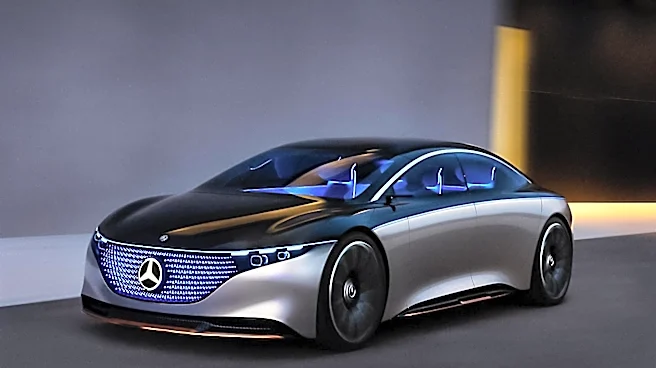
The immediate next step is the acquisition process for Wagen 33, which is expected to draw significant attention from global collectors and automotive museums. Its sale will likely be a high-profile event, potentially setting new records for prototype vehicle valuations. Following its acquisition, the new owner will possess a unique piece of automotive history, which could lead to further public appearances at prestigious car shows or private collections. For Mercedes-Benz, this sale could further enhance the brand's prestige by demonstrating the enduring allure and historical significance of its experimental vehicles. The C 111's legacy continues to inspire, as evidenced by the 2023 Mercedes-Benz Vision One-Eleven concept, suggesting that the design and engineering principles explored in the C 111 will continue to influence future automotive developments, particularly in the realm of electric propulsion.
Beyond the Headlines
The offering of the C 111-II goes beyond a mere transaction; it represents a shift in how manufacturers manage and release their historical prototypes. For decades, these vehicles were kept within corporate collections, serving as symbols of innovation and heritage. The decision to release Wagen 33 to the public could signal a new trend where historically significant, non-production vehicles become accessible to private collectors, potentially democratizing access to automotive history. This move also highlights the evolving value of 'unobtainable' objects in the collector market, where rarity and historical narrative often command higher premiums than production models. Furthermore, the C 111's story serves as a powerful reminder of the impact of regulatory environments on automotive innovation, particularly how stringent U.S. standards in the 1970s shaped vehicle development and market availability, even for groundbreaking designs.