

What's Happening?
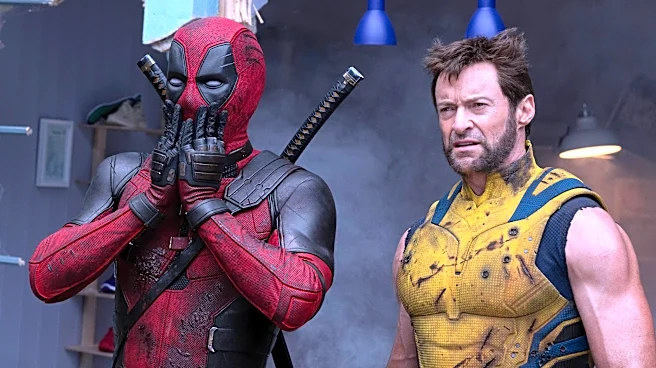
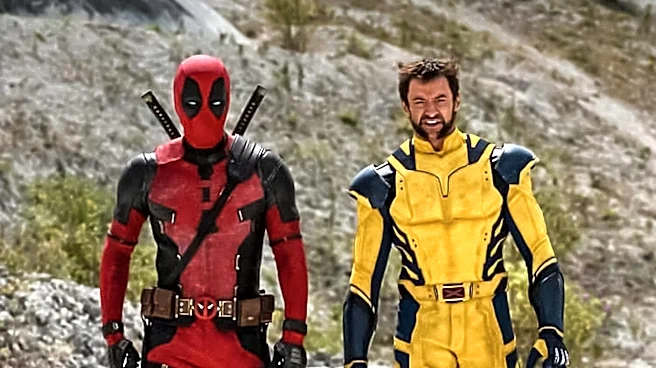
Ryan Reynolds and Hugh Jackman have been listed among the 10 writers credited for 'Avengers: Doomsday' in the Writers Guild of America directory. Their credits are specifically for 'additional literary material.' This development has sparked widespread
speculation among fans that their characters, Deadpool and Wolverine, might appear in the upcoming Marvel film. While Reynolds has prior writing credits for 'Deadpool 2' and 'Deadpool & Wolverine,' this marks Jackman's first official writing credit in the WGA directory. The film, set to be released on December 18, 2026, has a complex writing history, with Marvel veterans Stephen McFeely and Michael Waldron credited for the screenplay. Directors Joe and Anthony Russo have indicated that the script evolved during filming, necessitating a large writing team. The film is expected to integrate characters from various Marvel properties and introduce new elements like Robert Downey Jr.'s Dr. Doom and a new X-Men team.
Why It's Important?
The inclusion of Ryan Reynolds and Hugh Jackman in the writing credits for 'Avengers: Doomsday' is significant for several reasons within the entertainment industry. Firstly, it intensifies anticipation for the film, potentially drawing in a broader audience eager to see if their beloved characters, Deadpool and Wolverine, will make an appearance. This could translate into higher box office revenue and increased engagement for Marvel Studios. Secondly, it highlights the evolving nature of major blockbuster productions, where scripts are often dynamic and require contributions from multiple writers, especially with A-list actors involved. This collaborative approach, while common, is rarely as publicly visible, offering a glimpse into the creative process of large-scale cinematic universes. Lastly, for Jackman, this marks a new professional milestone, potentially opening doors for future writing opportunities beyond his acting career. The speculation itself generates considerable buzz, serving as a powerful marketing tool for Disney and Marvel.
What's Next?
The immediate next step will likely involve continued speculation and close monitoring of any official announcements from Marvel Studios or Disney regarding the cast and plot details of 'Avengers: Doomsday.' While the writing credits do not confirm the appearance of Deadpool and Wolverine, the ongoing discussion will keep the film in the public consciousness leading up to its December 18, 2026 release. Fans will be dissecting every trailer, interview, and promotional material for clues. The directors, Joe and Anthony Russo, may face questions about the extent of Reynolds' and Jackman's contributions and whether their characters will be featured. The film's complex narrative, aiming to bring back characters from 'Avengers: Endgame,' introduce new villains, and integrate other Marvel properties, suggests that any potential appearances by Deadpool and Wolverine would be carefully woven into the broader storyline. The success of 'Deadpool & Wolverine' in 2024 could also influence decisions regarding their roles in future Marvel projects.
Beyond the Headlines
Beyond the immediate speculation, the writing credits for 'Avengers: Doomsday' touch upon broader implications within the film industry, particularly concerning intellectual property and creative control. The involvement of actors like Reynolds and Jackman in the writing process, even for 'additional literary material,' suggests a growing trend where established stars seek more creative input into the characters they portray. This could lead to more actor-driven narratives and potentially shift power dynamics within major studios. Ethically, it raises questions about the transparency of writing credits and how contributions are valued, especially when a film has a large team of writers. Culturally, the continuous integration of characters across different Marvel franchises reflects the ongoing expansion of cinematic universes, aiming to create a cohesive yet diverse narrative tapestry. This strategy aims to maintain audience engagement by constantly introducing familiar faces in new contexts, but also risks oversaturation if not managed carefully.