






What's Happening?
Recent advancements in FDM (Fused Deposition Modeling) 3D printer filaments are introducing a range of unusual and innovative materials. [Zack Freedman] showcased several of these unique filaments, moving beyond standard cosmetic variations to include
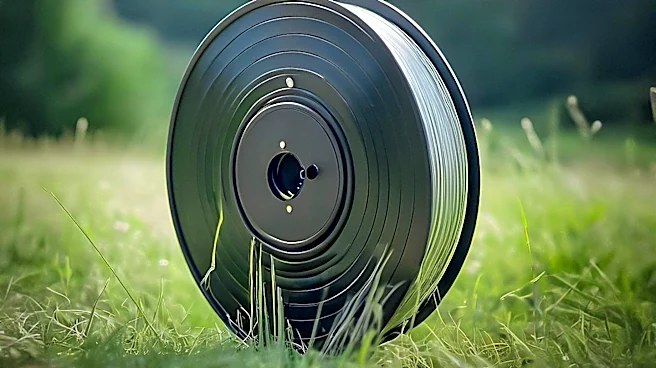
highly functional and even bizarre properties. Among the notable examples are CMYK filament sets designed for full-color printing, very silky PETG, and foamy TPU and TPE. More unconventional filaments include 'Timeplast,' which can function as both soap and fish food. Other developments feature filaments engineered to be the 'blackest' possible, materials that mimic paper, and those made from recycled landfill trash. Some filaments are designed to emit strong scents, such as lemon to deter flies, or pumpkin spice for seasonal aromatic prints. This expansion in filament types highlights a growing trend towards specialized and multi-functional materials in 3D printing.
Why It's Important?
The introduction of these novel 3D printer filaments signifies a shift in the additive manufacturing industry, moving beyond basic prototyping and aesthetic applications towards more functional and sustainable uses. Filaments that double as soap or fish food could open new avenues for biodegradable products and waste reduction, potentially impacting environmental initiatives and consumer goods markets. The development of filaments from landfill trash directly addresses concerns about plastic waste and promotes circular economy principles within manufacturing. Scented filaments, while seemingly niche, could find applications in specialized consumer products or sensory experiences. These innovations push the boundaries of what 3D printing can achieve, offering manufacturers and hobbyists alike a broader palette of materials with diverse properties, which could lead to new product categories and more sustainable production methods.
What's Next?
The continued development and commercialization of these specialized filaments are expected. Manufacturers will likely explore further applications for materials like Timeplast, potentially leading to new biodegradable packaging solutions or niche agricultural products. Research into sustainable filaments made from recycled waste will likely intensify, aiming to improve material properties and reduce production costs, making them more accessible for widespread adoption. The market may also see an increase in demand for filaments with specific sensory properties, driving further innovation in scented or textured materials for consumer products. As these technologies mature, regulatory bodies may begin to establish standards for the biodegradability and safety of such multi-functional filaments, especially those intended for environmental or biological interaction.
Beyond the Headlines
Beyond their immediate utility, these unusual filaments raise broader questions about material science and sustainable manufacturing. The concept of a single material serving multiple, disparate functions (like soap and fish food) challenges traditional notions of material design and product lifecycle. This could lead to a re-evaluation of how products are designed, used, and disposed of, fostering a more integrated approach to material engineering. The use of landfill trash as a raw material for filaments underscores a growing ethical imperative within manufacturing to address environmental impact, potentially inspiring other industries to adopt similar waste-to-product strategies. Furthermore, the sheer variety of these filaments reflects a creative and experimental spirit within the 3D printing community, pushing the boundaries of what is considered 'normal' or 'practical' in material science.