




What's Happening?
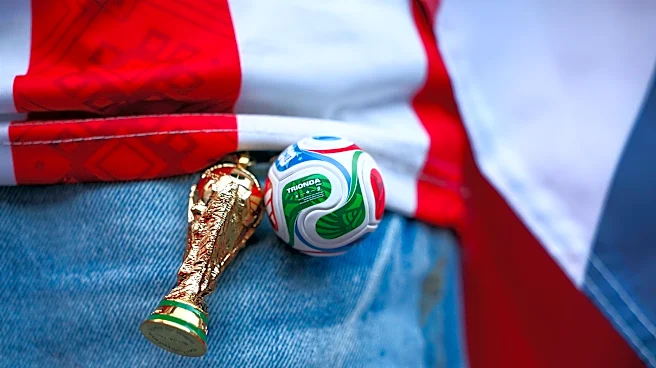
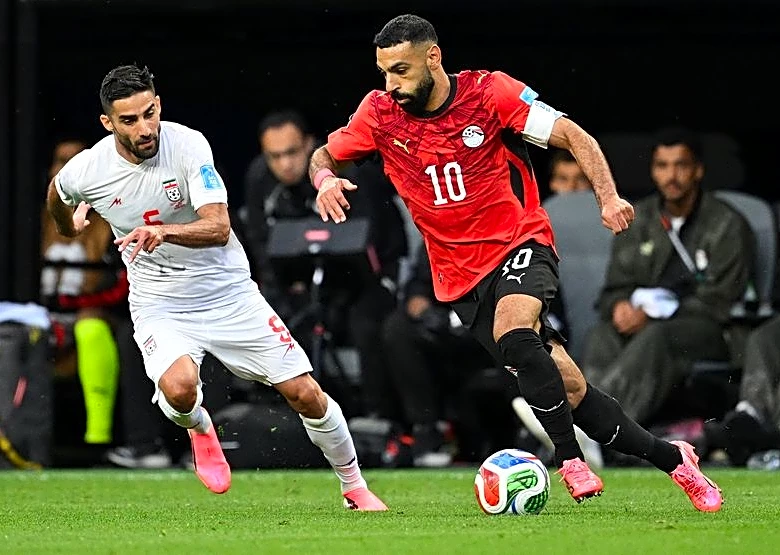
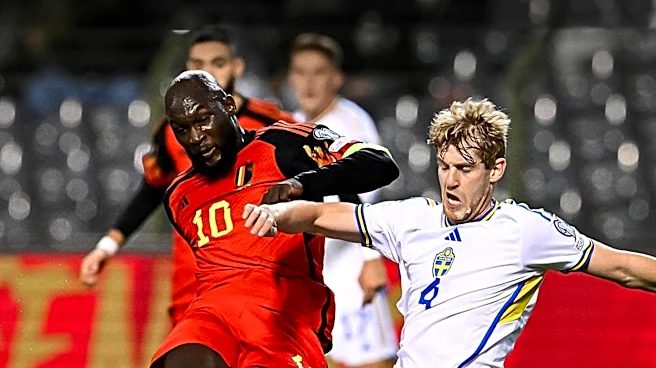
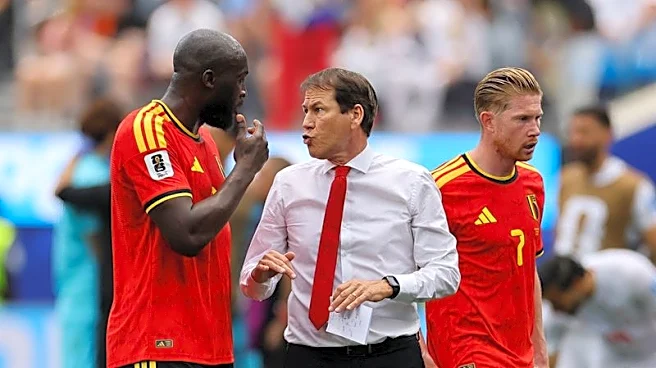
The 2026 FIFA World Cup is set to be a landmark event with an expanded field of 48 teams and 104 matches, taking place across North America. Group G features Belgium, Egypt, Iran, and New Zealand, each bringing unique strengths to the tournament. Belgium, ranked
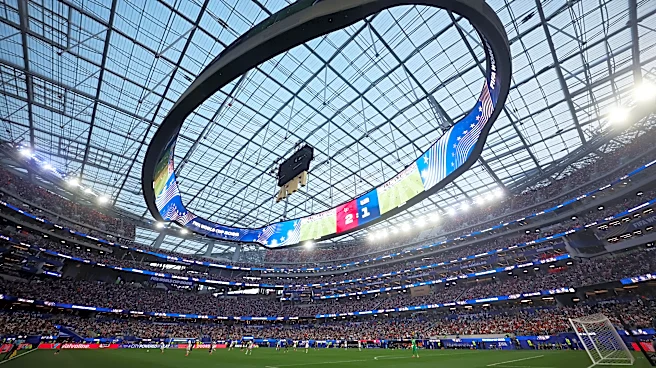
9th in the world, is looking to capitalize on its experienced players like Kevin De Bruyne and Romelu Lukaku. Egypt, led by Mohamed Salah, aims to reassert its dominance in African and Arab football. Iran, with a strong qualifying performance, is not to be underestimated, while New Zealand, the lowest-ranked team in the group, hopes to challenge its more illustrious opponents. The group stage matches will be held in various locations, including Seattle, Inglewood, and Vancouver.
Why It's Important?
The 2026 World Cup represents a significant moment for international football, with the expanded format allowing more teams to participate, potentially increasing global interest and viewership. For the U.S., hosting matches provides economic benefits through tourism and international exposure. The performance of teams like Belgium and Egypt could influence their future rankings and football development strategies. Additionally, the tournament offers a platform for players to showcase their talents on a global stage, potentially impacting their careers and the clubs they represent.
What's Next?
As the tournament progresses, teams will aim to advance beyond the group stage, with the top two teams from each group and the best third-placed teams moving to the knockout rounds. The outcomes of these matches will determine the path to the finals, with potential high-stakes encounters between top-ranked teams. Stakeholders, including national football associations and sponsors, will closely monitor performances, which could influence future investments and strategic decisions in the sport.