

What's Happening?
M+, a Hong Kong museum, has finalized a tripartite alliance with New York’s Museum of Modern Art (MoMA) and Paris’ Centre Pompidou. This formal pact, signed on October 31, 2026, ahead of M+'s fifth anniversary on November 12, will enable the three institutions
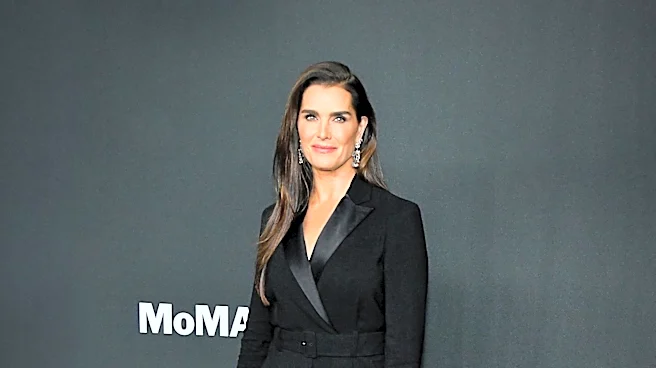
to share collections and programming on an equal footing. The agreement was celebrated with a fundraising gala attended by prominent cultural figures and MoMA board members and trustees. M+ director Suhanya Raffel highlighted the alliance as a significant step in the museum's global ambitions and its strategy for navigating political considerations. This collaboration marks a notable expansion of M+'s international partnerships, positioning it alongside two of the world's leading modern art museums.
Why It's Important?
This alliance is important for the U.S. cultural landscape as it signifies a deeper integration of American art institutions with global counterparts. MoMA's participation in this pact could lead to an increased exchange of modern art collections and exhibitions between New York and Hong Kong, enriching the cultural offerings available to American audiences. It also provides MoMA with an expanded platform for its collections and curatorial expertise in Asia, potentially fostering greater international dialogue and understanding through art. For M+, gaining equal footing with established institutions like MoMA enhances its global standing and influence, which could attract more international visitors and collaborations, indirectly benefiting the broader art market and cultural tourism in the U.S. through reciprocal interest and engagement.
What's Next?
The immediate next steps involve the implementation of shared collections and programming between M+, MoMA, and Centre Pompidou. This could lead to new exhibitions, joint research initiatives, and educational programs that span across these three major cultural hubs. The alliance is expected to foster a more interconnected global art scene, potentially influencing future curatorial practices and collection development at MoMA. Over time, this collaboration may also serve as a model for other international museum partnerships, encouraging further cross-cultural exchanges and strengthening the global network of art institutions. The success of this pact could also influence funding and philanthropic efforts in the arts, as donors may be drawn to support initiatives with such broad international reach and impact.
Beyond the Headlines
Beyond the immediate benefits of shared resources, this tripartite alliance carries deeper implications for the global art world, particularly concerning the evolving dynamics of cultural influence. The inclusion of M+ on equal footing with MoMA and Centre Pompidou suggests a shift in the perceived centers of modern art, acknowledging Hong Kong's growing prominence. This collaboration could also spark discussions about the role of museums in navigating geopolitical sensitivities, as M+ operates within a complex political environment. The sharing of collections and programming could lead to a more diverse and inclusive representation of modern art, challenging traditional Western-centric narratives and fostering a more global perspective on artistic movements and cultural heritage. It also highlights the increasing importance of international partnerships in sustaining and expanding cultural institutions in an interconnected world.