

What's Happening?
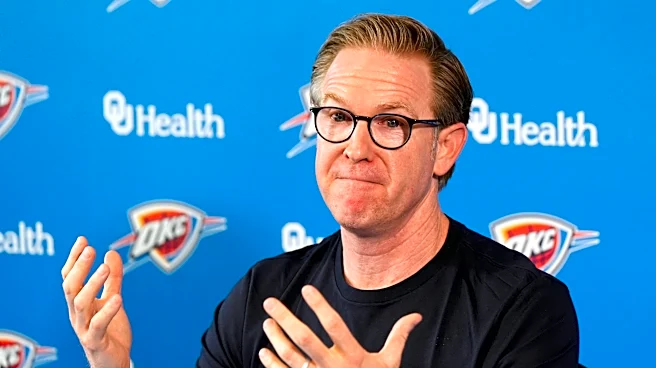
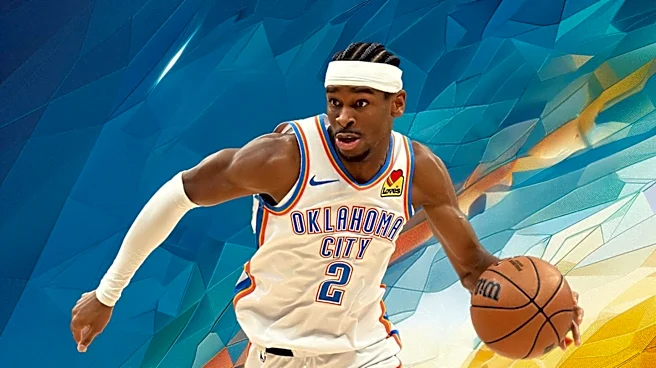
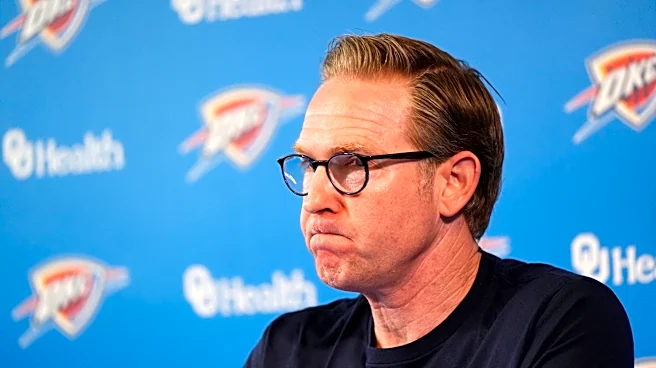
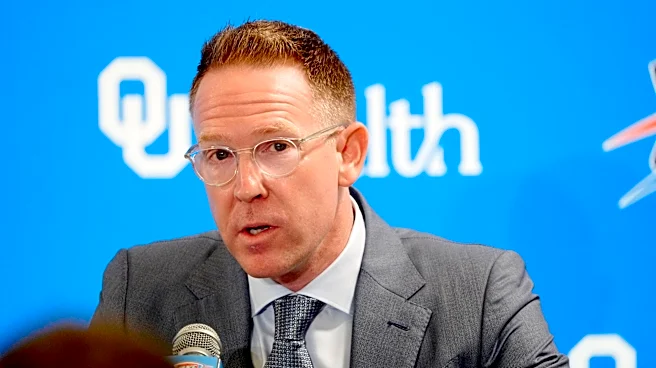
Mark Daigneault, head coach of the Oklahoma City Thunder, is exploring a strategic shift that could see star player Shai Gilgeous-Alexander (SGA) taking on fewer ball-handling responsibilities. This consideration stems from SGA's experience with the Canadian
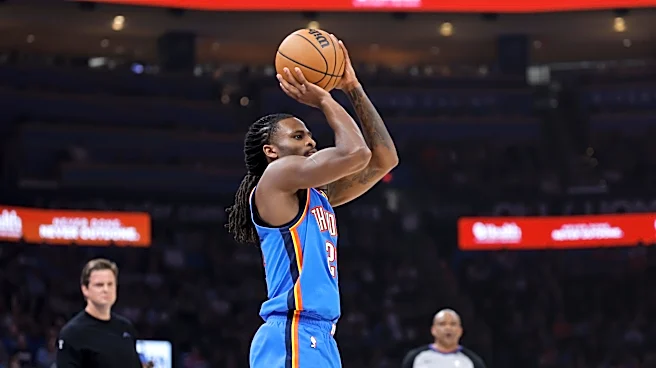
national team, where he requested less on-ball time, allowing other players like Andrew Nembhard and Nickeil Alexander-Walker to handle the ball more. This adjustment reportedly made SGA more difficult to guard, as defenses struggled to contain him when he operated off-ball. During his time with Team Canada, Gilgeous-Alexander attempted significantly more corner three-pointers and shots off screens compared to his NBA regular season and playoff statistics. The Thunder's roster, which includes secondary ball-handlers like Jalen Williams, Ajay Mitchell, Jared McCain, Cason Wallace, and Nikola Topic, provides the flexibility to implement such a change. Daigneault has previously stated that the regular season is a period for experimentation, suggesting this new approach could be tested to optimize the team's offensive flow and prevent SGA from being overburdened, especially during crucial playoff stages.
Why It's Important?
This potential strategic adjustment by Coach Daigneault could significantly impact the Oklahoma City Thunder's offensive dynamics and overall team performance. By diversifying ball-handling duties, the Thunder aims to create a more unpredictable and potent offense, making it harder for opposing defenses to key in on a single player. This move could also alleviate the heavy offensive burden on Shai Gilgeous-Alexander, potentially preserving his energy and efficiency throughout a long season and into the playoffs. In the previous postseason, SGA's efficiency was reportedly affected by increased creation responsibilities following Jalen Williams' injury. Empowering other players to handle the ball more could foster their development and confidence, creating a more balanced and resilient team. For the NBA, this could represent an evolving trend in offensive strategy, where star players are utilized in more varied roles to maximize their impact and extend their careers, moving away from a sole 'point guard' role for primary scorers.
What's Next?
The Oklahoma City Thunder is expected to use the upcoming regular season as a testing ground for this new offensive strategy. Coach Daigneault's past statements indicate a willingness to experiment with different lineups and roles to understand what works best for the team. This could involve increased minutes and ball-handling opportunities for players like Jalen Williams, Ajay Mitchell, Jared McCain, Cason Wallace, and Nikola Topic. The team's recent draft additions, Bennett Stirtz and Aday Mara, who possess strong playmaking and passing abilities, could also play a role in facilitating this shift. The success of this experiment will likely be measured by the team's offensive efficiency, player development, and overall performance, particularly as they approach the playoffs. The goal is to ensure that Shai Gilgeous-Alexander remains a dominant force without being overtaxed, ultimately aiming for deeper playoff runs.
Beyond the Headlines
The proposed shift in Shai Gilgeous-Alexander's role highlights a broader philosophical discussion in modern basketball about player utilization and load management, especially for high-usage stars. Moving SGA off-ball more frequently could extend his career by reducing the physical toll of constant ball-handling and creation. It also underscores the growing importance of versatile rosters where multiple players can initiate offense, making teams less reliant on a single playmaker. This strategy could set a precedent for other NBA teams with star-centric offenses, encouraging them to explore more collaborative and dynamic offensive schemes. Ethically, it reflects a coaching philosophy that prioritizes long-term player health and team success over individual statistics, aiming to create a sustainable championship contender rather than just a high-scoring individual. Culturally, it challenges the traditional notion of a 'franchise player' as solely a primary ball-handler, embracing a more fluid and adaptable approach to offensive leadership.