




What's Happening?
Active recovery is a recommended strategy for individuals experiencing mild muscle soreness after a workout. This approach involves engaging in low-intensity physical activities such as walking, cycling, yoga, or swimming. The primary goal of active recovery is to
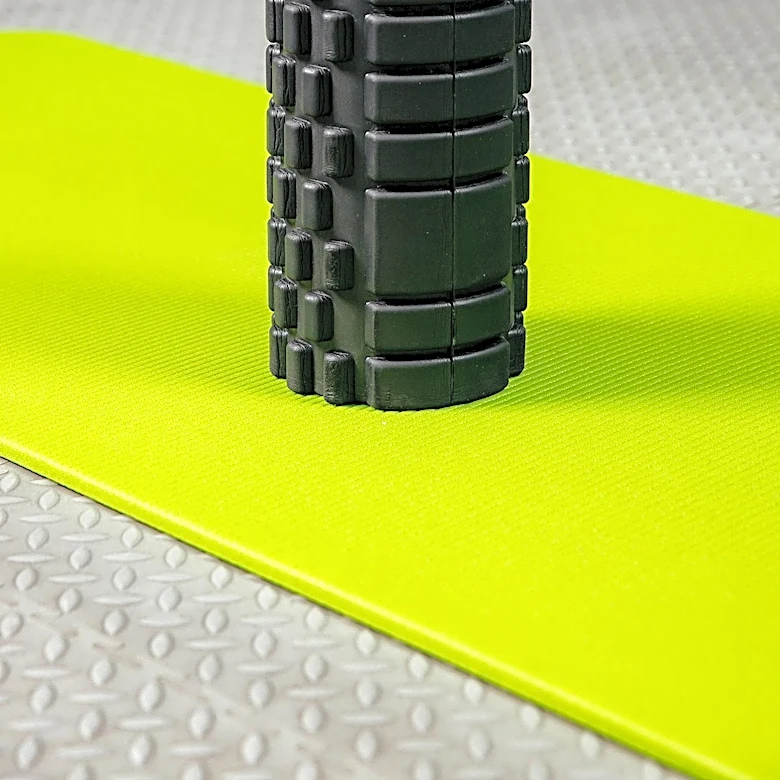
enhance blood flow to the muscles, which helps in reducing stiffness and flushing out metabolic waste products that contribute to soreness. It is considered safe and beneficial when the soreness is mild, aiding in the muscle repair and recovery process. Experts suggest reducing exercise intensity by 30-50% during active recovery sessions to prevent overexertion and prolonged burnout, especially when muscles are already fatigued. This method is part of a broader, sustainable recovery routine that also includes essential elements like proper nutrition, adequate hydration, sufficient sleep, and occasional techniques such as foam rolling or massage. The distinction between mild soreness and sharp pain is crucial; active recovery is suitable only for the former, while sharp or persistent pain necessitates rest to avoid injury.
Why It's Important?
The emphasis on active recovery highlights a shift in understanding post-workout muscle soreness, moving away from complete rest as the sole solution for mild discomfort. This approach is important for individuals in the U.S. fitness community, from casual exercisers to dedicated athletes, as it promotes consistent engagement in physical activity while prioritizing bodily well-being. By facilitating quicker recovery, active recovery can help maintain workout consistency, reduce the risk of overtraining, and prevent the stagnation of progress often associated with prolonged inactivity due to soreness. For the fitness industry, this means a greater focus on diverse, low-impact activities and recovery-focused programming. For individuals, it empowers them to make informed decisions about their training, fostering a more sustainable and injury-preventing fitness journey. The ability to differentiate between beneficial soreness and pain requiring rest is critical for long-term physical health and performance.
What's Next?
As awareness of active recovery grows, there is likely to be an increased integration of these low-intensity activities into standard fitness routines and training programs across the U.S. Fitness centers and personal trainers may further emphasize and design specific active recovery sessions, such as guided yoga, light cardio, or mobility classes, to support their clients' overall well-being and performance. Educational initiatives will continue to play a vital role in teaching individuals how to distinguish between mild soreness suitable for active recovery and pain that requires complete rest or professional medical attention. Furthermore, the market for recovery-focused products and services, including specialized equipment for foam rolling, massage, and even nutritional supplements aimed at muscle repair, may see continued growth as more people adopt comprehensive recovery strategies. The ongoing development of wearable technology could also offer more personalized guidance on optimal recovery methods based on individual physiological responses.
Beyond the Headlines
Beyond its immediate benefits for muscle recovery, the concept of active recovery reflects a broader cultural shift towards a more holistic and mindful approach to health and fitness in the U.S. It underscores the understanding that physical well-being is not solely about intense exertion but also about intelligent self-care and listening to one's body. This perspective challenges the 'no pain, no gain' mentality, promoting a more balanced and sustainable relationship with exercise. Ethically, it encourages individuals to prioritize long-term health over short-term performance gains, potentially reducing the prevalence of overuse injuries and burnout. Socially, it could lead to a greater appreciation for diverse forms of movement, expanding the definition of 'exercise' to include gentler, restorative practices. This evolving mindset may also influence public health campaigns, advocating for recovery as an integral component of a healthy lifestyle, thereby fostering a more resilient and health-conscious population.