
What's Happening?
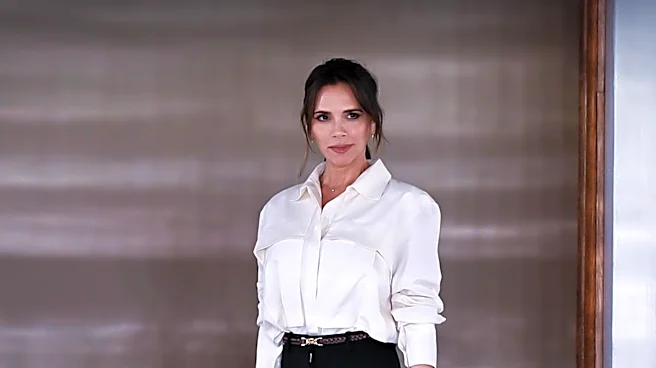
Victoria Beckham has officially transferred the UK trademark rights for her son Brooklyn Beckham's name to him. This transfer, which occurred on November 17, comes nearly a decade after she initially applied
for the trademark in December 2016 when Brooklyn was 17. The move is seen as an olive branch from Victoria, who has reportedly had limited contact with her eldest son for almost two years. Earlier this month, Victoria completed paperwork to hand over trademarks to all three of her adult sons: Brooklyn, Romeo, and Cruz. She had previously secured similar trademarks for all her children, including daughter Harper, to prevent unauthorized commercial use of their names. The family dispute became public in January when Brooklyn, 27, criticized his parents in an Instagram post, accusing them of prioritizing 'Brand Beckham' and attempting to undermine his relationship with his now-wife, Nicola Peltz, 31. He alleged that his parents pressured and tried to bribe him into signing away his name rights before his 2022 wedding.
Why It's Important?
This trademark transfer holds significant personal and professional implications for Brooklyn Beckham. Personally, it signals a potential thawing in the strained relationship between him and his mother, Victoria, suggesting a move towards reconciliation within the high-profile Beckham family. Such public family disputes can impact personal brands and public perception, so a resolution could benefit all parties. Professionally, owning the trademark for his full name grants Brooklyn complete control over its commercial use across various categories, including clothing, sportswear, cosmetics, toys, TV shows, and music. This newfound control allows him to fully leverage his name for his own ventures, such as his Cloud23 hot sauce brand, without needing parental consent or facing potential legal hurdles. For public figures, control over one's personal brand and intellectual property is crucial for career development and financial independence, especially when navigating a legacy as prominent as the Beckham name.
What's Next?
The immediate next step for Brooklyn Beckham will likely involve leveraging his newly acquired trademark rights to expand his personal brand and business ventures, such as his Cloud23 hot sauce. With full control over his name, he can now more freely engage in endorsements, product lines, and media projects. For the Beckham family, this transfer could mark a turning point in their reported estrangement. It remains to be seen if this gesture will lead to further reconciliation and improved family relations, potentially resulting in more public appearances together or a cessation of public commentary on their past disputes. The public and media will likely monitor future interactions between Brooklyn and his parents for signs of a complete mending of their relationship. This development also sets a precedent for how celebrity parents manage the intellectual property of their children as they come of age and seek independent careers.
Beyond the Headlines
Beyond the immediate family dynamics, this event highlights broader themes of intellectual property rights, personal branding in the digital age, and the complexities of managing fame within families. For children of celebrities, the path to establishing an independent identity and career can be challenging, often intertwined with their parents' established brands. The initial trademarking by Victoria Beckham, while intended to protect her children's names, ultimately became a point of contention, illustrating the tension between parental protection and adult children's autonomy. This situation underscores the importance of clear agreements and communication regarding intellectual property within families, especially when significant commercial value is attached to a name. It also reflects a growing trend where individuals, particularly those with public profiles, seek to assert greater control over their personal brand assets as they mature, moving beyond the shadow of their famous relatives to forge their own paths.