

What's Happening?
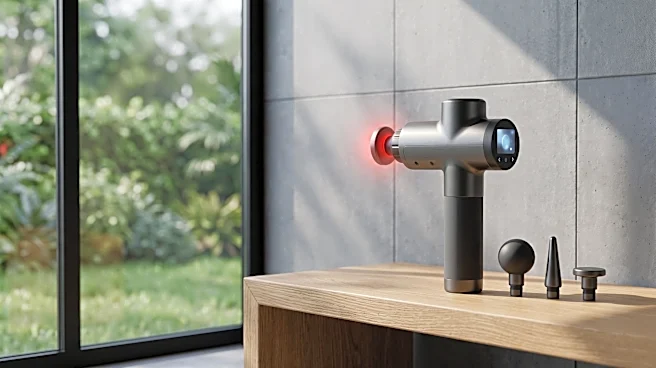
Therabody has launched its new PRO Plus Massage Gun, a professional-grade multi-therapy device designed for advanced muscle recovery. This new model integrates 16 mm percussive massage with several additional features, including heat, vibration, and near-infrared
LED light therapy. It also incorporates guided routines and biometric technology, such as a heart-rate sensor and app connectivity. The device offers five adjustable speeds for percussion, three heat levels (113°F, 122°F, and 131°F), and three vibration settings (47 Hz, 50 Hz, and 53 Hz). The PRO Plus comes with various attachments, including a Heat Therapy Attachment, Vibration Plus Attachment, and several standard massage heads like the Standard Ball, Dampener, Thumb, Wedge, and Micro-Point. It is designed for athletes, fitness professionals, and active individuals seeking comprehensive full-body treatment before, during, and after workouts. The device features an LCD screen for guided routines and force guidance, and connects via Bluetooth to the Therabody app for personalized support.
Why It's Important?
The introduction of the Therabody PRO Plus Massage Gun signifies a notable advancement in at-home muscle recovery technology, moving beyond basic percussive massage to offer a multi-faceted therapeutic approach. This integration of heat, vibration, and LED light therapy in a single device could set a new standard for personal recovery tools, potentially influencing the broader wellness and fitness industries. For consumers, it offers a more comprehensive solution for muscle tension, stiffness, and post-training soreness, which could lead to improved athletic performance and reduced recovery times. The biometric technology and app connectivity also enhance user engagement and personalization, making advanced recovery techniques more accessible. This product could particularly benefit professional athletes and fitness enthusiasts who require sophisticated tools to maintain peak physical condition, potentially reducing their reliance on professional massage therapists for routine recovery needs. The emphasis on diverse therapies in one unit also highlights a trend towards holistic self-care solutions in the U.S. market.
What's Next?
The Therabody PRO Plus is expected to be adopted by a wide range of users, from professional athletes to fitness enthusiasts, seeking to optimize their recovery routines. Its advanced features may prompt other manufacturers in the massage gun market to innovate and integrate similar multi-therapy functionalities, leading to increased competition and further technological advancements in personal wellness devices. Consumers can anticipate more sophisticated and personalized recovery solutions becoming available as companies strive to match or exceed Therabody's offerings. The device's success could also influence the development of new accessories and complementary products, such as the separately available Cold Plus Attachment, expanding the ecosystem of at-home recovery tools. Furthermore, the integration of biometric data and guided routines suggests a future where personal recovery is increasingly data-driven and tailored to individual physiological responses, potentially leading to more effective and efficient self-care practices.
Beyond the Headlines
The Therabody PRO Plus represents a broader shift in the wellness industry towards empowering individuals with professional-grade tools for self-care and recovery. By combining multiple therapeutic modalities—percussion, heat, vibration, and LED light—into a single, user-friendly device, it blurs the lines between professional clinical treatments and at-home solutions. This convergence could have significant implications for healthcare accessibility and personal health management, allowing individuals to proactively address muscle discomfort and enhance physical well-being without frequent visits to specialists. The inclusion of biometric technology and app-guided routines also underscores a growing trend towards personalized health, where technology provides tailored recommendations based on individual data. This could foster greater self-awareness regarding physical health and encourage consistent engagement in recovery practices. However, it also raises questions about the potential for over-reliance on technology and the importance of understanding when professional medical advice is still necessary, particularly for serious injuries or chronic conditions.