


What's Happening?
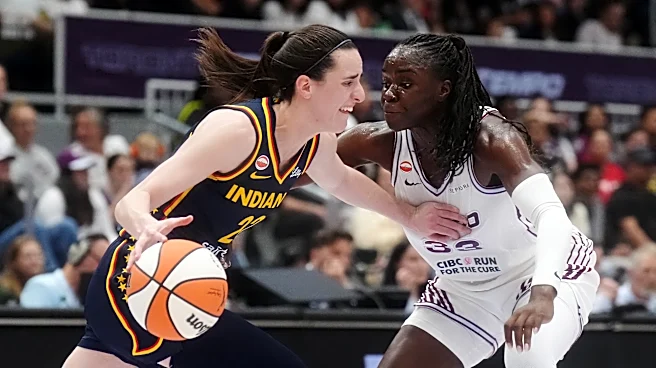
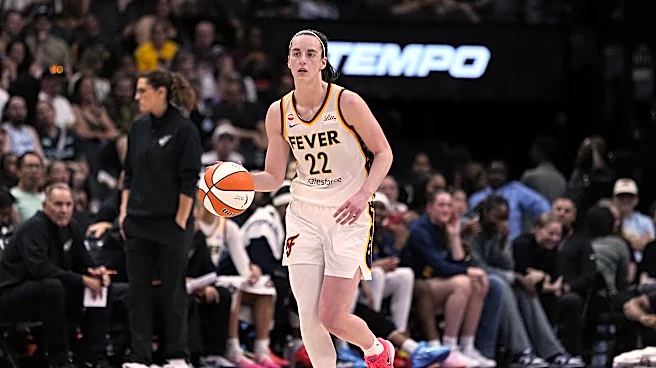
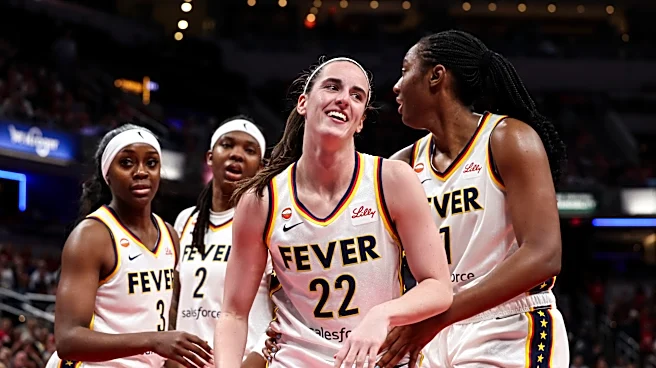
Former ESPN anchor Cari Champion has been accused of making sweeping and false accusations of racism against fans of WNBA star Caitlin Clark. Champion, in separate podcasts with Jemele Hill and Bakari Sellers, claimed that Clark is an 'avatar for people
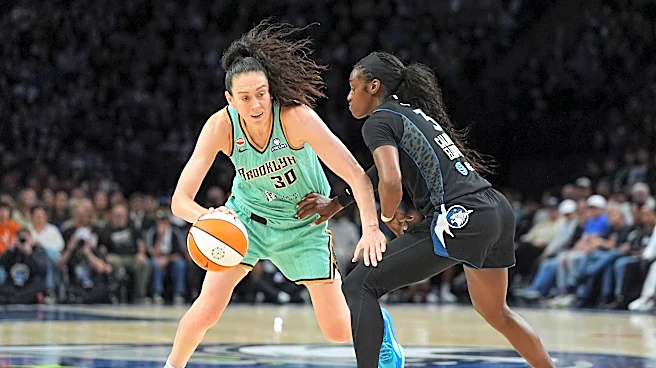
who want to spread hate' and that her fans are 'middle Americans who want to see White women do well in a sport that's traditionally Black.' She also suggested that Clark has not done enough to acknowledge Black players and that the WNBA is 'coddling' Clark and her 'MAGA' fans. The accusations have been labeled as 'ridiculous' and a 'maligning of her fan base' by critics, who argue that Clark's popularity stems from her unique playing style and record-breaking achievements, not her race or sexual orientation. The article highlights that other successful white WNBA players like Sue Bird, Diana Taurasi, Breanna Stewart, Sabrina Ionescu, and Kelsey Plum, despite being No. 1 overall picks and Wooden Award winners, did not achieve the same level of arena sell-outs as Clark.
Why It's Important?
These accusations are important because they contribute to a divisive narrative surrounding a prominent U.S. sports figure and her fanbase, potentially exacerbating racial and political tensions within the sports community and broader society. The claims, if widely accepted, could unfairly tarnish the reputation of Caitlin Clark and her supporters, diverting attention from her athletic achievements and the positive growth she has brought to women's basketball. Furthermore, the discussion touches upon the sensitive issue of race and gender in sports, particularly in a league like the WNBA, which has a predominantly Black player base. The debate over whether Clark's race and sexual orientation are factors in her popularity or the criticism she receives raises questions about how media narratives can shape public perception and potentially create divisions where none inherently exist, impacting the league's unity and public image.
What's Next?
The ongoing debate surrounding Cari Champion's comments and the broader discussion about Caitlin Clark's impact on the WNBA is likely to continue. Media personalities and sports analysts may further weigh in on the accusations, potentially leading to more polarized discussions. The WNBA and its players might face increased pressure to address these racial and social dynamics, either through official statements or individual actions. The league's efforts to expand its fanbase and maintain a positive public image could be challenged by these controversies. Fans, both new and old, may become more vocal in defending or criticizing Clark and her supporters, potentially leading to further online and offline confrontations. The situation could also prompt a deeper examination of how race, gender, and political affiliations intersect within professional sports and media coverage.
Beyond the Headlines
Beyond the immediate controversy, this situation highlights deeper societal issues concerning identity politics, media responsibility, and the weaponization of accusations. The readiness to attribute success or criticism to race and political affiliation, rather than merit or performance, reflects a broader trend of societal polarization. It also raises questions about the role of former media figures in shaping public discourse and the potential for their platforms to spread unsubstantiated claims. The incident underscores the challenge of fostering inclusive environments in sports when discussions are framed through a lens of division. The long-term implications could include a more cautious approach by athletes and leagues in navigating social commentary, and a heightened awareness among the public regarding the sources and motivations behind media narratives, particularly those involving sensitive topics like race and gender.