






What's Happening?
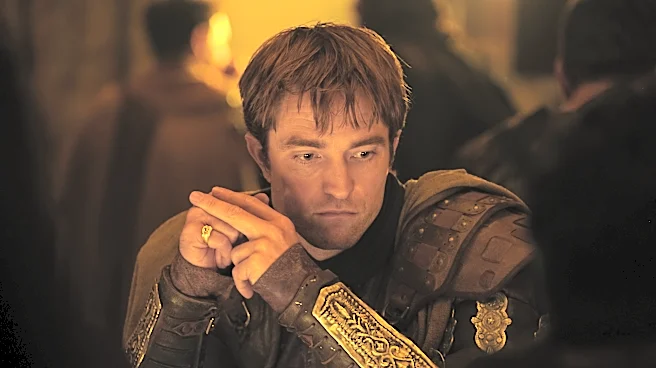
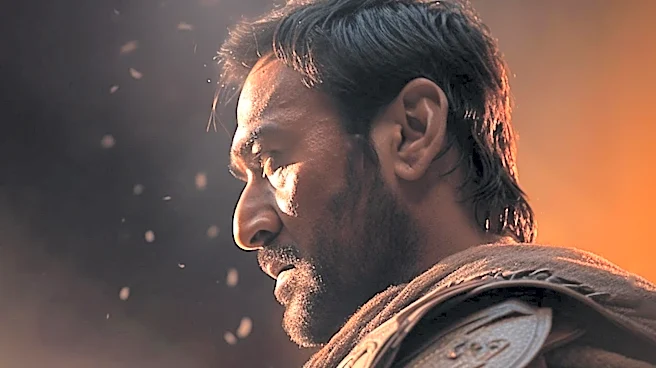
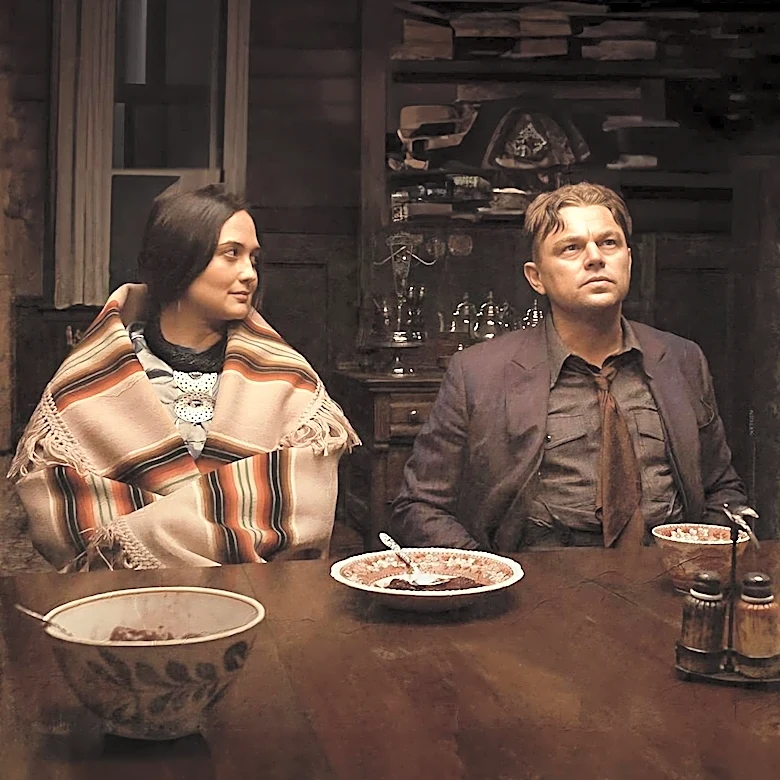
Christopher Nolan's film adaptation of 'The Odyssey' has sparked discussions about its departures from Homer's original epic. The film, which has grossed over $640 million in just 10 days, omits the presence of gods, a significant element in the original text.
Dr. Teddy Fassberg from Tel Aviv University notes that Nolan's adaptation reflects modern sensibilities, focusing on human experiences rather than divine intervention. The film also portrays Odysseus as a leader burdened by trauma and guilt, diverging from the confident hero depicted in the ancient poem.
Why It's Important?
Nolan's adaptation of 'The Odyssey' highlights the challenges and opportunities of reinterpreting classic literature for contemporary audiences. By altering key elements of the original story, the film invites viewers to reconsider the themes of leadership, responsibility, and human agency. This approach not only broadens the appeal of the story but also encourages dialogue about the relevance of ancient narratives in today's world. The film's success at the box office and its potential impact on awards season further underscore the cultural significance of adapting timeless stories for modern cinema.
What's Next?
As 'The Odyssey' continues to perform well at the box office, it is likely to influence future adaptations of classic literature. Filmmakers may explore new ways to reinterpret ancient stories, balancing fidelity to the source material with creative innovation. The film's reception may also prompt discussions about the role of mythology in contemporary storytelling and the ways in which filmmakers can engage with historical texts to address modern themes.
Beyond the Headlines
Nolan's adaptation raises questions about the nature of heroism and leadership, particularly in the context of modern challenges. By portraying Odysseus as a flawed leader, the film invites audiences to reflect on the complexities of leadership and the impact of personal experiences on decision-making. This perspective aligns with broader cultural conversations about the qualities that define effective leaders and the ways in which historical narratives can inform contemporary understandings of power and responsibility.