


What's Happening?
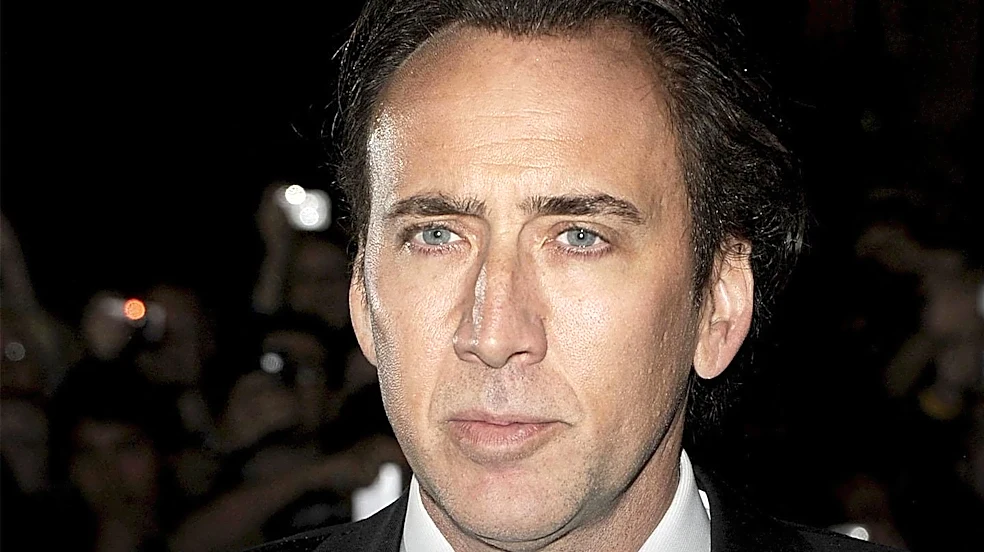
Nicolas Cage is currently filming his new movie, 'Parish,' in Minnesota, specifically near Stillwater. The film, which centers on a post-apocalyptic survivor battling zombies, is being shot on a deteriorating property near Axdahl’s Greenhouse. This marks
a significant return of high-profile Hollywood productions to the state, a trend that had slowed down since 2005 due to a decrease in tax incentives. The presence of a major star like Cage is largely attributed to Minnesota's five-year-old Film Production Tax Credit program, which offers up to a 25% tax credit for productions spending a minimum of $1 million in the state. Director Adam Sigal and producer Brianna Fischer, an Edina native, were instrumental in bringing the production to Minnesota, highlighting the state's artistic inclination and the financial incentives.
Why It's Important?
The return of major film productions, driven by tax incentives, has a significant economic impact on Minnesota. The production and its staff contribute to the local economy by spending at restaurants, hotels, and small businesses in the host communities. This influx of spending supports local jobs and generates revenue for various sectors. For the U.S. film industry, state tax credit programs like Minnesota's are crucial in attracting productions away from traditional film hubs, fostering regional film industries, and diversifying filming locations. The involvement of a prominent actor like Nicolas Cage also generates local pride and media attention, potentially encouraging more filmmakers to consider Minnesota for future projects. This demonstrates how targeted economic policies can stimulate growth in specific industries and regions.
What's Next?
The success of 'Parish' and other films utilizing Minnesota's tax credit program could lead to further expansion and enhancement of these incentives. Nell Lawrenz-Wareham, deputy director of Explore Minnesota Film, notes that there are 17 active films supported by the state film tax credit, indicating a growing trend. If these productions continue to bring economic benefits and positive exposure, there may be increased political will to maintain or even increase the tax credit, making Minnesota an even more attractive destination for filmmakers. This could lead to a sustained growth in the state's film industry, creating more long-term jobs and infrastructure for film production. The positive experiences of cast and crew, such as their appreciation for local businesses, could also serve as valuable testimonials.
Beyond the Headlines
Beyond the immediate economic benefits, the resurgence of film production in Minnesota has broader cultural and social implications. It can foster a stronger local arts community, providing opportunities for local talent and crew members to work on major productions. The presence of Hollywood figures can also inspire local aspiring filmmakers and artists. The article mentions Cage's family visits to local attractions like Paisley Park and the Renaissance Festival, which subtly promotes local tourism and cultural sites. The shift of film production away from traditional centers also decentralizes the industry, potentially leading to more diverse storytelling and regional narratives being brought to the screen. This development highlights the power of economic incentives to shape cultural landscapes and industry distribution.