



What's Happening?
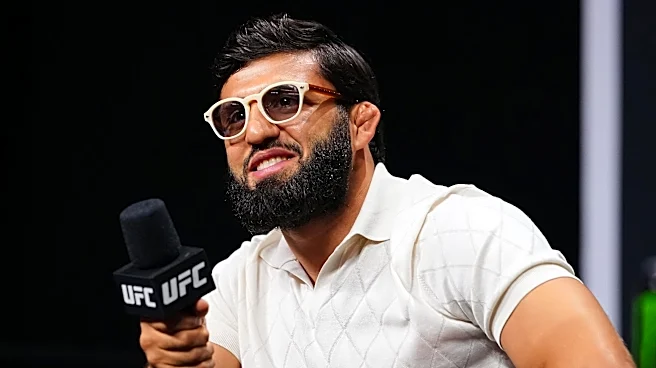
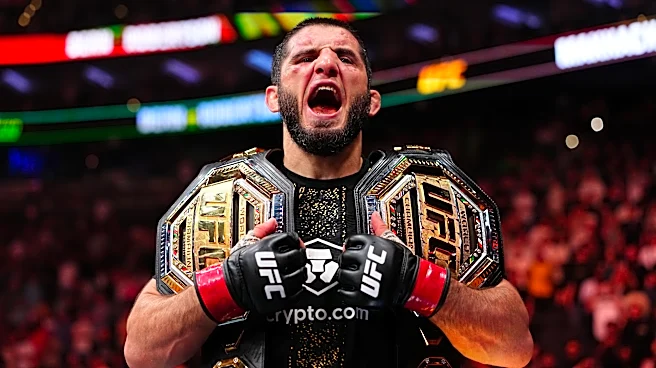
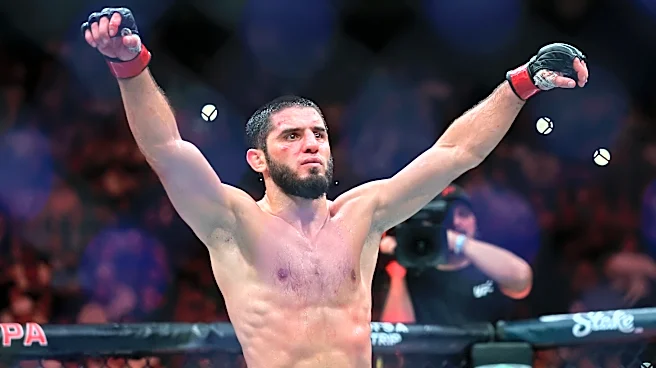
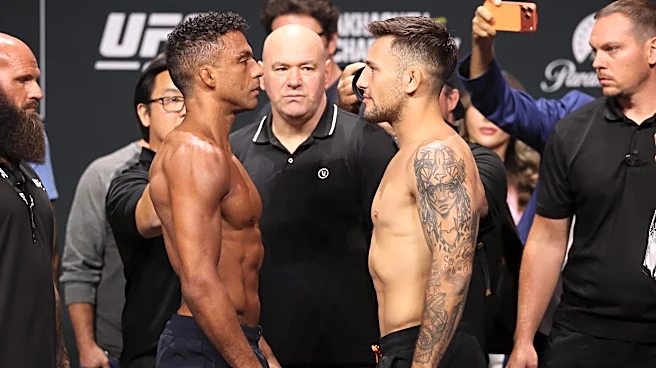
Arman Tsarukyan has accused Charles 'do Bronx' Oliveira of using the mourning period for his deceased friend and team member, Allan Nascimento, as an excuse to withdraw from their scheduled rematch at UFC 331. Oliveira had initially begun his training
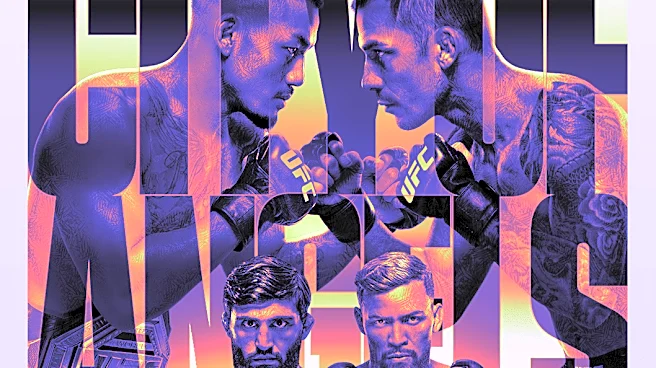
camp for the fight, but pulled out after Nascimento's sudden death on August 3rd. Tsarukyan, who will now face Maurício Ruffy instead, claimed in an interview with Ariel Helwani that Oliveira was back to training within three or four days, suggesting the mourning was a pretext. Oliveira's team, however, stated that he took over a week off to grieve and reflect, returning to training only after Nascimento's seventh-day mass. The rematch was not for a title, but for positioning at the top of the lightweight category.
Why It's Important?
This accusation by Arman Tsarukyan introduces a significant controversy into the UFC lightweight division, impacting fighter reputations and future matchups. If Tsarukyan's claims gain traction, it could tarnish Charles Oliveira's image, potentially affecting fan perception and future fight negotiations. Conversely, if Oliveira's explanation of genuine mourning is widely accepted, Tsarukyan's accusation could be seen as insensitive and opportunistic. The incident also highlights the intense psychological warfare that can occur between fighters outside the octagon, influencing public opinion and adding another layer of drama to the sport. For the UFC, it creates an unexpected narrative twist for UFC 331 and the lightweight division, potentially drawing more attention to the replacement fight with Maurício Ruffy.
What's Next?
The immediate next step is for Arman Tsarukyan to face Maurício Ruffy at UFC 331. The outcome of this fight will significantly impact Tsarukyan's standing in the lightweight division, especially as he is currently ranked second. Charles Oliveira's return to the octagon remains uncertain, but he is expected to address Tsarukyan's accusations publicly, either directly or through his team. The controversy could lead to increased scrutiny of both fighters' future statements and actions. Depending on the public and media reaction, the UFC might need to manage the narrative to maintain the integrity of its fighters and events. A potential future rematch between Oliveira and Tsarukyan, if it ever materializes, would be heavily charged with the current accusations.
Beyond the Headlines
This incident delves into the ethical considerations within professional sports, particularly regarding how personal tragedies intersect with professional obligations. It raises questions about the appropriate balance between an athlete's mental and emotional well-being and the demands of their career. The public nature of these accusations also underscores the pressure athletes face, not only to perform but also to manage their public image and personal narratives. The situation highlights the fine line between strategic psychological tactics in sports and potentially disrespectful behavior. It also brings to light the role of media and interviews in shaping these narratives, as a single statement can ignite a significant controversy and impact careers.