








What's Happening?
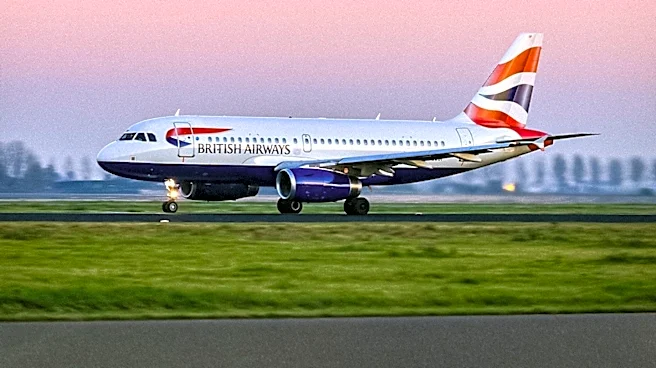
British Airways has unveiled its expanded winter 2026 schedule, introducing new direct flights to Colombo, Sri Lanka, and Melbourne, Australia, alongside increased capacity on existing long-haul and European routes. The new Colombo service, operating
three times a week from London Gatwick, commenced on October 23, 2026, marking the airline's return to Sri Lanka after a decade. This route offers economy, premium economy, and business class options. The Melbourne service, set to begin in January 2027, will operate via Kuala Lumpur and will be British Airways' second route to Australia, offering all four cabin classes. Additionally, the airline is boosting frequencies to 11 popular long-haul destinations, including Cape Town, Tokyo, and Barbados, and increasing flights to European cities known for Christmas markets and ski holidays, such as Geneva, Rome, and Florence. The expansion also includes the introduction of a retrofitted Airbus A380 into its fleet and new direct flights from London Gatwick to Rovaniemi, Finland, for the festive season.
Why It's Important?
This expansion by British Airways signifies a strategic move to capitalize on growing demand for international travel and diversify its global network. For the U.S. travel industry, while not directly impacting domestic routes, it reflects broader trends in airline strategy, including the pursuit of new leisure and business travel markets. Increased connectivity to destinations like Sri Lanka and Australia could indirectly benefit U.S. travelers by offering more diverse international travel options and potentially more competitive pricing on connecting flights. The focus on both long-haul and seasonal European destinations indicates a robust recovery and growth outlook for the global aviation sector, which often influences U.S. carriers' long-term planning and investment in new aircraft and routes. The introduction of new routes and increased capacity also suggests a positive economic outlook for the tourism sectors in the targeted regions, potentially attracting more U.S. tourists and business travelers to these areas.
What's Next?
British Airways will continue to monitor the performance of these new routes and increased frequencies, potentially leading to further adjustments or expansions in future schedules. The airline's commitment to providing greater choice across its network suggests ongoing investment in new destinations and enhanced services. The success of the Colombo and Melbourne routes, particularly in attracting both leisure and business travelers, will likely influence future long-haul strategy. For U.S. travelers, this could mean more indirect access to these regions and potentially more competitive international airfare options as global airline networks become more interconnected. The airline's collaboration with local partners, such as Hoppers restaurants for a special in-flight menu on the Colombo route, indicates a trend towards localized customer experiences, which other international carriers might emulate. The integration of new aircraft, including retrofitted A380s, will also enhance passenger experience and operational efficiency.
Beyond the Headlines
The expansion of British Airways' network, particularly into emerging markets like Sri Lanka and strengthening ties with Australia, reflects a broader geopolitical and economic shift. It highlights the increasing importance of the Indian Ocean region as a travel and trade hub. For the U.S., this expansion, while originating from the UK, underscores the interconnectedness of global economies and the role of air travel in fostering international relations and commerce. The airline's strategy to cater to diverse travel motivations—from winter sun and cultural heritage to sporting events and Christmas markets—illustrates the evolving demands of modern travelers. This diversification of offerings could inspire U.S. airlines to explore similar niche markets or enhance their own international partnerships to provide more comprehensive global travel solutions. The emphasis on sustainability and efficiency with new aircraft also aligns with global aviation trends, potentially influencing future regulatory and environmental considerations for U.S. carriers.