




What's Happening?
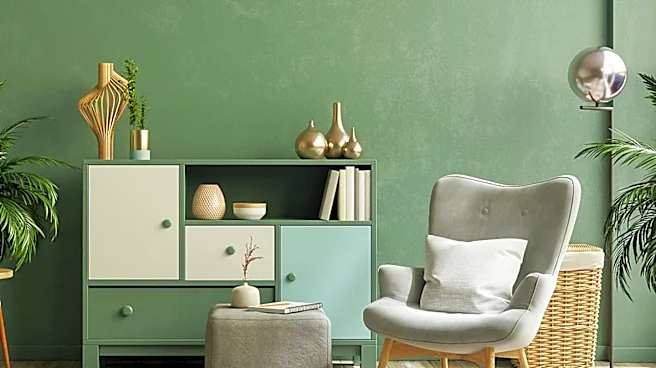
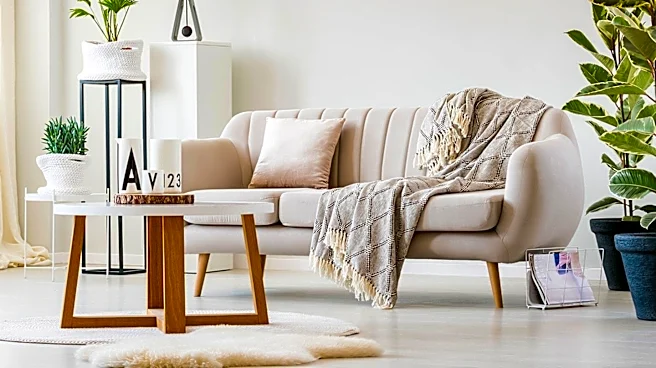
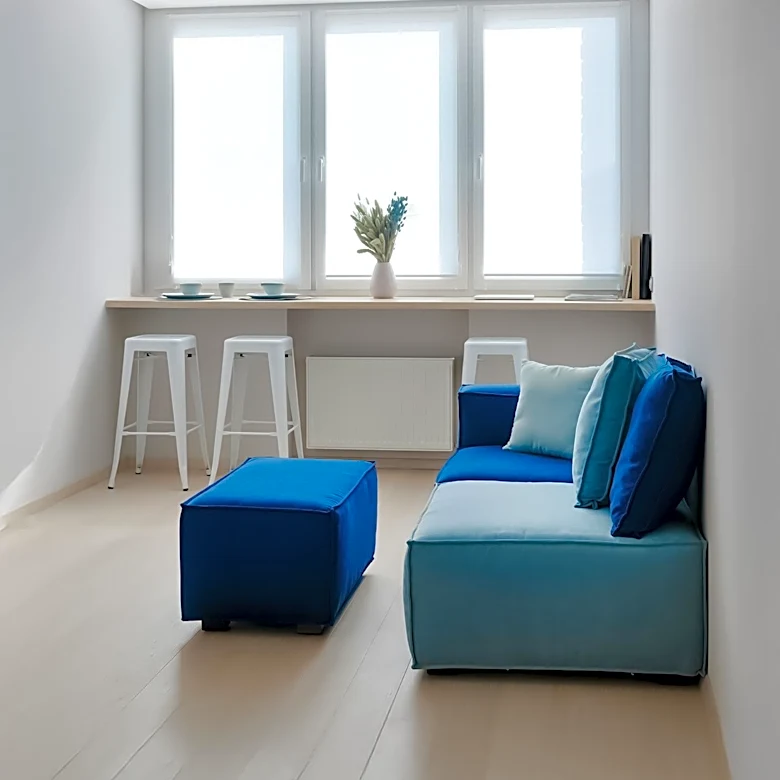
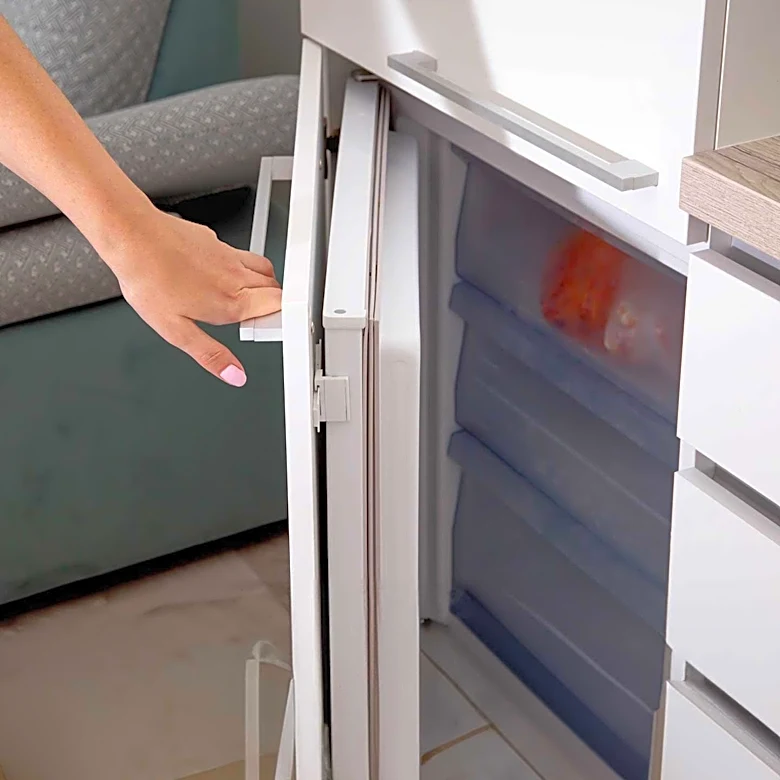
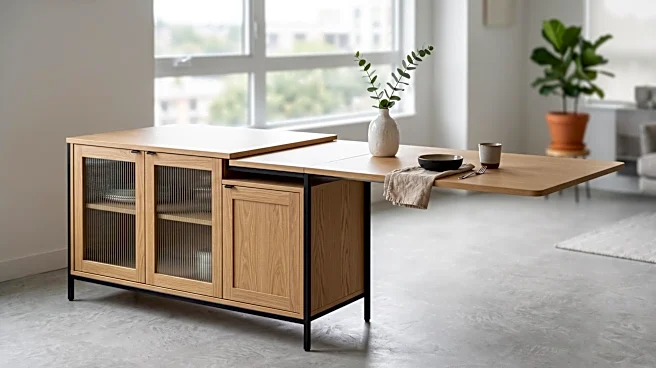
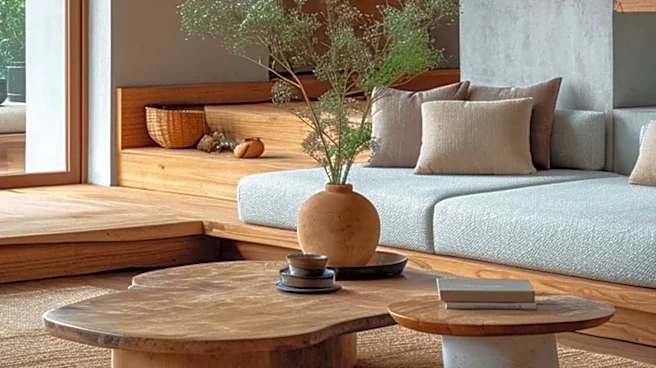
New strategies are being highlighted for decorating small living rooms on a budget, focusing on layout adjustments, hidden storage, and renter-friendly decor. The core idea is that small living rooms often suffer from 'too much, in the wrong place' rather
than a lack of size. Key recommendations include rearranging furniture to improve traffic flow, selecting one focal point, and using furniture that serves multiple purposes, such as storage ottomans or nesting tables. Vertical storage solutions like wall shelves or tall, narrow bookcases are emphasized to maximize space without cluttering the floor. Additionally, visual tricks like using light, warm neutral paint colors, large mirrors placed opposite windows, and layered lighting are suggested to make rooms appear larger and cozier. Most of these tips are designed to be affordable, with many costing under $100, and renter-friendly, avoiding the need for drilling or permanent alterations.
Why It's Important?
These budget-friendly small living room ideas are particularly important for a significant portion of the U.S. population, including renters, first-time homeowners, and those living in urban areas where space is often at a premium. By offering practical and affordable solutions, these strategies empower individuals to create more functional and aesthetically pleasing living environments without incurring substantial costs or requiring professional help. This can lead to improved quality of life and reduced stress associated with cluttered or inefficient spaces. For the retail sector, this trend could drive demand for specific types of furniture (e.g., apartment-sized sofas, storage ottomans), organizational products, and decor items that align with space-saving and multi-functional principles. It also highlights a growing consumer preference for DIY and accessible home improvement solutions.
What's Next?
As the demand for efficient small-space living solutions continues, it is likely that more manufacturers and retailers will introduce products specifically designed for compact living rooms and budget-conscious consumers. This could include modular furniture, innovative hidden storage options, and decor items that serve dual purposes. Online platforms and social media channels dedicated to home decor and DIY are expected to further popularize these ideas, offering tutorials and product recommendations. Additionally, interior design services may increasingly offer specialized packages for small-space optimization, catering to clients seeking professional guidance on implementing these strategies. The emphasis on renter-friendly options also suggests a growing market for temporary or easily removable decor solutions.
Beyond the Headlines
The focus on optimizing small living spaces reflects broader societal shifts, including urbanization, rising housing costs, and a growing interest in minimalist lifestyles. This movement encourages a more thoughtful approach to consumption, prioritizing functionality and versatility over sheer volume of possessions. Ethically, it promotes resourcefulness and sustainability by encouraging individuals to make the most of what they have rather than constantly acquiring new items or seeking larger homes. Culturally, it challenges traditional notions of spacious living as the sole indicator of comfort or luxury, demonstrating that well-designed small spaces can be equally, if not more, inviting and efficient. This trend also underscores the psychological benefits of an organized and uncluttered environment, contributing to overall well-being.