





What's Happening?
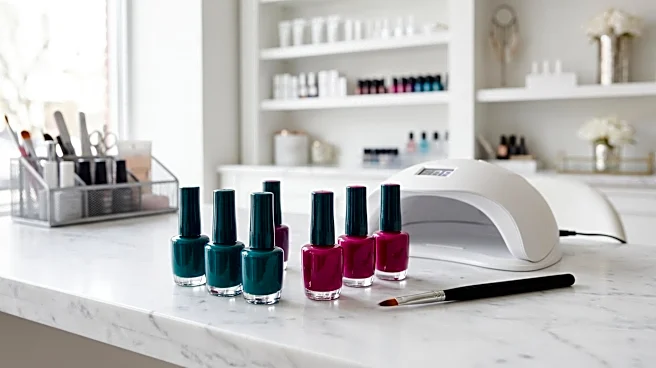
Gel nail polish lifting, a common issue where the coating separates from the natural nail, is primarily attributed to incomplete preparation, product contact with the skin, unsuitable application techniques, and problems during the curing process. According
to Next Step Beauty, a chipped corner or a whole layer peeling away does not immediately identify the cause, but observing the pattern of lifting can help. For instance, lifting near the cuticle or sidewalls often indicates issues with preparation or product touching the skin, while lifting at the tip might be due to application at the free edge or external knocks. If lifting occurs across several nails, a comprehensive review of the entire preparation, product, and curing process is recommended. The article emphasizes the importance of following the manufacturer's instructions for each product and avoiding guesswork, such as adding more primer or extending lamp time without clear guidance.
Why It's Important?
Understanding the precise causes of gel nail polish lifting is crucial for nail technicians and the beauty industry to maintain service quality and client satisfaction. Inconsistent application or improper curing can lead to premature product failure, damaging the client's nails and potentially leading to infections if the product lifts and traps moisture. For businesses, frequent lifting issues can result in client dissatisfaction, loss of repeat business, and a damaged reputation. Adhering to proper techniques and product instructions ensures the longevity and aesthetic appeal of gel manicures, which are a significant revenue stream for many salons. This knowledge also helps in preventing unnecessary product waste and reducing the time spent on re-applications or repairs, thereby improving operational efficiency and profitability within the U.S. beauty sector.
What's Next?
Nail technicians are advised to meticulously review their preparation, application, and curing procedures, strictly adhering to product manufacturer guidelines. Continuous education and training, such as the Gel Polish Course mentioned by Next Step Beauty, can help new and experienced technicians refine their skills and troubleshoot common issues effectively. Clients should also be educated on proper aftercare, including avoiding picking at nails and using protective gloves for wet work, to extend the life of their manicures. The industry may see an increased emphasis on standardized training and certification to ensure consistent quality across salons. Furthermore, manufacturers might develop more user-friendly products or clearer instructions to minimize application errors and improve overall product performance, benefiting both professionals and consumers in the U.S. market.
Beyond the Headlines
The prevalence of gel nail polish lifting highlights broader issues within the beauty industry concerning product education, professional standards, and consumer expectations. While seemingly a minor aesthetic concern, improper nail care can lead to health implications, such as nail damage or fungal infections, underscoring the need for rigorous training and adherence to best practices. The reliance on specific lamp models and curing times for different gel products also points to a lack of universal standardization, which can create confusion for technicians using various brands. This situation could prompt industry bodies to advocate for more unified guidelines or clearer product labeling to enhance safety and efficacy. Ultimately, addressing these technical challenges contributes to elevating the professional standing of nail technicians and ensuring a safer, more reliable experience for consumers.