






What's Happening?
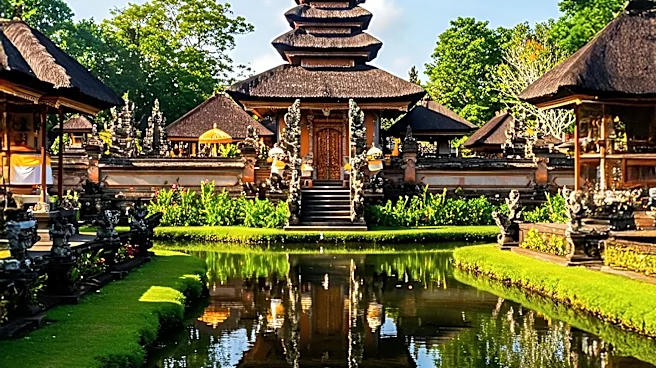
Ubud, located in Bali, Indonesia, is recognized as a significant cultural hub, providing a diverse range of outdoor activities and eco-conscious experiences. The area is celebrated for its tranquil hiking trails, ancient temples, luxurious spa services,
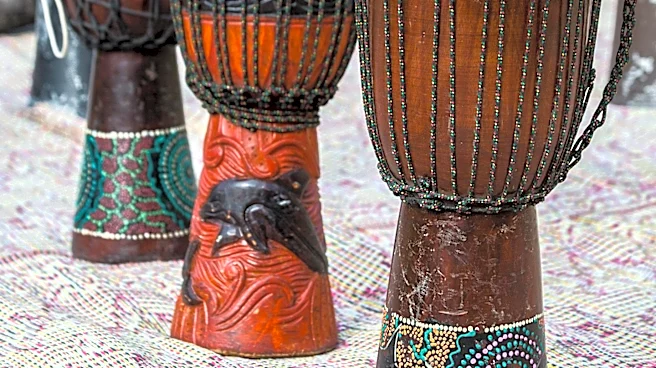
vibrant arts scene, and scenic rice terraces. Key attractions include the Monkey Forest and Ubud Market. Visitors can also engage in yoga classes and various wellness therapies. The region's cultural richness is further highlighted by traditional evening dance performances, often featuring Gamelan ensembles, which can be experienced at venues like the Ubud Palace. The subak system, an ancient cooperative irrigation network, continues to shape Bali's rice landscapes and is recognized by UNESCO as an expression of the Balinese philosophy of harmony. Daily offerings, known as canang sari, are a common sight, reflecting the island's ongoing religious practices and expressions of gratitude.
Why It's Important?
Ubud's emphasis on cultural preservation and sustainable tourism offers a model for destinations seeking to balance economic development with environmental and heritage protection. The continued practice of ancient traditions, such as the subak irrigation system and Gamelan music, underscores the importance of cultural heritage in shaping local identity and attracting tourism. The integration of eco-friendly experiences and wellness tourism caters to a growing global demand for responsible travel, potentially influencing tourism trends in other regions. The presence of significant cultural sites like the Monkey Forest and Ubud Palace, alongside natural beauty, creates a unique visitor experience that supports local economies through tourism. The requirement for international visitors to pay a tourism levy further demonstrates a commitment to funding cultural and environmental protection efforts, providing a framework for other destinations facing similar challenges.
What's Next?
As Ubud continues to attract international visitors, there will likely be ongoing efforts to manage tourism sustainably, ensuring that the influx of people does not negatively impact the delicate balance of its cultural and natural environments. The tourism levy implemented by the Bali Provincial Government is expected to continue funding initiatives aimed at preserving Balinese culture and the natural environment. Future developments may include further promotion of eco-tourism and wellness retreats, potentially expanding the range of experiences available to visitors while maintaining the region's authentic character. The focus on traditional arts, such as Gamelan performances, and the preservation of historical sites will remain central to Ubud's appeal, with potential for increased cultural exchange programs and educational tourism.
Beyond the Headlines
Ubud's success in blending tourism with deep-rooted cultural and spiritual practices highlights a broader societal shift towards experiential travel that values authenticity and local engagement. The philosophy of Tri Hita Karana, which emphasizes harmony among people, nature, and the spiritual world, provides a profound ethical framework that underpins many aspects of Balinese life and tourism. This holistic approach suggests that economic prosperity can be achieved without sacrificing cultural integrity or environmental health. The challenges of managing tourism in a way that respects local customs and natural resources are universal, and Ubud's strategies, such as the tourism levy and the preservation of traditional systems like subak, offer valuable lessons for other destinations grappling with similar issues. The interaction between visitors and local traditions, such as the daily canang sari offerings, fosters a deeper appreciation for diverse cultural practices.