







What's Happening?
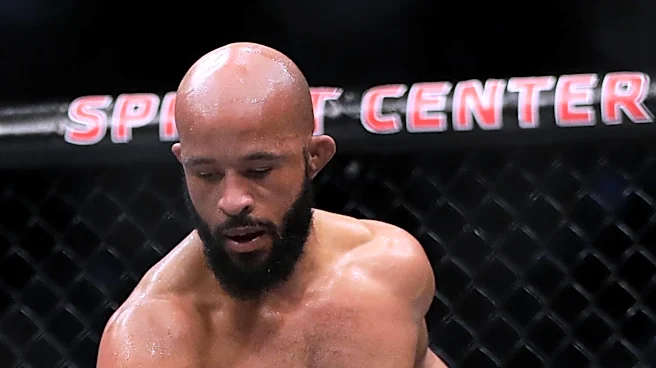
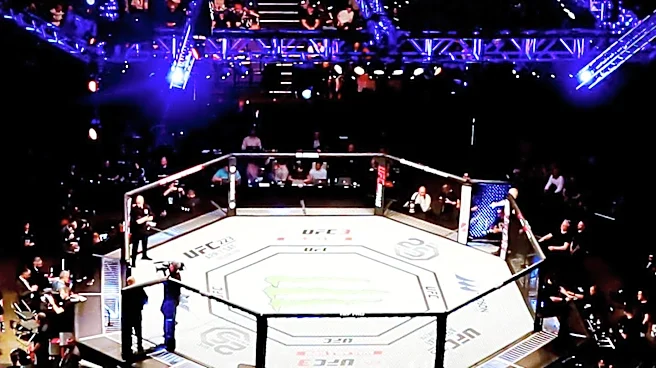
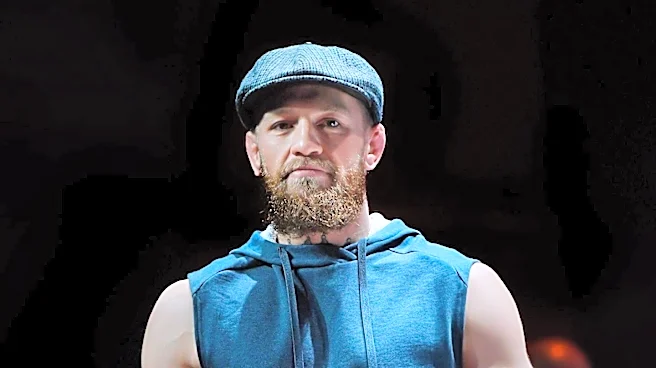
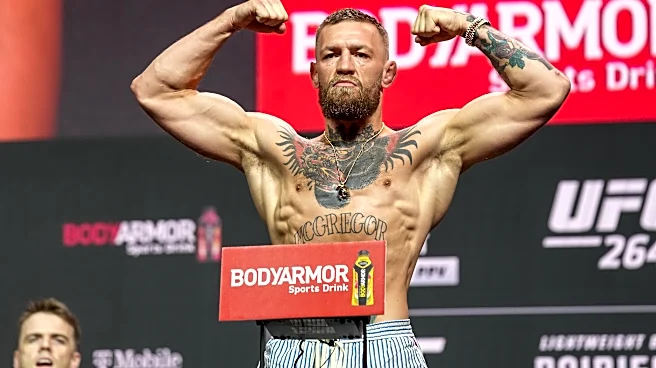
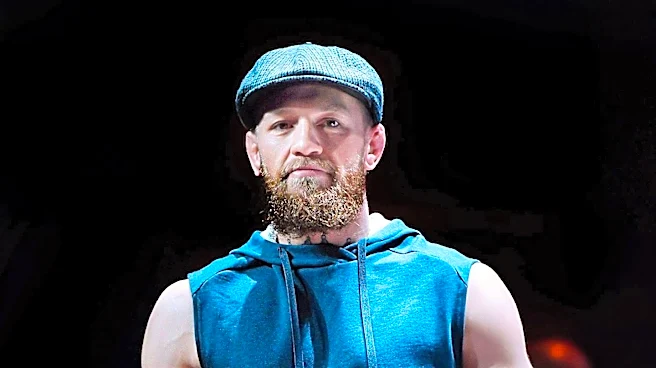
Conor McGregor, a former two-division UFC champion, made his highly anticipated return to the octagon at UFC 329 after a five-year hiatus. He faced Max Holloway in a rematch, having previously defeated Holloway in 2013. The fight, held at welterweight,
marked Holloway's first appearance in this weight class. Despite the excitement surrounding McGregor's comeback, the fight ended abruptly when McGregor suffered a leg injury just over a minute into the first round. The referee stopped the fight, awarding Holloway a TKO victory. This event was considered one of the biggest UFC fights of the year, but McGregor's injury cut it short, leaving fans and commentators stunned.
Why It's Important?
McGregor's return was significant for the UFC, as he remains one of the sport's most prominent figures. His comeback was expected to draw substantial attention and viewership, potentially boosting the UFC's profile and revenue. However, the abrupt end due to injury raises questions about McGregor's future in the sport, especially given his history of injuries. For Holloway, the victory solidifies his status as a top contender in the UFC, potentially opening up new opportunities in the welterweight division. The outcome also impacts the UFC's event planning and marketing strategies, as McGregor's fights are major draws for the organization.
What's Next?
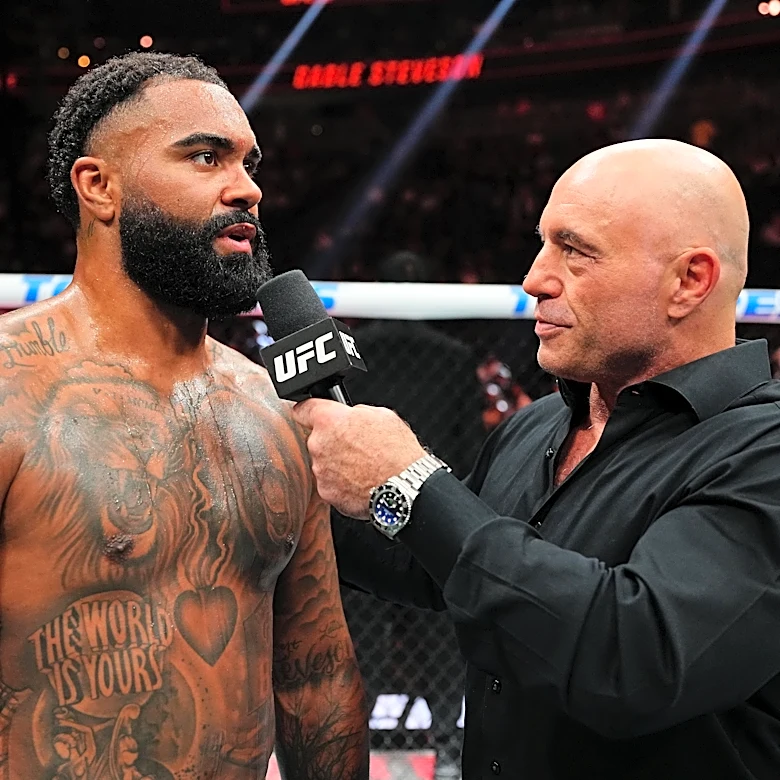
Following the fight, there is speculation about McGregor's next steps. His injury may require a significant recovery period, delaying any potential rematches or future fights. Holloway expressed respect for McGregor and indicated a willingness to fight him again once he is healthy. The UFC will likely need to reassess its plans for McGregor, considering his marketability and the impact of his absence on future events. Fans and analysts will be watching closely to see how McGregor's career progresses and whether he can return to form after this latest setback.