






What's Happening?
The hygge lifestyle, a Danish concept, is gaining traction for its emphasis on cozy well-being and creating a warm, intimate atmosphere. This approach to daily living focuses on feelings of comfort and pleasantness. Practicing hygge involves incorporating
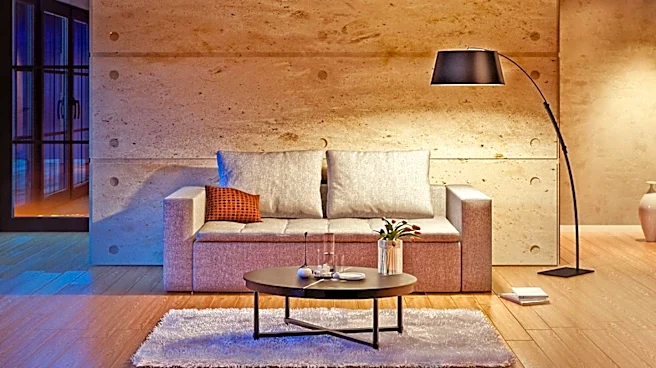
elements such as soft lighting, like candles and small lamps, instead of harsh overhead lights. It also encourages enjoying warm drinks, using blankets, and spending leisurely evenings with loved ones. The core idea is to cultivate a state of mind that feels comforting, pleasant, and friendly, particularly during colder months or when seeking to enhance everyday life. This lifestyle promotes slowing down and taking time for oneself, transforming ordinary moments into opportunities for warmth and contentment.
Why It's Important?
The growing interest in the hygge lifestyle reflects a broader societal trend towards prioritizing mental well-being and comfort in an increasingly fast-paced world. For individuals, adopting hygge practices can lead to reduced stress, improved mood, and a greater sense of contentment, especially during periods like winter when shorter days and less sunlight can negatively impact energy and mood. From a business perspective, this trend creates opportunities for industries related to home goods, comfort products, and hospitality. Companies offering items like candles, blankets, warm beverages, and cozy home decor can cater to consumers seeking to implement hygge in their lives. The emphasis on creating a pleasant atmosphere also influences interior design and event planning, highlighting the value of comfort and intimacy in various settings.
What's Next?
As the hygge concept continues to spread, it is likely to influence consumer product development and marketing strategies. Businesses may increasingly brand their offerings around themes of comfort, warmth, and well-being to appeal to this lifestyle trend. We can expect to see more products designed to enhance a cozy home environment, such as specialized lighting, comfort food and drink items, and home decor that promotes relaxation. The hospitality sector might also integrate hygge principles into their offerings, creating more intimate and comforting spaces for guests. Furthermore, the concept could inspire more community-focused events and gatherings that prioritize shared comfort and pleasant experiences, fostering stronger social connections and a sense of collective well-being.
Beyond the Headlines
The embrace of the hygge lifestyle points to a deeper cultural shift towards valuing subjective well-being and the quality of everyday experiences over material accumulation or constant productivity. It challenges the notion that happiness is solely derived from external achievements, instead highlighting the importance of internal states and the immediate environment. This philosophical underpinning suggests a re-evaluation of what constitutes a 'good life,' moving towards simplicity, mindfulness, and genuine connection. Ethically, it encourages a more sustainable approach to living by valuing existing comforts and relationships rather than constantly seeking new external stimuli. Culturally, it promotes a slower pace of life and a greater appreciation for the small, often overlooked, moments of joy and peace, potentially leading to a more balanced and less consumer-driven society.