






What's Happening?
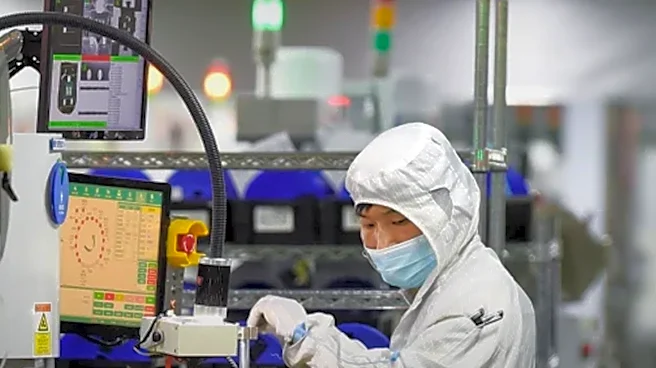
The United States is significantly investing in its domestic semiconductor manufacturing capabilities, driven by the CHIPS and Science Act. Major semiconductor companies, including TSMC, Intel, Samsung, Micron, and GlobalFoundries, have announced substantial
U.S. manufacturing and technology investments. TSMC's expansion in Arizona is particularly notable due to its role as a leading advanced-chip manufacturer. This initiative aims to increase the domestic production of strategically important chips. However, the U.S. is not pursuing complete semiconductor independence, recognizing the deeply interconnected global nature of the chip industry. The strategy focuses on building sufficient domestic capacity for critical technologies while maintaining strong international partnerships with key semiconductor economies like Taiwan, South Korea, and Europe. The global demand for advanced processors, fueled by artificial intelligence, is adding pressure to the semiconductor supply chain, making the goal of increased domestic capacity a long-term industrial strategy rather than a quick fix.
Why It's Important?
This push for domestic semiconductor manufacturing is crucial for U.S. national security and economic resilience. The COVID-19 pandemic exposed vulnerabilities in the global chip supply chain, highlighting the risks of over-reliance on overseas production. By increasing domestic capacity, the U.S. aims to mitigate these risks, especially during geopolitical conflicts or trade disruptions. The investments are not just about building factories but also strengthening advanced packaging, materials, research and development, and workforce training, creating a more robust domestic semiconductor ecosystem. This shift could reduce the U.S.'s vulnerability to external shocks and ensure a more stable supply of essential components for various industries, from defense to consumer electronics and AI infrastructure. However, the balancing act between domestic production and global integration is critical, as complete isolation could lead to increased costs and inefficiencies.
What's Next?
The coming years will be pivotal for the CHIPS Act as announced investments transition into operational factories. The U.S. will need to develop a larger, specialized semiconductor workforce and expand supporting industries like advanced packaging and materials. Washington will also have to navigate trade restrictions and geopolitical tensions carefully to avoid disrupting the global semiconductor ecosystem. The Department of Commerce's recent announcement of additional CHIPS Act incentives for research and development, including advanced packaging and memory technologies, indicates a broader strategic focus beyond just fabrication plants. The long-term goal is to achieve resilience in the semiconductor supply chain, ensuring national security while fostering reliable international relationships, as the industry continues to face accelerating demand from AI and evolving geopolitical landscapes.
Beyond the Headlines
The U.S. semiconductor strategy reflects a broader shift in industrial policy, moving towards strategic self-sufficiency in critical technologies while acknowledging the realities of global interdependence. This approach highlights the complex interplay between economic efficiency, national security, and international relations. The emphasis on building a comprehensive ecosystem, from research to manufacturing and workforce development, signifies a long-term commitment to re-establishing U.S. leadership in a foundational industry. The challenge lies in fostering innovation and competitiveness domestically without alienating crucial international partners or creating unnecessary trade barriers. This delicate balance will shape not only the future of the U.S. technology sector but also its geopolitical standing in an increasingly technology-driven world, where semiconductor dominance is a key determinant of power.