

What's Happening?
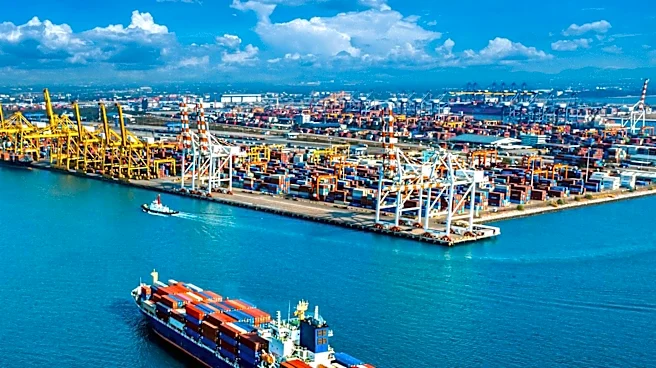
Michael Hacking, founder of Geneva-based Mocoh SA, has built a significant fuel trading empire across Africa since 1998, operating in over 20 countries. Mocoh, now part of the family-owned MISA Group, has historically supplied gasoline, diesel, and crude
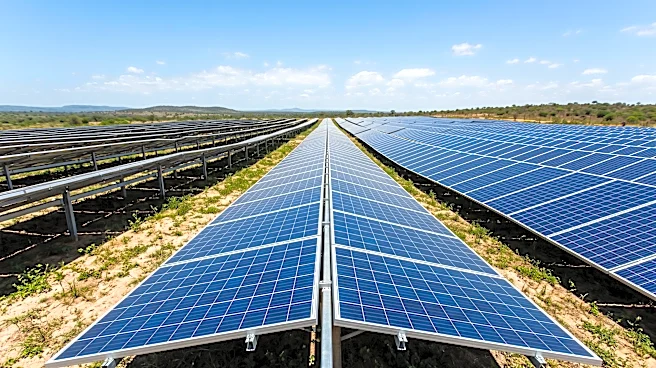
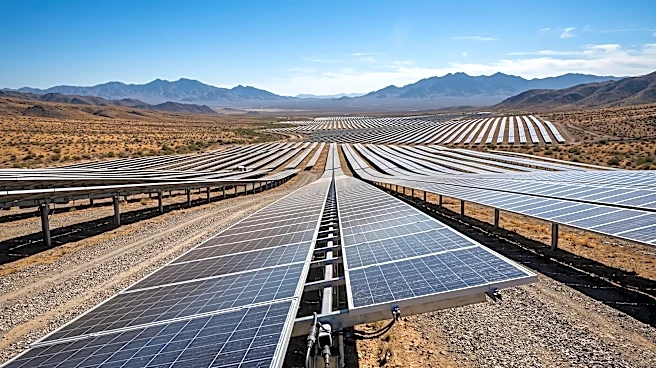
oil to markets including Nigeria, Ghana, and Senegal. A major shift occurred with the 2024 launch of Aliko Dangote's refinery in Nigeria, which significantly reduced Nigeria's gasoline imports and Mocoh's trade with NNPC. In response, Mocoh has adapted by handling Dangote fuel exports to neighboring countries like Cameroon, Burkina Faso, and Benin. The company is also diversifying into new areas, including biofuels trading and collecting used cooking oil for biofuel feedstock in Nigeria. Furthermore, the MISA Group, under Guy Hacking, is investing in renewable energy projects, such as a $300 million utility-scale wind farm in Zimbabwe, and has established the AWE for Nature Foundation for conservation efforts.
Why It's Important?
Mocoh SA's evolution under Michael Hacking and the MISA Group is highly significant for the African energy sector and broader economic development. The company's ability to adapt to the disruption caused by the Dangote refinery demonstrates resilience and strategic flexibility in a volatile market. By shifting from importing to facilitating exports of refined products, Mocoh is playing a crucial role in the new regional energy landscape. The diversification into biofuels and renewable energy, particularly the Zimbabwe wind farm project, signals a broader trend among traditional fossil fuel companies to embrace sustainable energy solutions. This move is critical for Africa's energy transition, addressing both energy security and climate change concerns. The investment in renewable infrastructure can stimulate economic growth, create jobs, and reduce reliance on imported energy. Moreover, the establishment of the AWE for Nature Foundation highlights a growing corporate commitment to environmental conservation, which can have long-term positive impacts on biodiversity and local communities across the continent.
What's Next?
Mocoh and the MISA Group are poised for continued strategic evolution in the African energy market. The company's focus on facilitating Dangote fuel exports will likely expand as the refinery ramps up production and seeks wider distribution channels across West Africa. Further investments in biofuels and feedstock collection in Nigeria are anticipated, aligning with global trends towards sustainable energy. The MISA Group's renewable energy initiatives, such as the Guruve-Mazowe hybrid plant in Zimbabwe, are expected to progress towards financial close by mid-2027, with power generation projected to begin in 2029. This project could serve as a blueprint for similar ventures across Africa, attracting more investment into the continent's renewable sector. The AWE for Nature Foundation will continue its conservation efforts, potentially expanding its pilot project in Zimbabwe's Zambezi Valley and exploring new funding mechanisms like biodiversity credits. The leadership transition to Guy Hacking and Olivier Lassagne suggests a continued emphasis on growth and diversification, with a strong commitment to African markets and sustainable practices.
Beyond the Headlines
The transformation of Mocoh SA and the MISA Group reflects a profound shift in the global energy paradigm, particularly within emerging markets like Africa. The rise of local refining capacity, exemplified by the Dangote refinery, challenges the traditional business models of international traders, forcing them to innovate or risk obsolescence. Mocoh's pivot towards facilitating local exports and investing in renewables illustrates a pragmatic approach to navigating these changes. This strategic adaptation has broader implications for energy independence and regional trade dynamics in Africa, potentially reducing reliance on external markets and fostering intra-African commerce. The group's commitment to both biofuels and large-scale renewable projects underscores a dual strategy: addressing immediate energy needs while investing in long-term sustainable solutions. This blend of traditional trading and green energy development highlights the complex and often contradictory pressures faced by energy companies in the 21st century, balancing profitability with environmental responsibility and local economic development.