






What's Happening?
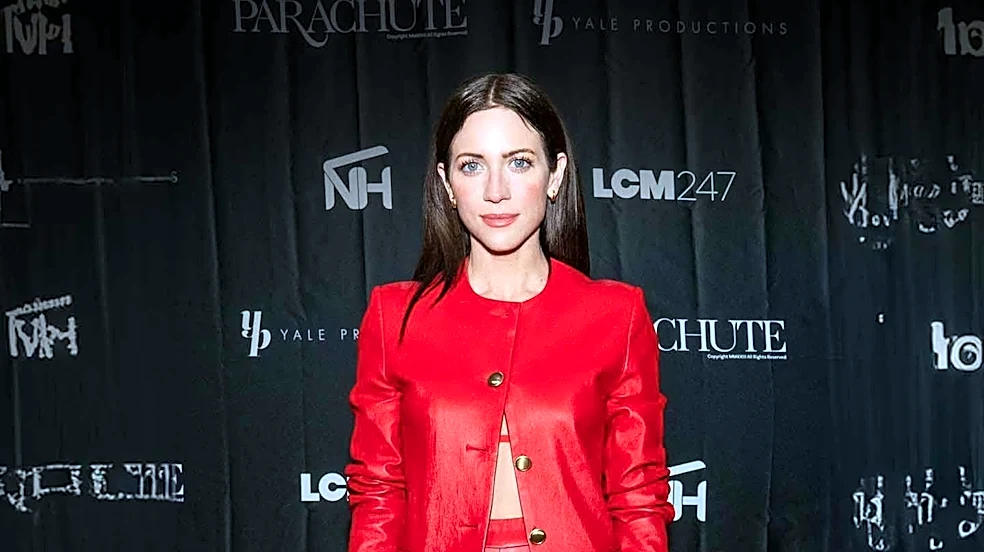
Actress Sarah Pidgeon is currently featured in an advertising campaign for the luxury fashion brand Balenciaga. The campaign depicts Pidgeon engaging in everyday activities in New York City while carrying Balenciaga archive bags. This approach is part
of a broader trend in the luxury fashion industry, where major fashion houses are shifting their communication strategies. Instead of focusing on viral marketing and fleeting social media trends, brands are returning to their heritage and emphasizing the authenticity of their products. This involves creating authentic stories rooted in the brand's stylistic history and strengthening connections with key customers. The campaign with Pidgeon reflects a move towards simpler advertising language, replacing extravagant sets with familiar, everyday actions to highlight the brand's products in a more relatable context.
Why It's Important?
This shift in advertising strategy by Balenciaga, featuring Sarah Pidgeon, signifies a notable change in how luxury fashion brands are engaging with consumers in the U.S. market and globally. By moving away from flashy, short-lived tactics and towards authenticity and heritage, brands aim to build deeper, more lasting connections with their clientele. This could lead to a more discerning consumer base that values brand history and product quality over transient trends. For actors like Pidgeon, being featured in such campaigns offers significant visibility and endorsement within the fashion and entertainment industries. The emphasis on authenticity also serves as a counter-measure to the visual homogenization often associated with artificial intelligence, allowing brands to tell their unique stories more effectively. This strategic pivot could influence how other industries, particularly those in luxury goods, approach their marketing and brand positioning in an increasingly digital and AI-driven landscape.
What's Next?
The success of Balenciaga's campaign featuring Sarah Pidgeon and its focus on authenticity may encourage other luxury brands to adopt similar strategies. This could lead to a broader trend of fashion houses collaborating with public figures in more understated, lifestyle-oriented campaigns that highlight the practical integration of luxury items into daily life. We might see an increased investment in storytelling and historical narratives within advertising, moving away from purely aspirational or abstract imagery. This shift could also influence the types of celebrities and influencers chosen for campaigns, favoring those who embody a sense of genuine connection and relatability rather than just widespread popularity. The industry will likely monitor consumer response to these authentic campaigns to determine their long-term effectiveness in driving sales and brand loyalty.
Beyond the Headlines
The move towards authenticity in luxury fashion advertising, exemplified by Balenciaga's campaign with Sarah Pidgeon, reflects a deeper cultural shift in consumer values. In an era saturated with digital content and often perceived artificiality, there's a growing demand for genuine experiences and products with a tangible history. This trend extends beyond fashion, influencing how consumers perceive and interact with brands across various sectors. Ethically, this approach could foster more sustainable consumption patterns by encouraging investment in timeless pieces rather than fast fashion. Legally, brands might face increased scrutiny to ensure their claims of authenticity and heritage are verifiable. Culturally, it signifies a potential return to valuing craftsmanship and legacy, challenging the dominance of fleeting trends and mass-produced aesthetics. This could lead to a re-evaluation of what constitutes 'luxury' in the modern consumer landscape.