




What's Happening?
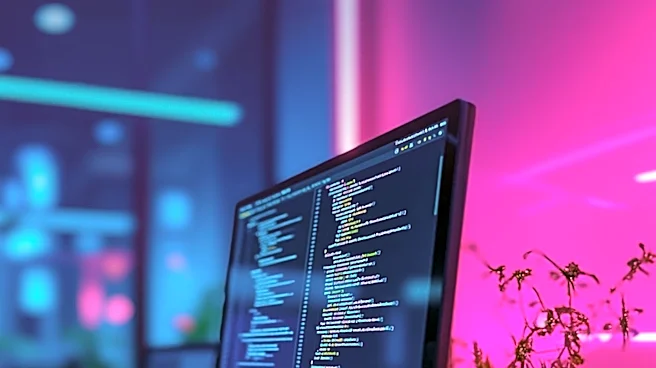
Replit, Inc. has released version 2.173.0 of its 'Replit: Vibe Code Apps' for Android, bringing AI-assisted development tools to mobile devices. This update allows users to create and manage software projects, including websites and applications, directly
from their smartphones. The platform leverages an AI assistant, Replit Agent, which can generate code, establish project structures, debug errors, and implement changes based on natural language instructions. This version, released in February 2026, primarily focuses on general improvements, bug fixes, and overall performance enhancements, rather than introducing new features. Replit aims to make coding more accessible for beginners and convenient for experienced developers by integrating AI assistance, coding tools, project management, and online hosting within a single mobile environment. Users can describe their project ideas in everyday language, and the AI helps in building, testing, and refining the project, supporting various project types from web applications to interactive tools.
Why It's Important?
This development is significant for the U.S. technology landscape as it democratizes software development, making it more accessible to a broader audience, including those without traditional desktop setups or extensive coding knowledge. By enabling mobile-first development with AI assistance, Replit can foster innovation and entrepreneurship, allowing individuals to rapidly prototype and deploy ideas from anywhere. This could lead to an increase in the number of independent developers and small businesses creating digital products, potentially diversifying the app market. For existing developers, it offers enhanced flexibility and productivity, enabling them to work on projects remotely or during commutes. The integration of AI in code generation and debugging also reduces the barrier to entry for aspiring programmers, potentially addressing the demand for tech talent by simplifying complex development processes and accelerating learning curves.
What's Next?
Future developments for Replit will likely involve further enhancements to its AI capabilities, potentially offering more sophisticated code generation, advanced debugging, and deeper integration with various programming languages and frameworks. The platform may also expand its collaboration features, allowing for more seamless team-based development directly from mobile devices. As AI technology evolves, Replit could introduce more predictive coding features and automated deployment pipelines, further streamlining the development workflow. There is also potential for Replit to integrate with other enterprise tools and cloud services, expanding its utility for larger organizations. Users can expect continuous updates that improve stability, performance, and user experience, ensuring the platform remains competitive in the rapidly evolving mobile development space.
Beyond the Headlines
The rise of AI-powered mobile development platforms like Replit signals a broader shift in how software is created and by whom. This trend could challenge traditional software development models, potentially reducing the reliance on large, specialized development teams for certain types of projects. Ethically, the increasing automation of code generation raises questions about intellectual property ownership and the potential for AI-generated code to introduce biases or vulnerabilities if not properly reviewed. Legally, the terms of service for AI-assisted code generation platforms will become increasingly important, particularly regarding the ownership and licensing of the generated code. Culturally, this accessibility could lead to a more diverse developer community, bringing new perspectives and ideas to the tech industry. In the long term, such platforms could fundamentally alter educational approaches to computer science, emphasizing problem-solving and AI interaction over rote coding memorization.