







What's Happening?
Amid increasing financial pressures from rising groceries, rent, and everyday expenses, many individuals are seeking ways to plan vacations without incurring significant debt. The Good Men Project highlights that budget travel is achievable through strategic
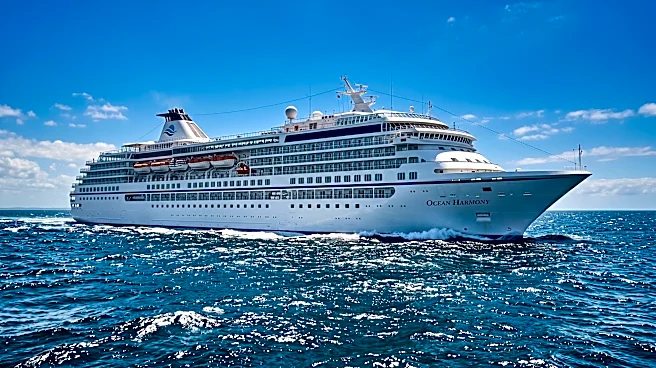
planning and flexibility. Key recommendations include determining a realistic budget before selecting a destination, rather than the other way around. Travelers are advised to be flexible with travel dates, opting for midweek flights or shoulder seasons when prices are typically lower. Comparing vacation packages, such as cruises that often bundle accommodation, meals, and entertainment, against self-booked flights and hotels can also lead to savings. Additionally, packing essentials like sunscreen, toiletries, and reusable water bottles helps avoid inflated tourist prices, and packing light can circumvent checked baggage fees. The article emphasizes that a relaxing break doesn't require an extravagant budget, suggesting that even short, affordable trips to nearby towns or national parks can be equally rewarding.
Why It's Important?
The emphasis on budget-friendly travel strategies is crucial for U.S. consumers facing persistent inflationary pressures and a desire for leisure. By providing actionable advice, this guidance helps individuals maintain their well-being through vacations without compromising their financial stability. The shift towards more economical travel options could influence the tourism industry, potentially increasing demand for off-peak travel, domestic destinations, and all-inclusive packages. This trend might also encourage service providers to offer more flexible and cost-effective options to attract budget-conscious travelers. For individuals, the ability to take a break without financial stress can lead to improved mental health and productivity, underscoring the broader societal benefit of accessible travel. The advice to prioritize experiences over social media impressions also subtly challenges consumer culture, promoting more mindful spending.
What's Next?
As economic uncertainties persist, the demand for budget travel solutions is likely to grow. Travel companies and hospitality providers may increasingly adapt their offerings to cater to this segment, introducing more flexible booking options, bundled deals, and promotions for off-peak seasons. Consumers are expected to continue seeking out and adopting these cost-saving measures, potentially leading to a sustained trend of domestic tourism and shorter, more frequent getaways. Educational resources and platforms focusing on smart travel planning will likely see increased engagement as individuals actively look for ways to manage their travel expenses effectively. The focus on practical packing and avoiding unnecessary purchases could also influence retail trends in travel-related goods.
Beyond the Headlines
The rise of budget travel as a prominent trend reflects a deeper societal recalibration of values, where experiences are increasingly prioritized over extravagant displays of wealth. This shift could foster a more inclusive travel culture, making vacations accessible to a broader demographic and reducing the pressure to conform to aspirational, high-cost travel norms often perpetuated by social media. Environmentally, encouraging shorter trips and domestic travel might inadvertently reduce carbon footprints associated with long-haul flights. Legally and ethically, the emphasis on transparent pricing and avoiding hidden fees could push the travel industry towards greater accountability and consumer protection. Ultimately, this trend suggests a move towards more sustainable and mindful consumption in the leisure sector.