




What's Happening?
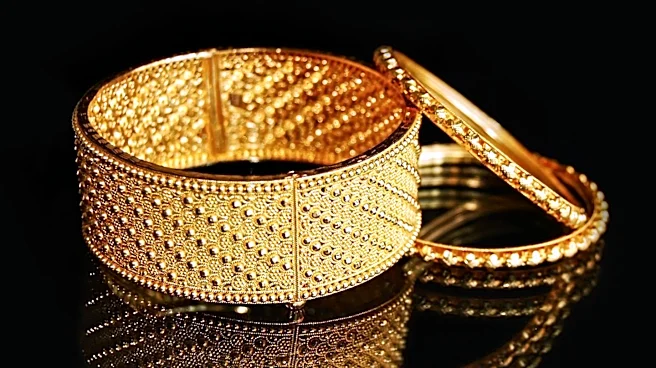
Rings by NK, a brand founded by Nathan King, specializes in handmade gold jewelry that integrates architectural design elements and ancient granulation techniques. King's approach to jewelry design goes beyond simply placing a gemstone on a band; he focuses
on creating structural settings with intricate details like rails, openings, chambers, and an 'Oculus' beneath the stone. This Oculus serves both a functional purpose, allowing light and access to the gemstone, and an aesthetic one, making the setting appear architectural. The brand's pieces are constructed from individual gold components, with elements formed, fitted, and assembled by hand. Engravings are done manually, and granules are individually made, positioned, and fused, emphasizing precision and a resolved, refined, and exact finish. This meticulous handcrafting, combined with the use of ancient techniques like granulation, gives the jewelry an 'old-world' feel, often drawing comparisons to fantasy settings like 'Game of Thrones' or 'Lord of the Rings,' despite not being intentionally designed as such.
Why It's Important?
The work of Rings by NK highlights a significant trend in luxury craftsmanship: the return to traditional, labor-intensive techniques and architectural design principles in contemporary jewelry. In an era often dominated by mass production and fleeting trends, King's emphasis on handmade construction and historical methods offers a counter-narrative, valuing permanence, meaning, and the story embedded within an object. This approach resonates with consumers seeking unique, high-quality items that transcend mere expense to become heirlooms. The integration of architectural elements provides a distinct aesthetic that appeals to those who appreciate structural integrity and thoughtful design in their personal adornments. Furthermore, the use of granulation, a technique dating back thousands of years, connects modern wearers to a rich history of goldsmithing, fostering a sense of continuity and heritage in a rapidly changing world. This focus on enduring value and historical connection can influence broader consumer preferences in the luxury market, encouraging a shift towards more meaningful and sustainably crafted goods.
What's Next?
The continued success of brands like Rings by NK could inspire a broader resurgence of artisanal craftsmanship and the adoption of historical techniques across various luxury sectors. As consumers increasingly prioritize authenticity and unique narratives, more designers may explore integrating traditional methods and architectural influences into their creations. This could lead to a diversification of offerings in the jewelry market, moving beyond conventional designs to embrace more sculptural and historically informed pieces. For Rings by NK, further exploration of different ancient techniques or collaborations with architects could expand its design language and market reach. The brand's philosophy of creating 'heirlooms' suggests a long-term vision focused on enduring quality and personal significance, which could foster a loyal customer base and solidify its position as a purveyor of meaningful, handcrafted luxury.
Beyond the Headlines
The philosophy behind Rings by NK, encapsulated in the idea 'You Are Part of a Longer Story,' delves into the deeper cultural and psychological significance of objects. By creating pieces designed to be heirlooms, the brand taps into a fundamental human desire for connection to the past and future, and for objects that carry personal and collective meaning. This perspective challenges the disposable nature of much modern consumption, advocating for items that accrue value not just monetarily, but emotionally and historically. The architectural and ancient influences in the jewelry also speak to a universal appreciation for structure, form, and the enduring legacy of human ingenuity. This approach suggests that true luxury lies not just in material value, but in the narrative, craftsmanship, and timelessness of an item, fostering a more profound relationship between individuals and their possessions. It encourages a re-evaluation of what constitutes 'value' in consumer goods, shifting focus from transient trends to lasting heritage.